Industrial Vacuum Brazing Furnace: Advanced Metal Joining Solutions for Precision Manufacturing

All Categories

Get a Free Quote

Our representative will contact you soon.
Email
Name
Company Name
Message
0/1000

industrial vacuum brazing furnace

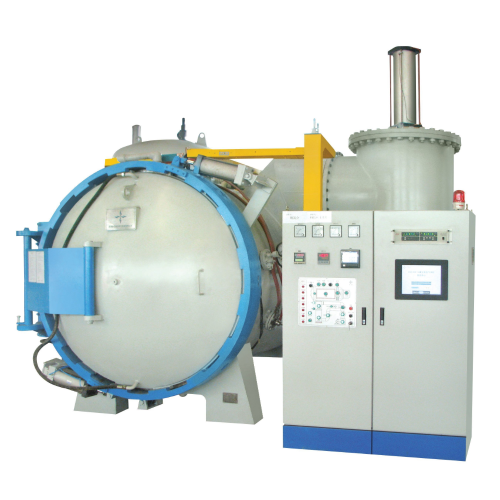
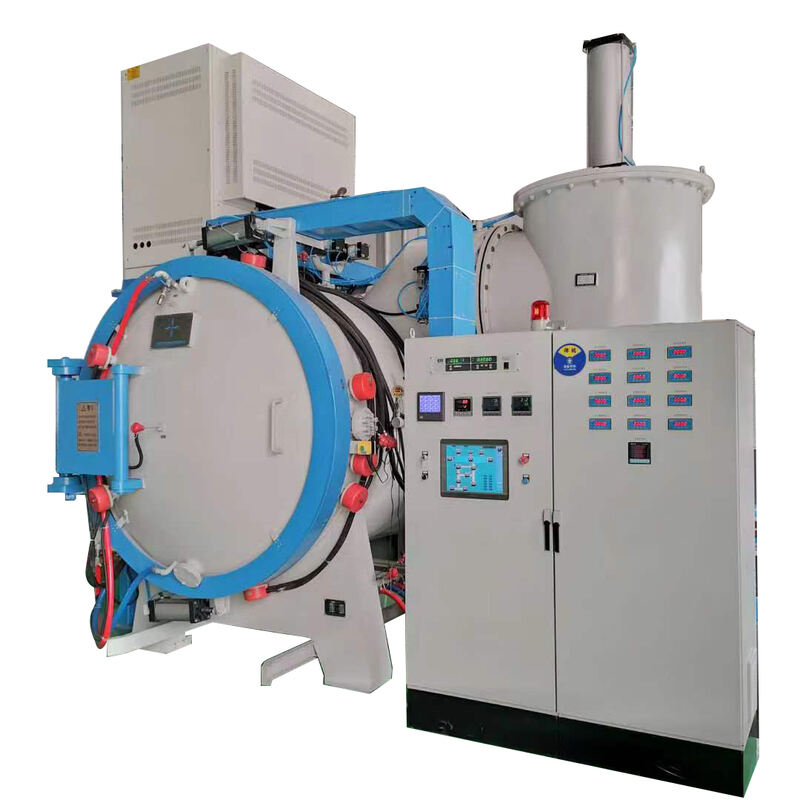
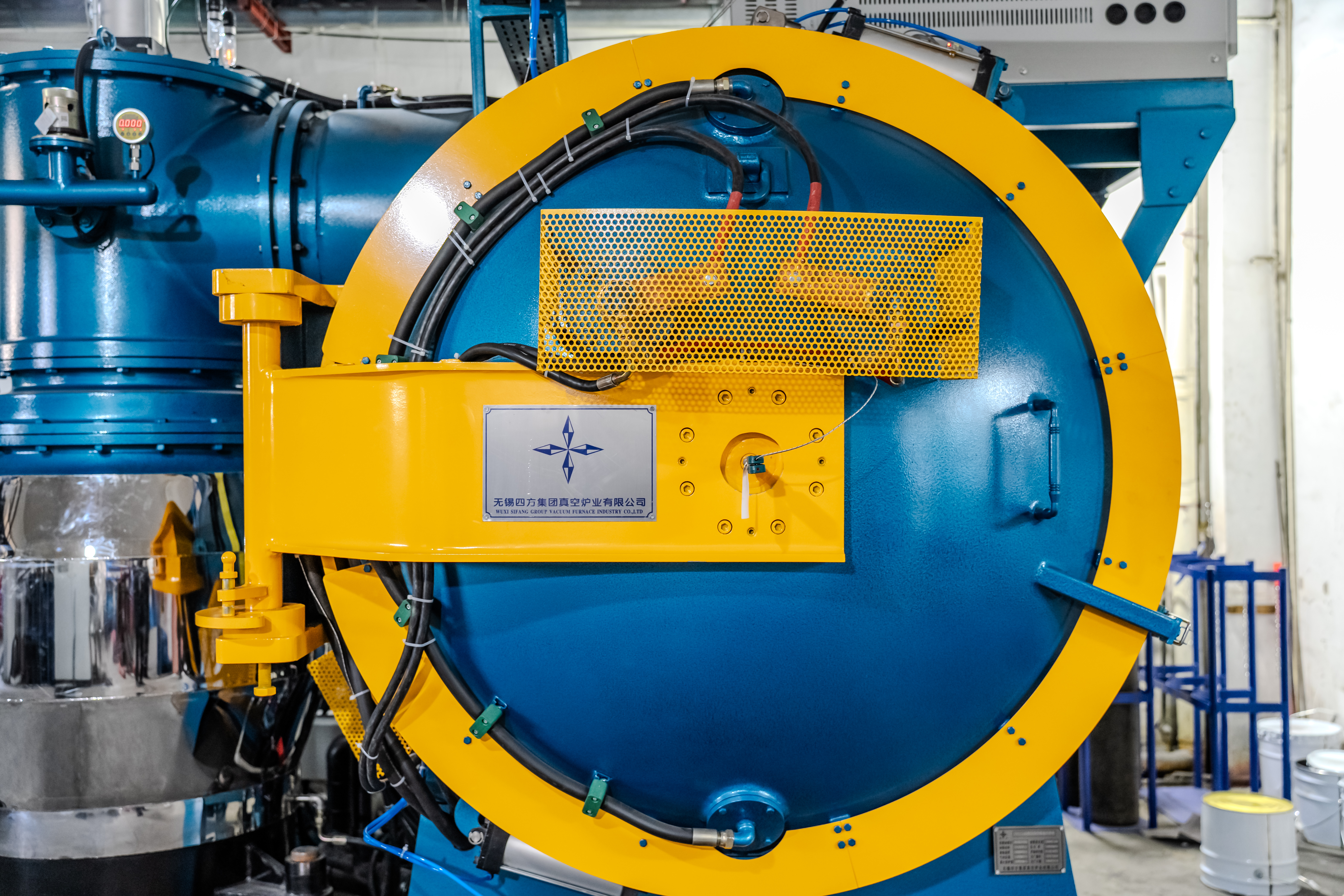
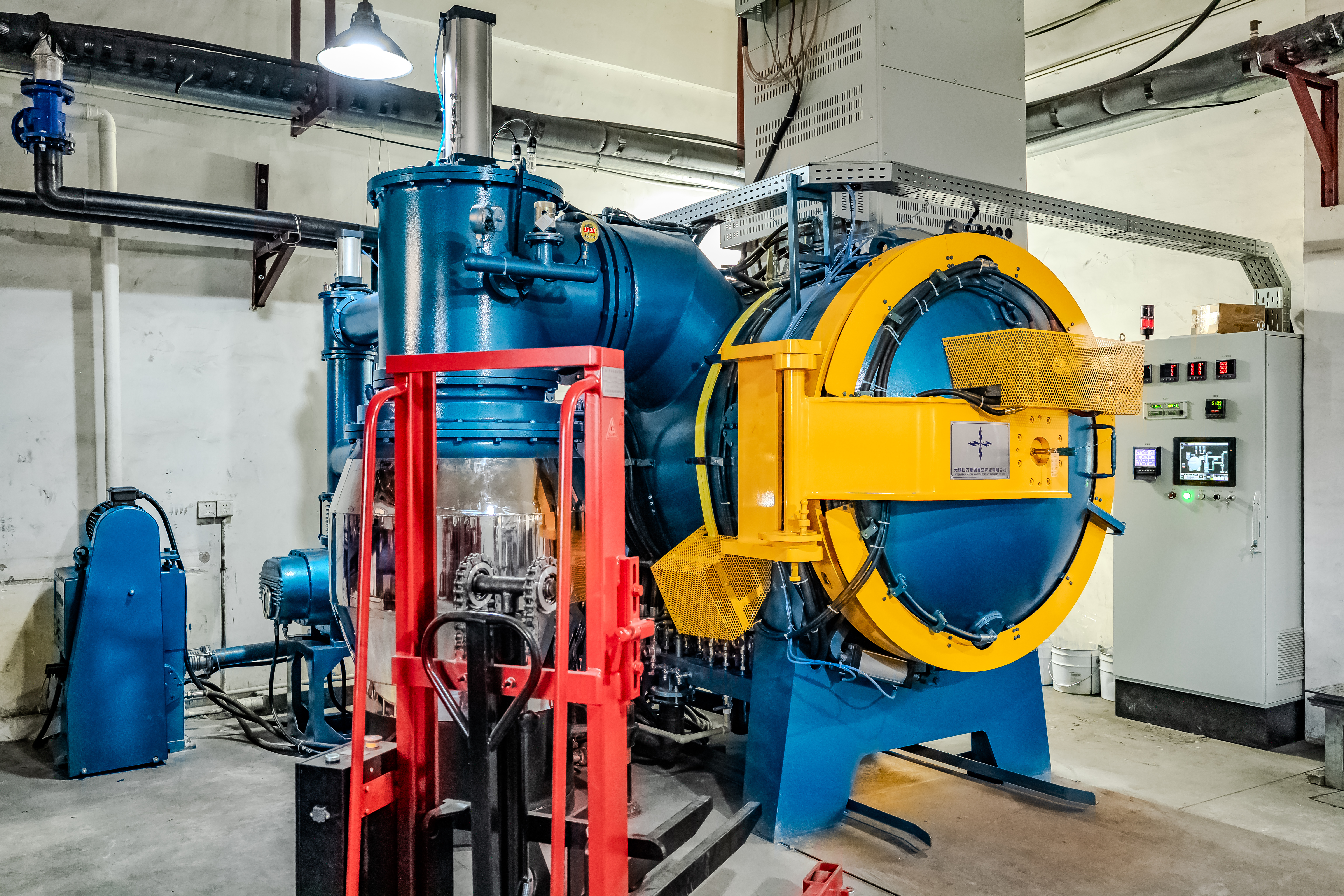
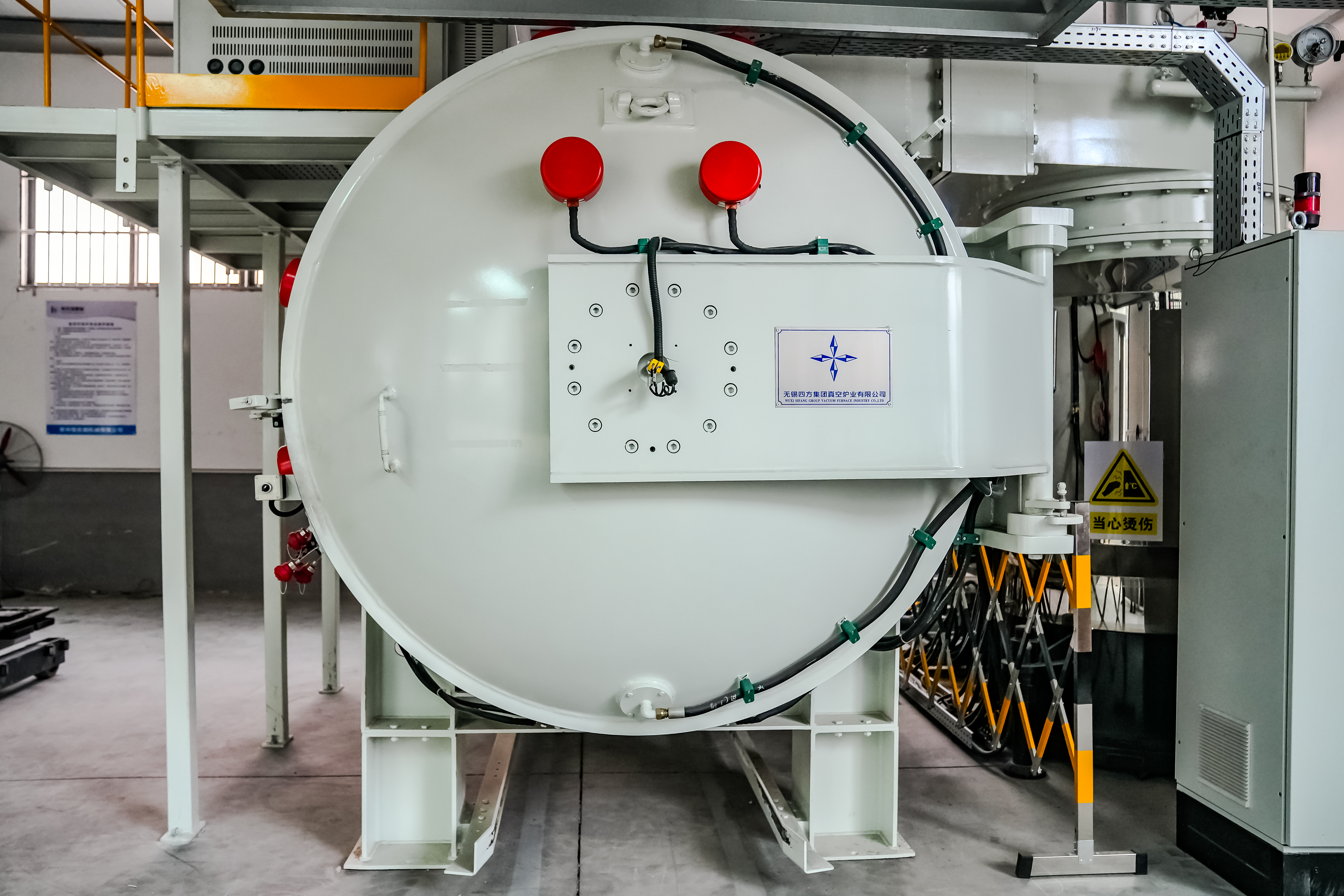
An industrial vacuum brazing furnace represents a sophisticated thermal processing system designed to join metallic components through controlled heating in an oxygen-free environment. This advanced equipment creates strong, durable bonds between materials by melting filler metals at temperatures typically ranging from 500°C to 1300°C while maintaining precise vacuum conditions. The industrial vacuum brazing furnace operates by removing atmospheric gases that could interfere with the bonding process, ensuring clean, high-quality joints without oxidation or contamination. The furnace chamber maintains vacuum levels between 10⁻³ to 10⁻⁶ mbar, creating optimal conditions for superior metallurgical bonding. Key technological features include programmable temperature controllers, multi-zone heating systems, and automated gas backfilling capabilities. Modern industrial vacuum brazing furnace units incorporate advanced insulation materials, typically graphite or molybdenum heating elements, and sophisticated cooling systems for rapid temperature cycling. These furnaces accommodate various workpiece sizes, from small precision components to large assemblies weighing several tons. The process begins with careful part preparation and fixture assembly, followed by vacuum chamber evacuation, controlled heating to brazing temperature, and gradual cooling under protective atmosphere. Primary applications span aerospace manufacturing for turbine components, automotive production for heat exchangers and electronic assemblies, medical device fabrication, and tool manufacturing. The industrial vacuum brazing furnace proves essential for joining dissimilar metals, creating hermetic seals, and producing components requiring exceptional strength and corrosion resistance. Industries rely on this technology for manufacturing critical parts where traditional welding methods prove inadequate or impossible to implement effectively.


Popular Products

The industrial vacuum brazing furnace delivers exceptional manufacturing benefits that transform production capabilities across multiple industries. First, this equipment produces joints with superior mechanical properties compared to conventional joining methods. The vacuum environment eliminates oxidation during heating, resulting in clean, strong bonds that often exceed the strength of base materials themselves. Manufacturing teams achieve consistent, repeatable results because the controlled atmosphere removes variables that typically affect joint quality in open-air processes. The industrial vacuum brazing furnace enables precise temperature control throughout the entire heating cycle, ensuring uniform heat distribution across complex geometries and multiple components simultaneously. This capability significantly reduces processing time while improving overall product quality. Cost efficiency emerges as another major advantage, as operators can braze multiple assemblies in single furnace cycles, dramatically increasing throughput compared to individual component processing. The vacuum environment allows manufacturers to join dissimilar metals that would otherwise prove incompatible using traditional welding techniques. This flexibility opens new design possibilities and material combinations previously considered unfeasible. Environmental benefits include reduced energy consumption per part due to batch processing capabilities and elimination of flux requirements that generate hazardous waste streams. The industrial vacuum brazing furnace minimizes post-processing cleanup since the vacuum environment prevents oxidation and contamination that typically require extensive finishing operations. Quality control improves substantially because the sealed environment creates predictable, measurable conditions that support statistical process control methodologies. Maintenance requirements remain minimal due to the absence of combustion products and corrosive atmospheres that damage conventional heating equipment. Production scheduling becomes more flexible since operators can process various part sizes and material combinations without extensive equipment reconfiguration. The industrial vacuum brazing furnace supports lean manufacturing principles by reducing work-in-progress inventory, minimizing handling steps, and eliminating rework associated with contaminated or poorly bonded assemblies. Long-term operational costs decrease through reduced material waste, lower rejection rates, and extended equipment lifespan compared to alternative joining technologies.

Latest News

How Do Small and Intermediate Steel Drums Enhance Chemical Storage Safety?

26

Dec

How Do Small and Intermediate Steel Drums Enhance Chemical Storage Safety?

Chemical storage safety remains a critical concern for industries handling hazardous substances, where the choice of containers can make the difference between secure operations and catastrophic incidents. Small and intermediate steel drums have emer...
View More
Why Do Inner Coating Steel Drums Provide Better Protection for Sensitive Materials?

23

Jan

Why Do Inner Coating Steel Drums Provide Better Protection for Sensitive Materials?

The protection of sensitive materials during storage and transportation has become increasingly critical in today's industrial landscape. Industries handling chemicals, pharmaceuticals, and specialty materials require containers that offer superior p...
View More
What Maintenance Practices Extend the Service Life of a Stainless Steel Drum?

25

Feb

What Maintenance Practices Extend the Service Life of a Stainless Steel Drum?

Industrial storage solutions require careful consideration of durability, safety, and long-term performance. A stainless steel drum represents one of the most reliable options for storing and transporting various materials across multiple industries....
View More
Why Is a Vacuum Brazing Furnace Critical for High-Precision Component Manufacturing?

25

Feb

Why Is a Vacuum Brazing Furnace Critical for High-Precision Component Manufacturing?

High-precision component manufacturing demands exceptional joining techniques that maintain material integrity while delivering reliable, leak-proof connections. A vacuum brazing furnace represents the pinnacle of advanced thermal processing technolo...
View More

Get a Free Quote

Our representative will contact you soon.
Email
Name
Company Name
Message
0/1000

industrial vacuum brazing furnace

Advanced Temperature Control Systems Ensure Consistent Results

Advanced Temperature Control Systems Ensure Consistent Results

The industrial vacuum brazing furnace incorporates sophisticated temperature control technology that guarantees precise thermal management throughout every processing cycle. This advanced system features multiple temperature zones with independent control capabilities, allowing operators to create custom heating profiles tailored to specific material requirements and component geometries. The temperature control accuracy typically maintains variations within ±5°C across the entire working chamber, ensuring uniform heating regardless of load configuration or part complexity. Programmable logic controllers integrate with high-resolution thermocouples positioned strategically throughout the chamber, providing real-time temperature monitoring and automatic adjustment capabilities. This precision proves crucial when processing assemblies containing multiple materials with different thermal expansion coefficients or melting points. The industrial vacuum brazing furnace temperature control system records all thermal data automatically, creating comprehensive documentation for quality assurance and process validation requirements. Advanced algorithms compensate for thermal mass variations between different production batches, maintaining consistent heating rates and peak temperatures regardless of load variations. The system supports complex thermal profiles including multiple temperature holds, controlled heating and cooling rates, and automated gas backfilling sequences. Operators benefit from user-friendly interfaces that simplify profile programming while providing detailed process visualization and historical trend analysis. Emergency safety systems monitor temperature excursions and automatically initiate protective shutdowns when parameters exceed safe operating limits. The robust control architecture ensures reliable operation in demanding industrial environments while supporting integration with plant-wide manufacturing execution systems. This temperature control precision enables manufacturers to achieve repeatable metallurgical results, reduce process development time, and maintain tight quality specifications across high-volume production runs. The investment in advanced temperature control technology pays dividends through reduced scrap rates, improved first-pass yields, and enhanced customer satisfaction with consistent product performance.
Superior Vacuum Technology Eliminates Contamination Issues

Superior Vacuum Technology Eliminates Contamination Issues

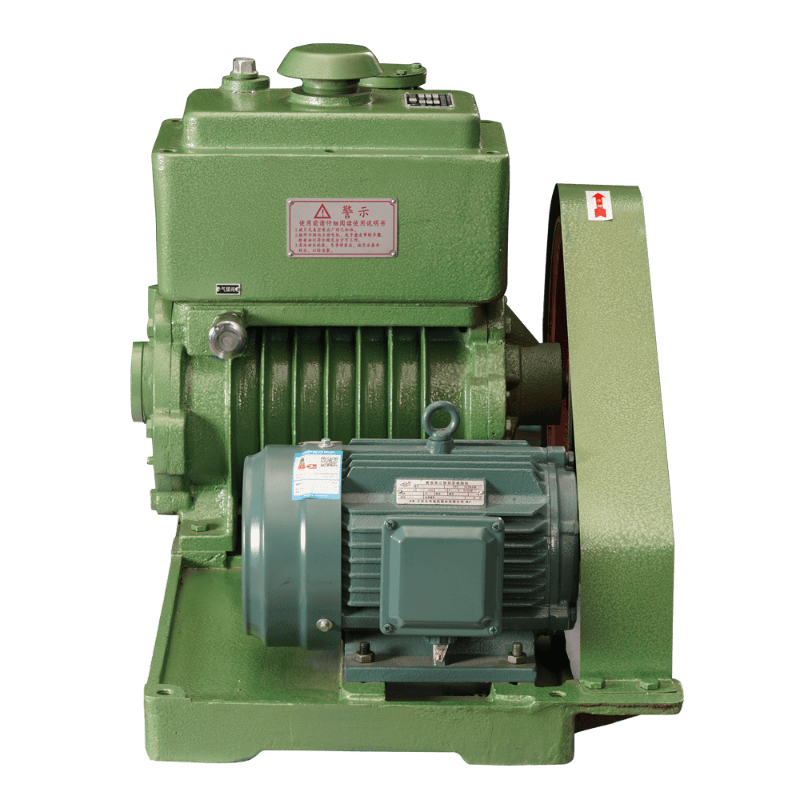
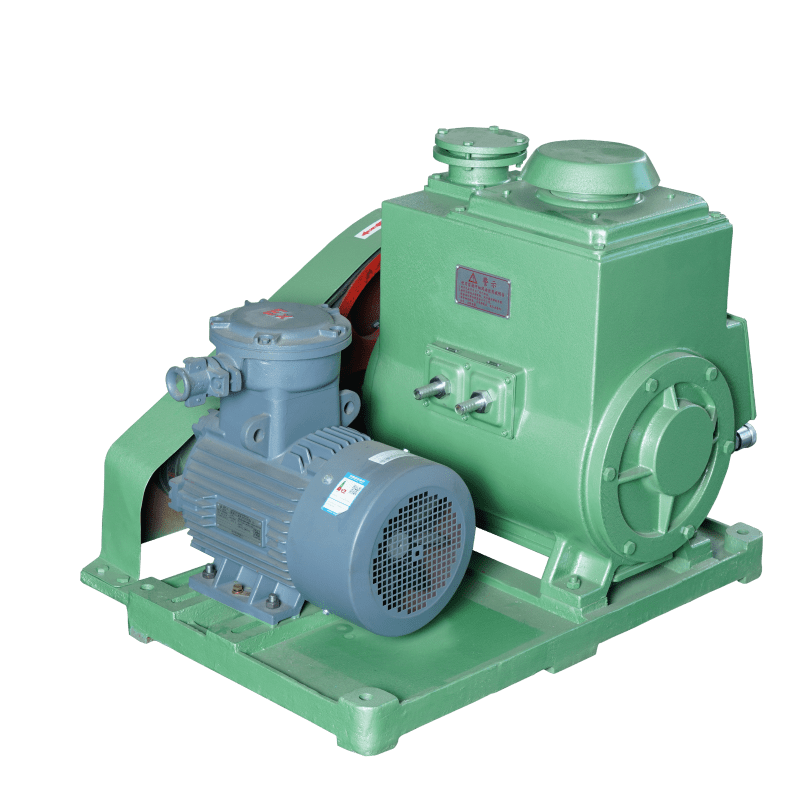
The industrial vacuum brazing furnace utilizes cutting-edge vacuum technology that creates an ultra-clean processing environment essential for producing high-integrity brazed assemblies. This sophisticated vacuum system combines multiple pumping stages, including mechanical roughing pumps and high-vacuum diffusion or turbo-molecular pumps, achieving ultimate vacuum levels below 10⁻⁵ mbar. Such low pressure conditions effectively remove oxygen, nitrogen, water vapor, and other atmospheric contaminants that would otherwise interfere with proper filler metal wetting and flow characteristics. The vacuum chamber construction employs high-grade stainless steel with precision-machined sealing surfaces and specialized gasket materials that maintain leak-tight integrity throughout repeated thermal cycling operations. Advanced vacuum measurement instruments continuously monitor chamber pressure using cold cathode and Pirani gauges, providing operators with accurate real-time vacuum level indication and historical trending data. The industrial vacuum brazing furnace vacuum system incorporates automated leak detection capabilities that identify potential seal degradation before it affects process quality. Programmable pump-down sequences optimize evacuation time while preventing workpiece damage from rapid pressure changes. The system supports various backfilling options using inert gases like argon or nitrogen to create protective atmospheres during cooling cycles or for specific material requirements. Contamination elimination proves particularly critical when processing reactive metals such as titanium, aluminum, or stainless steel alloys that readily form surface oxides in the presence of oxygen. The ultra-clean environment enables flux-free brazing operations, eliminating post-braze cleaning requirements and reducing environmental waste disposal concerns. Maintenance protocols include regular system calibration and preventive component replacement schedules that ensure consistent vacuum performance throughout equipment lifetime. The superior vacuum technology enables manufacturers to achieve brazing results impossible with conventional atmospheric furnaces, opening new applications in aerospace, medical device, and high-performance automotive markets where contamination-free joints are mandatory for safety and reliability.
Versatile Loading Configurations Maximize Production Flexibility

Versatile Loading Configurations Maximize Production Flexibility

The industrial vacuum brazing furnace offers exceptional loading flexibility through innovative fixture systems and chamber configurations that accommodate diverse production requirements across multiple industries. This versatility stems from modular fixture designs that support various workpiece orientations, sizes, and quantities within the same processing cycle, maximizing furnace utilization and reducing per-part processing costs. The chamber architecture typically features removable hearth plates or fixture systems that enable rapid changeovers between different product lines without extensive downtime or tooling modifications. Loading configurations range from high-density small component arrangements to specialized fixtures for large, complex assemblies requiring specific positioning for optimal filler metal flow distribution. The industrial vacuum brazing furnace design accommodates both horizontal and vertical loading orientations, with some models featuring rotating or tilting capabilities that ensure uniform heating and proper filler metal flow regardless of component geometry. Fixture materials include high-temperature alloys, ceramics, or graphite components selected based on thermal expansion compatibility and chemical inertness with processed materials. The flexible loading system supports mixed-material batches, allowing manufacturers to process different alloy combinations simultaneously while maintaining separate contamination control protocols. Advanced fixture designs incorporate features such as adjustable positioning mechanisms, self-jigging capabilities, and integrated shielding elements that protect sensitive areas from unwanted filler metal flow. The industrial vacuum brazing furnace loading flexibility extends to tooling standardization programs that enable common fixture components across multiple furnace installations, reducing inventory requirements and operator training complexity. Quick-disconnect utility connections for thermocouples, gas distribution, and cooling systems facilitate rapid fixture changes while maintaining process monitoring capabilities. The versatile loading approach supports lean manufacturing principles by enabling single-piece flow processing, mixed-model scheduling, and just-in-time delivery requirements. Documentation systems track fixture usage patterns and maintenance schedules, ensuring consistent performance and preventing unexpected downtime. This production flexibility proves particularly valuable for contract manufacturers serving multiple customers with varying volume requirements and processing specifications, enabling efficient capacity utilization while maintaining quality standards across diverse product portfolios.

Get a Free Quote

Our representative will contact you soon.
Email
Name
Company Name
Message
0/1000