High-Performance Roots Vacuum Pumps: Oil-Free Technology for Industrial Applications

All Categories

Get a Free Quote

Our representative will contact you soon.
Email
Name
Company Name
Message
0/1000

roots vacuum pump

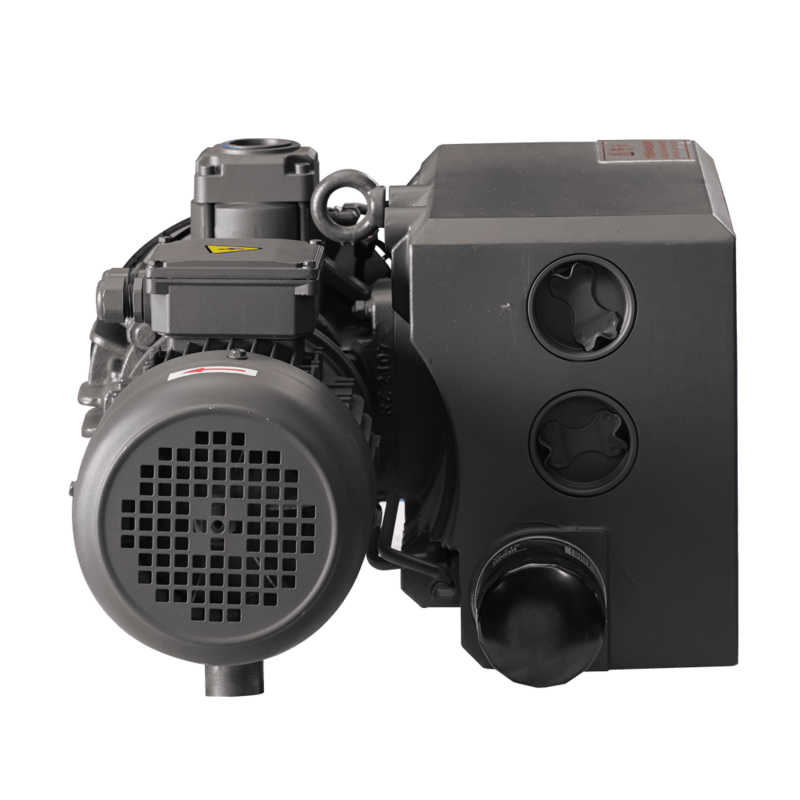
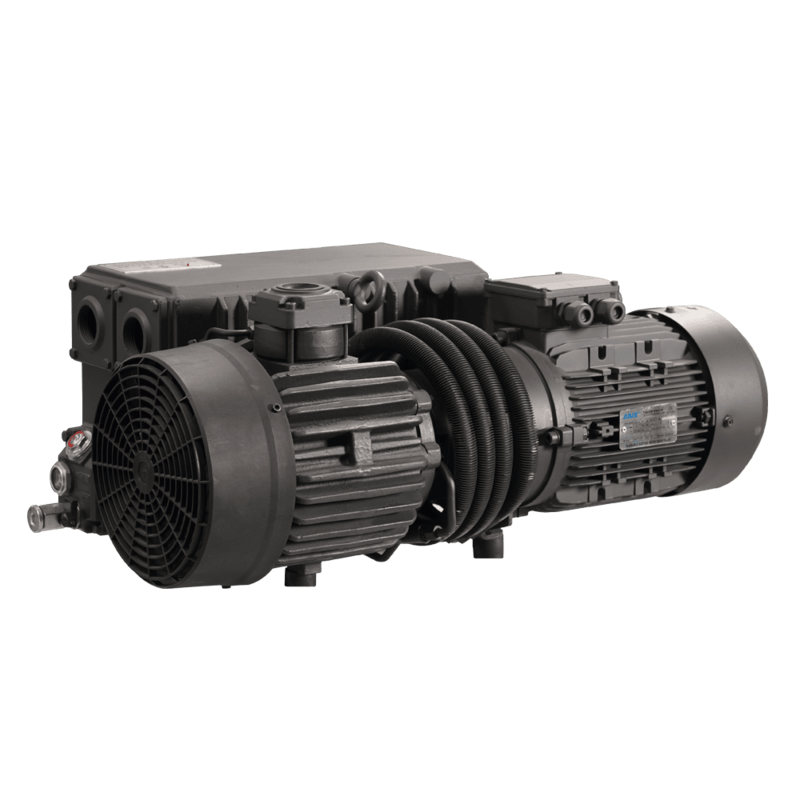
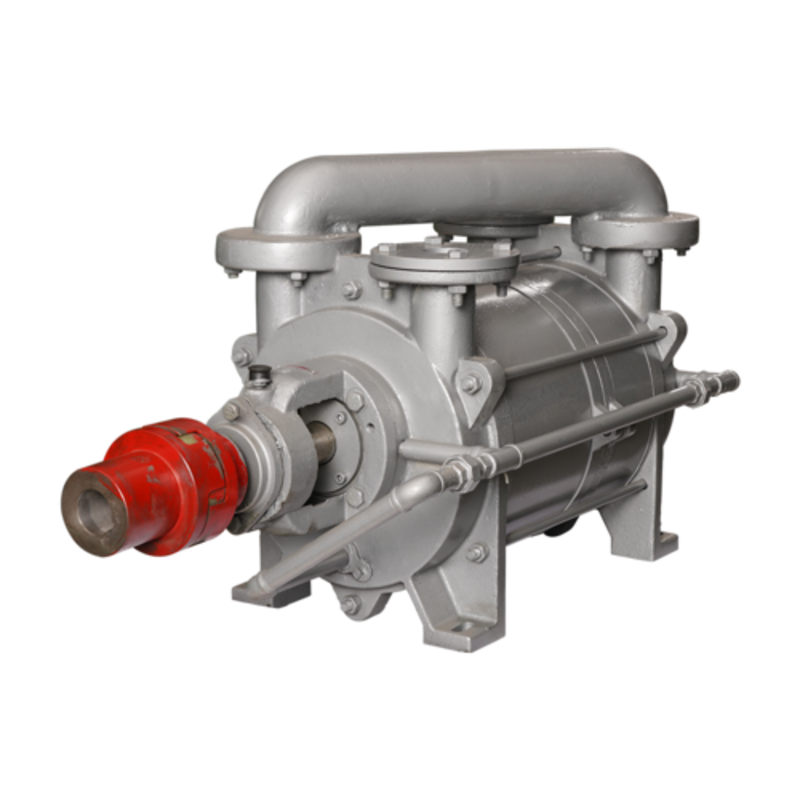
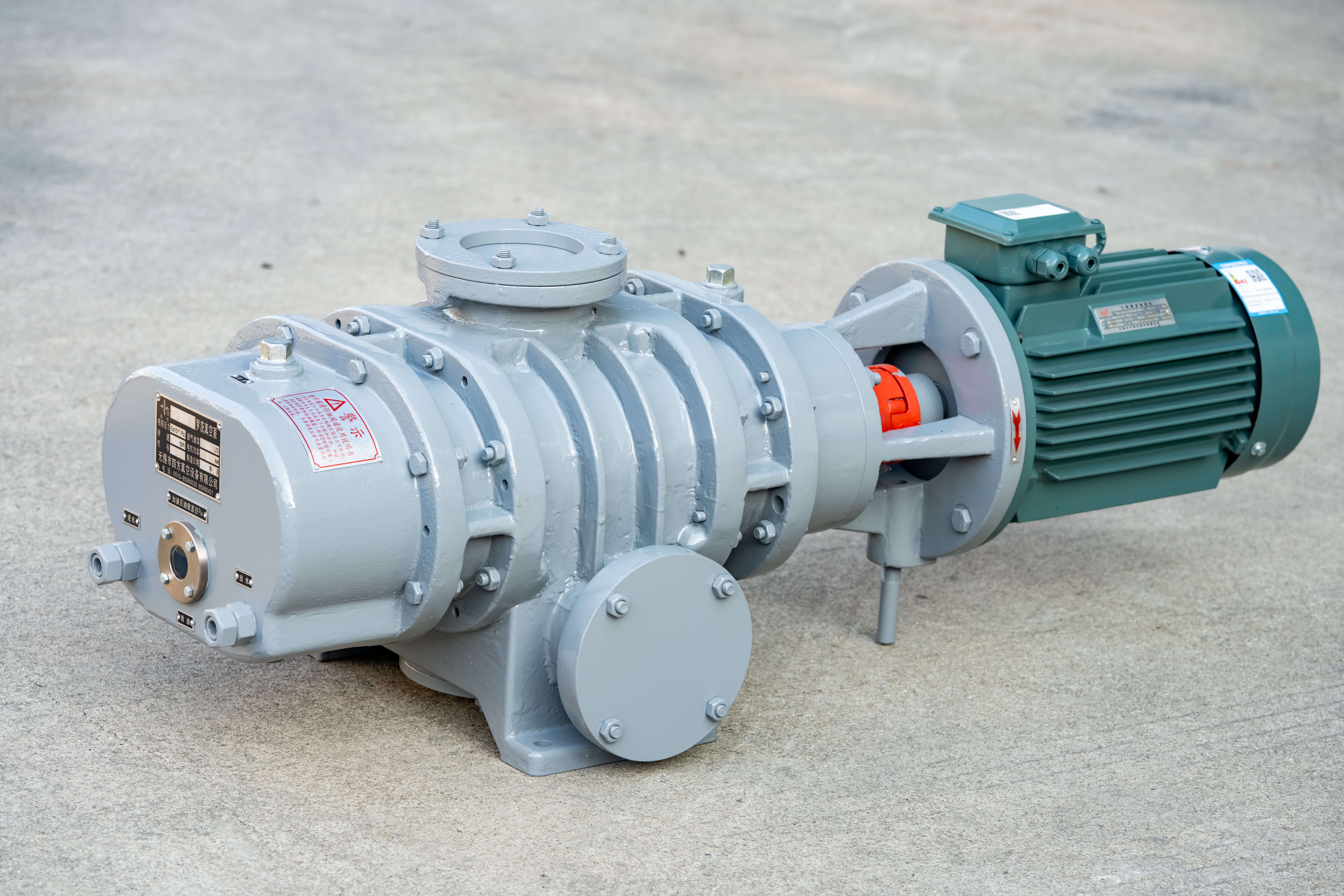
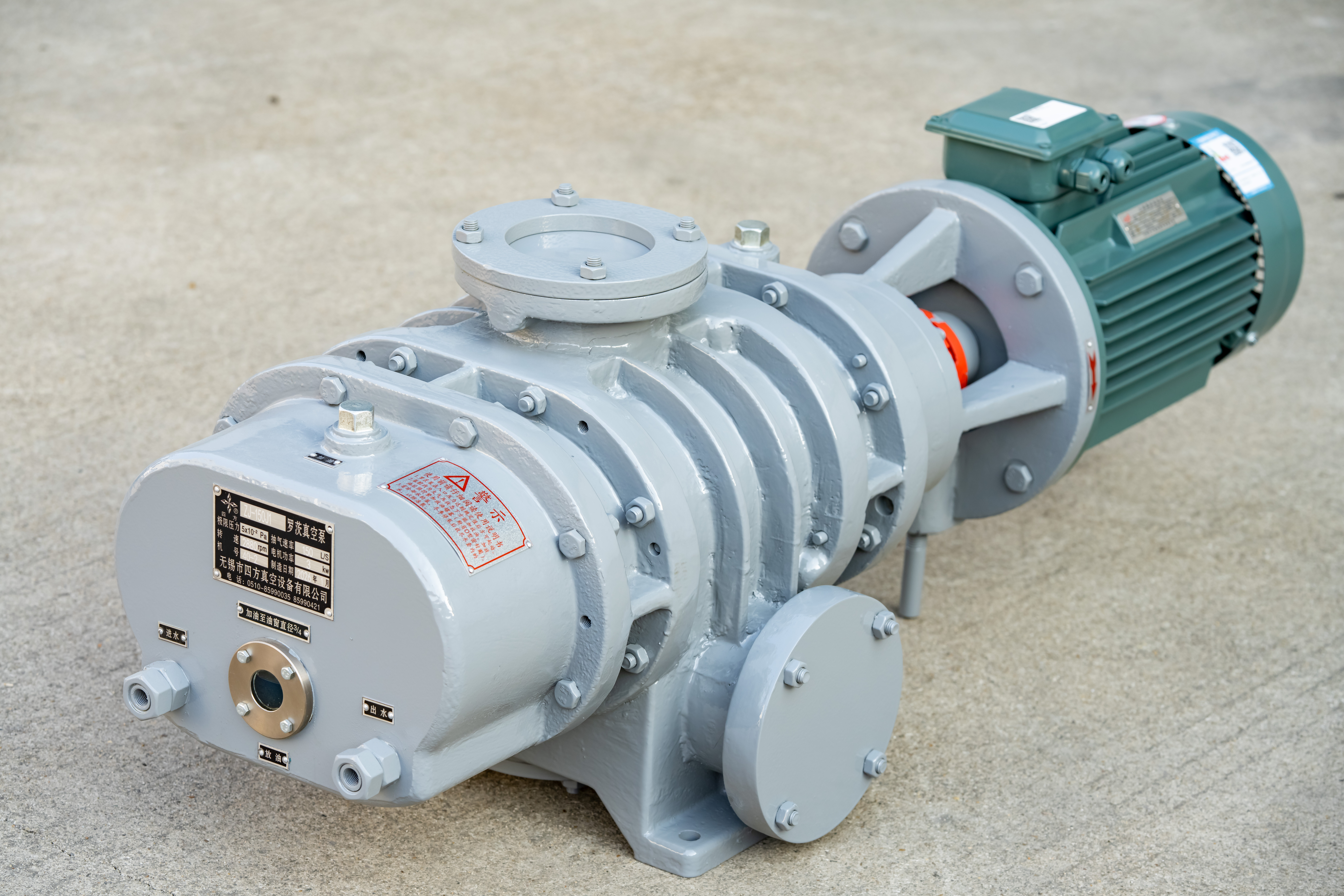
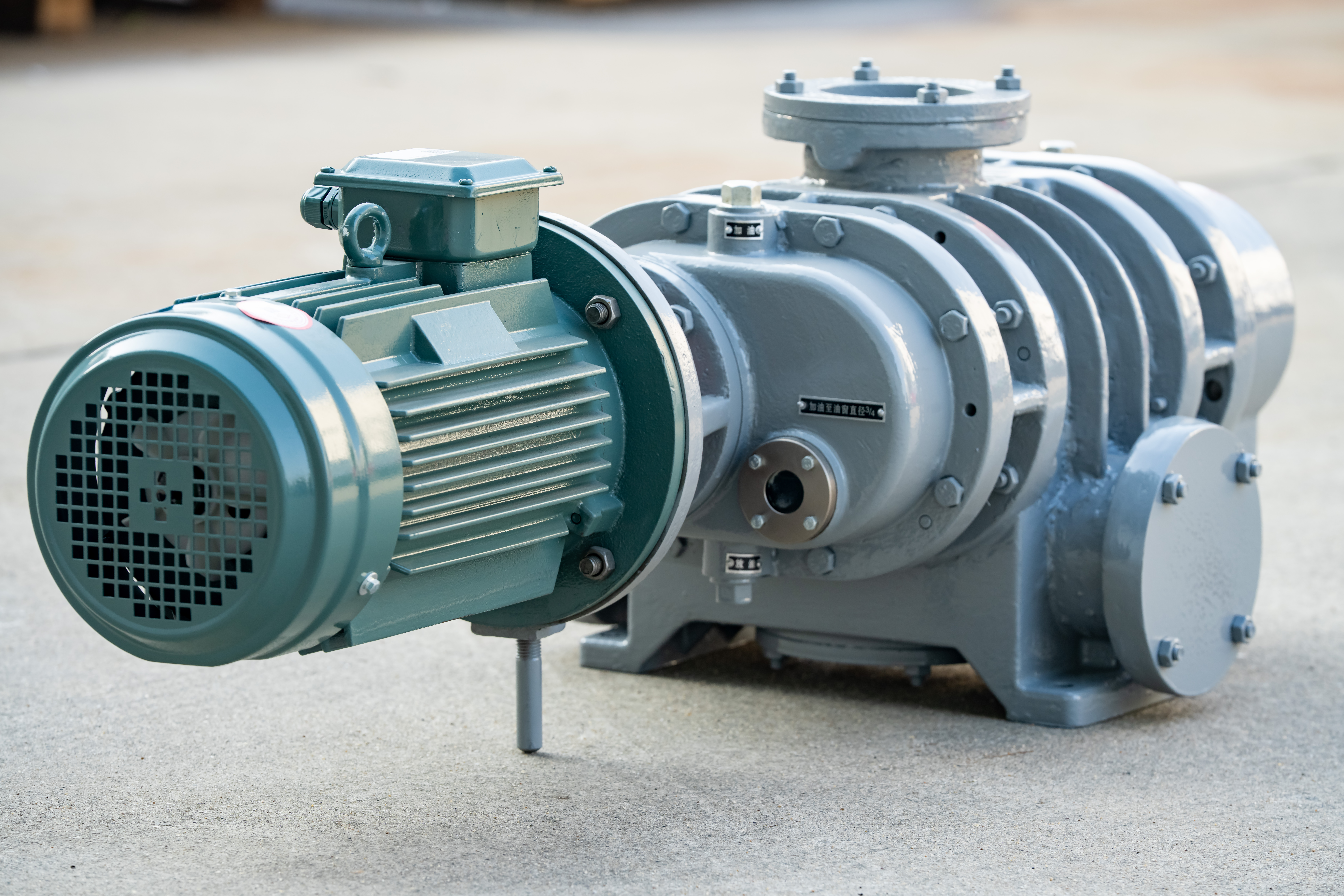
The roots vacuum pump represents a sophisticated dry vacuum technology that operates without oil or other liquid sealing mediums, making it an essential component in numerous industrial applications. This positive displacement pump features two synchronized rotors that mesh together without physical contact, creating a sealed chamber that effectively moves gas from the inlet to the outlet. The fundamental design principle of the roots vacuum pump eliminates contamination risks while delivering consistent, reliable performance across diverse operational conditions. Unlike traditional wet vacuum systems, the roots vacuum pump maintains its efficiency without requiring regular fluid changes or dealing with vapor contamination issues. The technology behind this pump involves precise engineering where two figure-eight shaped rotors rotate in opposite directions within a specially designed housing. These rotors maintain extremely tight clearances, typically measured in thousandths of an inch, ensuring maximum volumetric efficiency while preventing backflow. The synchronization mechanism utilizes timing gears that maintain perfect rotor alignment throughout operation, preventing contact and reducing wear. Modern roots vacuum pump systems incorporate advanced monitoring capabilities, including temperature sensors, vibration detectors, and pressure gauges that provide real-time operational data. The pump housing features robust construction materials, often including cast iron or stainless steel components that withstand harsh industrial environments. Cooling systems integrated into the design manage operational temperatures, extending component life and maintaining consistent performance. The roots vacuum pump excels in applications requiring clean, oil-free vacuum environments, making it indispensable in semiconductor manufacturing, pharmaceutical processing, and food packaging industries. Its ability to handle both continuous and intermittent operations while maintaining stable vacuum levels sets it apart from alternative vacuum technologies. The modular design allows for easy maintenance access, reducing downtime and operational costs for end users.

Popular Products

The roots vacuum pump delivers exceptional performance benefits that directly translate into operational efficiency and cost savings for businesses across multiple industries. The primary advantage lies in its oil-free operation, which eliminates the risk of product contamination that could compromise quality standards or require expensive cleanup procedures. This contamination-free environment proves crucial for pharmaceutical companies producing sensitive medications, semiconductor manufacturers creating precision electronic components, and food processors maintaining strict hygiene standards. The pump's ability to achieve rapid pumpdown times significantly reduces processing cycles, allowing companies to increase throughput and meet higher production demands. Unlike conventional vacuum systems that may require several hours to reach optimal vacuum levels, the roots vacuum pump can achieve target pressures in minutes, maximizing equipment utilization and improving overall productivity. Energy efficiency represents another substantial advantage, as the pump's design minimizes power consumption while delivering consistent vacuum performance. The absence of oil circulation systems, heating elements, and associated auxiliary equipment reduces overall energy requirements by up to thirty percent compared to traditional vacuum technologies. Maintenance requirements remain minimal due to the non-contact rotor design, which prevents wear and extends operational life. Routine maintenance typically involves only bearing lubrication and seal inspection, eliminating the need for expensive oil changes, filter replacements, and vapor recovery systems. The pump operates quietly, producing noise levels significantly lower than alternative vacuum technologies, creating a more comfortable work environment and reducing the need for sound dampening equipment. Temperature stability throughout operation ensures consistent performance regardless of ambient conditions or duty cycle variations. The roots vacuum pump handles a wide range of gas compositions without performance degradation, making it suitable for diverse applications involving corrosive gases, moisture-laden atmospheres, and particulate-containing environments. Installation flexibility allows integration into existing systems without extensive modifications, reducing implementation costs and minimizing production disruptions. The pump's compact footprint maximizes valuable floor space while delivering superior vacuum performance, making it ideal for facilities with space constraints.

Latest News

How Do Small and Intermediate Steel Drums Reduce Leakage Risks?

23

Jan

How Do Small and Intermediate Steel Drums Reduce Leakage Risks?

Industrial storage and transportation operations face constant challenges when it comes to preventing leakage incidents that can result in environmental contamination, regulatory violations, and significant financial losses. Steel drums have emerged ...
View More
Why Do Inner Coating Steel Drums Provide Better Protection for Sensitive Materials?

23

Jan

Why Do Inner Coating Steel Drums Provide Better Protection for Sensitive Materials?

The protection of sensitive materials during storage and transportation has become increasingly critical in today's industrial landscape. Industries handling chemicals, pharmaceuticals, and specialty materials require containers that offer superior p...
View More
How Does a Stainless Steel Drum Support Long-Term Material Storage?

25

Feb

How Does a Stainless Steel Drum Support Long-Term Material Storage?

Industrial material storage presents complex challenges that require robust, reliable solutions capable of maintaining product integrity over extended periods. A stainless steel drum serves as an exceptional storage vessel, offering unparalleled prot...
View More
How Does a Vacuum Brazing Furnace Reduce Oxidation During Processing?

25

Feb

How Does a Vacuum Brazing Furnace Reduce Oxidation During Processing?

Modern manufacturing processes demand precise control over atmospheric conditions to achieve optimal results, particularly when joining metals through brazing operations. A vacuum brazing furnace represents a sophisticated solution that eliminates ox...
View More

Get a Free Quote

Our representative will contact you soon.
Email
Name
Company Name
Message
0/1000

roots vacuum pump

Superior Contamination-Free Operation

Superior Contamination-Free Operation

The contamination-free operation of the roots vacuum pump stands as its most significant technological achievement, fundamentally transforming how industries approach vacuum applications where product purity remains paramount. Unlike traditional oil-sealed vacuum pumps that introduce potential contaminants through lubricating oils, vapors, and degradation byproducts, the roots vacuum pump maintains an absolutely clean vacuum environment throughout its operational cycle. This clean operation becomes critical in pharmaceutical manufacturing, where even trace amounts of oil contamination could render entire production batches unusable, resulting in substantial financial losses and potential regulatory violations. The semiconductor industry particularly benefits from this contamination-free environment, as microscopic oil particles could permanently damage sensitive electronic components during manufacturing processes. The pump achieves this clean operation through its innovative dry-running design, where synchronized rotors create vacuum without requiring liquid sealing agents. Advanced sealing technologies at shaft penetrations prevent external contamination while maintaining vacuum integrity. The absence of oil circulation systems eliminates the risk of oil degradation, which often produces acidic compounds that could corrode equipment components or contaminate processed materials. Food processing applications gain tremendous value from this clean operation, as it ensures compliance with strict FDA regulations and maintains product safety standards. The pump's ability to handle moisture without performance degradation allows food processors to evacuate air from packaging without introducing harmful substances that could affect taste, shelf life, or consumer safety. Analytical laboratories benefit enormously from contamination-free operation when conducting precise measurements or preparing samples for testing, as oil contamination could skew results and compromise research validity. The economic impact extends beyond avoiding contamination incidents, encompassing reduced cleaning costs, eliminated waste disposal fees for contaminated materials, and improved yield rates. Quality assurance departments appreciate the consistent, predictable operation that simplifies validation procedures and reduces testing requirements, ultimately accelerating product time-to-market while maintaining compliance standards.
Exceptional Energy Efficiency and Cost Savings

Exceptional Energy Efficiency and Cost Savings

The exceptional energy efficiency of the roots vacuum pump translates into substantial operational cost savings that accumulate significantly over the equipment's operational lifetime, making it an intelligent investment for cost-conscious organizations seeking to optimize their vacuum systems. The pump's innovative design eliminates energy-intensive auxiliary systems commonly required by traditional vacuum technologies, including oil circulation pumps, heating elements for oil conditioning, vapor recovery units, and extensive cooling systems. This streamlined design typically reduces overall system energy consumption by twenty-five to thirty-five percent compared to conventional oil-sealed vacuum pumps, resulting in measurable reductions in monthly utility bills. The direct-drive configuration eliminates energy losses associated with belt drives, gear reducers, and coupling systems, ensuring maximum power transfer efficiency from motor to pump mechanism. Variable speed capability allows operators to match pump performance precisely to application requirements, preventing energy waste from oversized systems running at partial loads. The pump's rapid startup capability eliminates extended warmup periods that consume energy without productive output, particularly beneficial for intermittent applications where pumps cycle on and off throughout production schedules. Thermal efficiency improvements reduce facility cooling requirements, as the pump generates less waste heat compared to oil-sealed alternatives, lowering air conditioning costs and improving worker comfort. The absence of oil heating systems eliminates continuous energy consumption required to maintain optimal oil temperature and viscosity, particularly significant in facilities operating around-the-clock production schedules. Maintenance-related energy savings emerge from eliminated oil processing equipment, including filtration systems, degassing units, and oil analysis equipment that would otherwise consume power continuously. The pump's stable performance characteristics prevent efficiency degradation over time, maintaining consistent energy consumption throughout its operational life rather than experiencing the gradual efficiency losses common with oil-sealed systems. Facility managers appreciate predictable energy consumption patterns that simplify budgeting and energy management strategies, while sustainability initiatives benefit from reduced carbon footprints associated with lower energy consumption.

Minimal Maintenance Requirements and Maximum Uptime

Minimal Maintenance Requirements and Maximum Uptime

The minimal maintenance requirements of the roots vacuum pump represent a paradigm shift in vacuum system management, delivering unprecedented reliability and operational continuity that maximizes production uptime while minimizing maintenance costs and resource allocation. The non-contact rotor design eliminates wear mechanisms that plague traditional vacuum pumps, extending operational intervals between maintenance activities from weeks or months to years in many applications. Routine maintenance typically involves only periodic bearing lubrication, seal inspection, and basic cleaning procedures that skilled operators can complete without specialized training or expensive diagnostic equipment. The absence of oil change requirements eliminates scheduled maintenance activities that would otherwise interrupt production schedules, reduce labor costs, and eliminate waste disposal fees associated with used oil handling. Predictive maintenance becomes simplified through integrated monitoring systems that track key performance indicators including vibration levels, temperature trends, and power consumption patterns, allowing maintenance teams to schedule interventions during planned downtime rather than responding to unexpected failures. The pump's robust construction materials and precise manufacturing tolerances ensure consistent performance throughout extended operational periods, reducing the likelihood of unexpected breakdowns that could halt production and generate emergency repair costs. Component replacement intervals extend significantly beyond traditional vacuum pump technologies, with major components often operating reliably for decades under normal operating conditions. The modular design facilitates rapid component replacement when maintenance becomes necessary, typically requiring only basic tools and minimal disassembly time. Maintenance inventory requirements remain minimal, as the simplified design reduces the variety and quantity of spare parts needed to support ongoing operations. Training requirements for maintenance personnel decrease substantially, as the straightforward design principles and accessible components eliminate the need for specialized certifications or extensive technical training programs. Documentation and troubleshooting procedures remain simplified, reducing diagnostic time and preventing maintenance errors that could compromise system performance or component longevity. The economic benefits extend beyond direct maintenance cost savings to include improved production scheduling flexibility, reduced emergency service calls, and enhanced overall equipment effectiveness that contributes to improved profitability and competitive positioning.

Get a Free Quote

Our representative will contact you soon.
Email
Name
Company Name
Message
0/1000