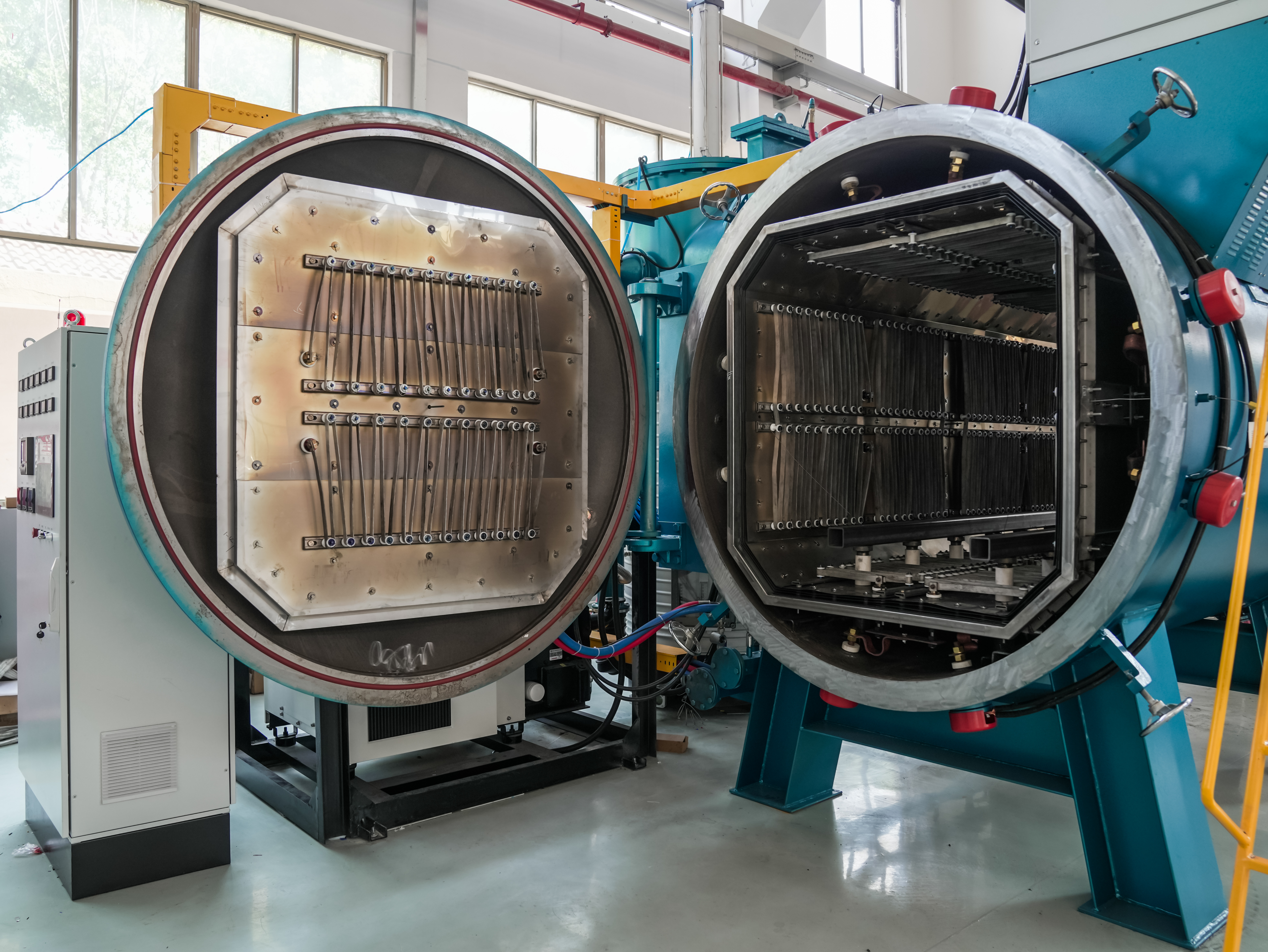
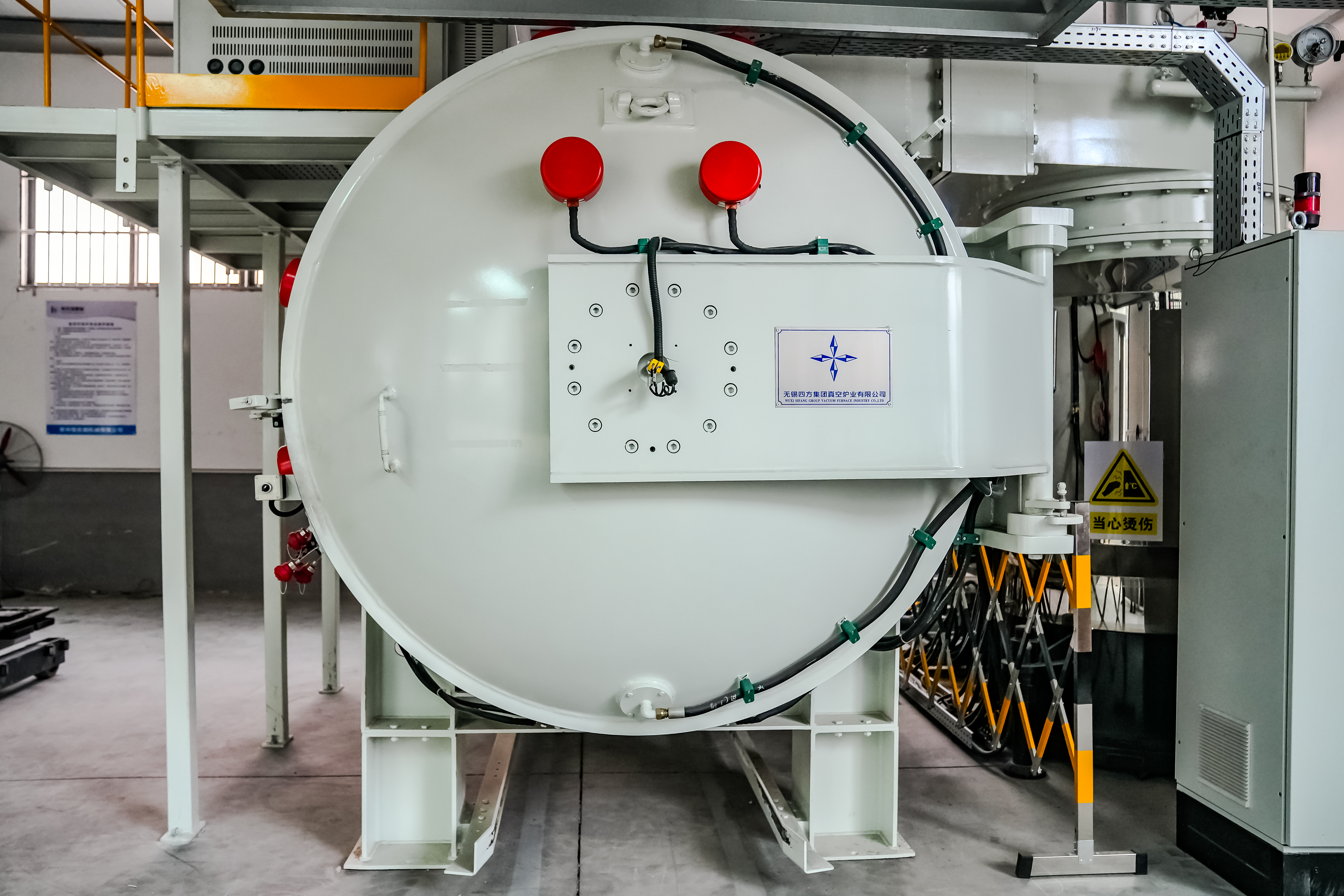
vacuum brazing furnace
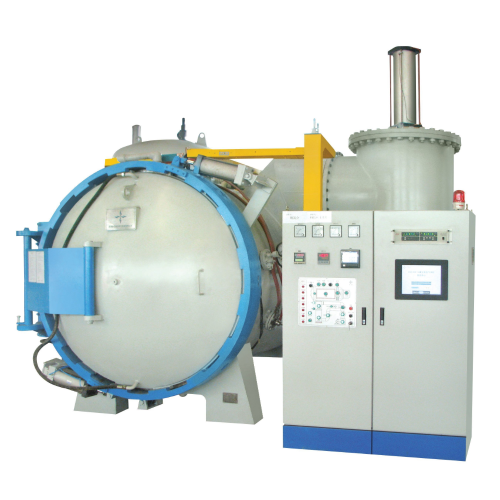
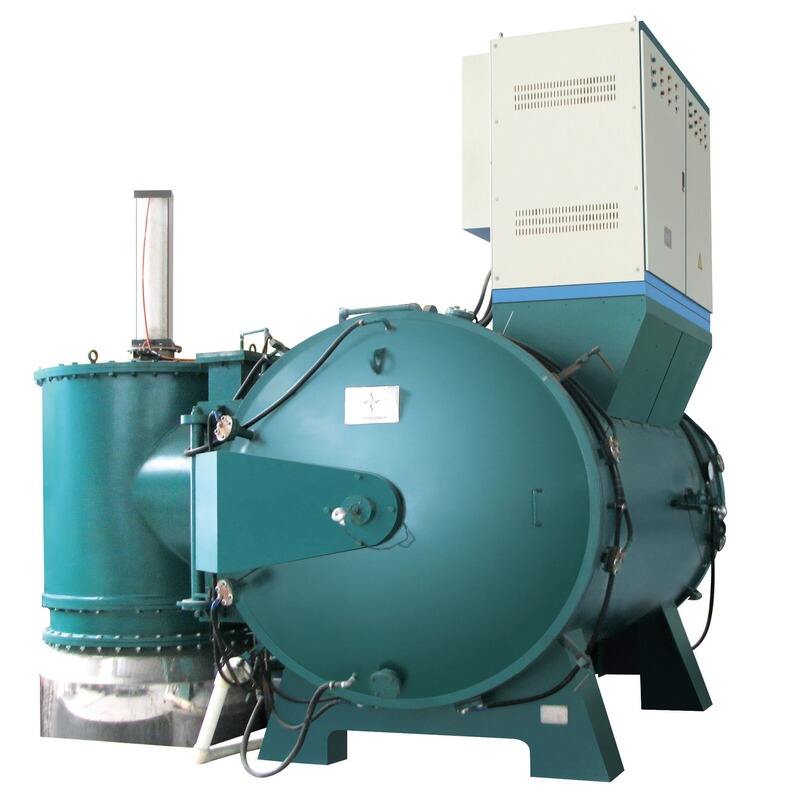
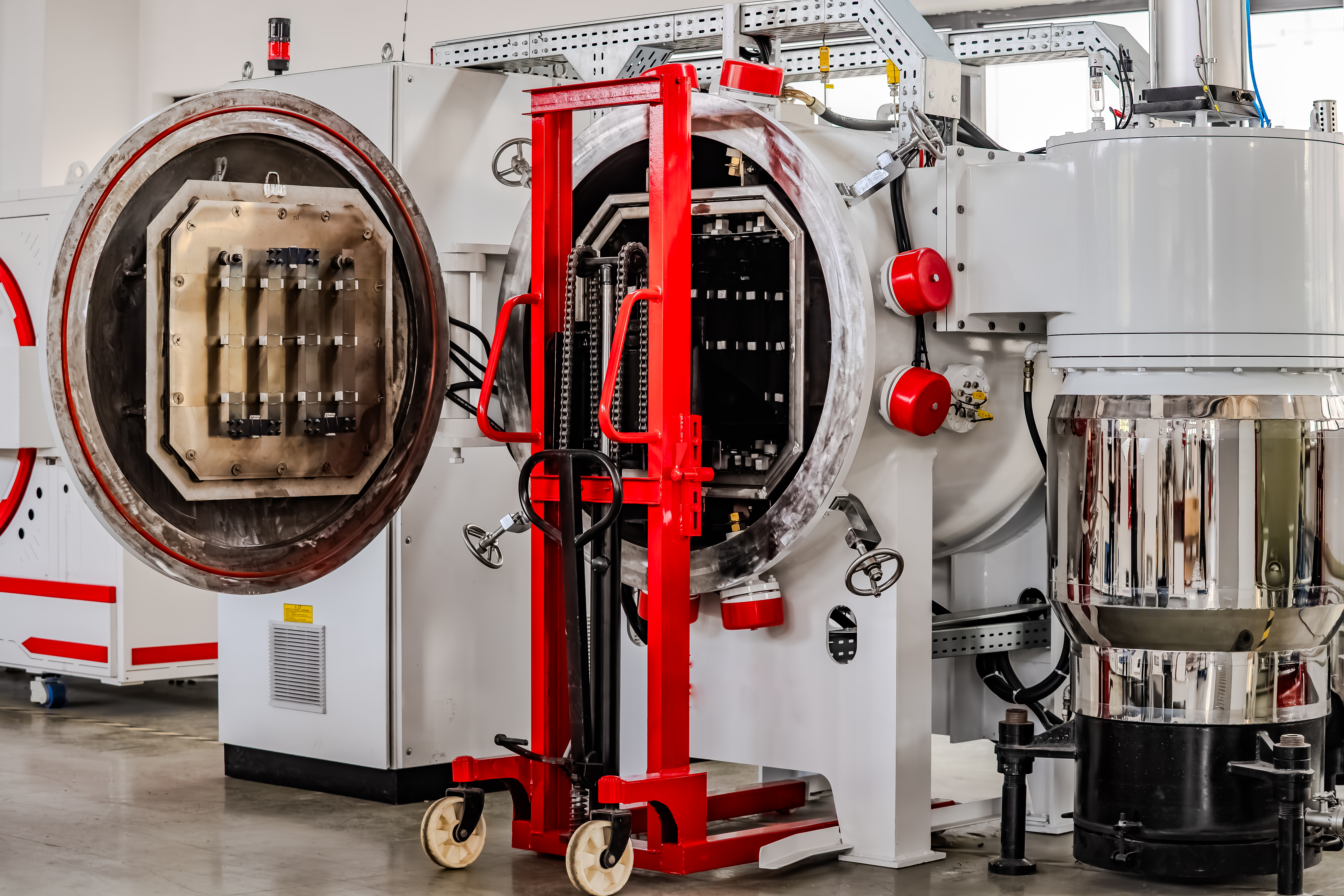
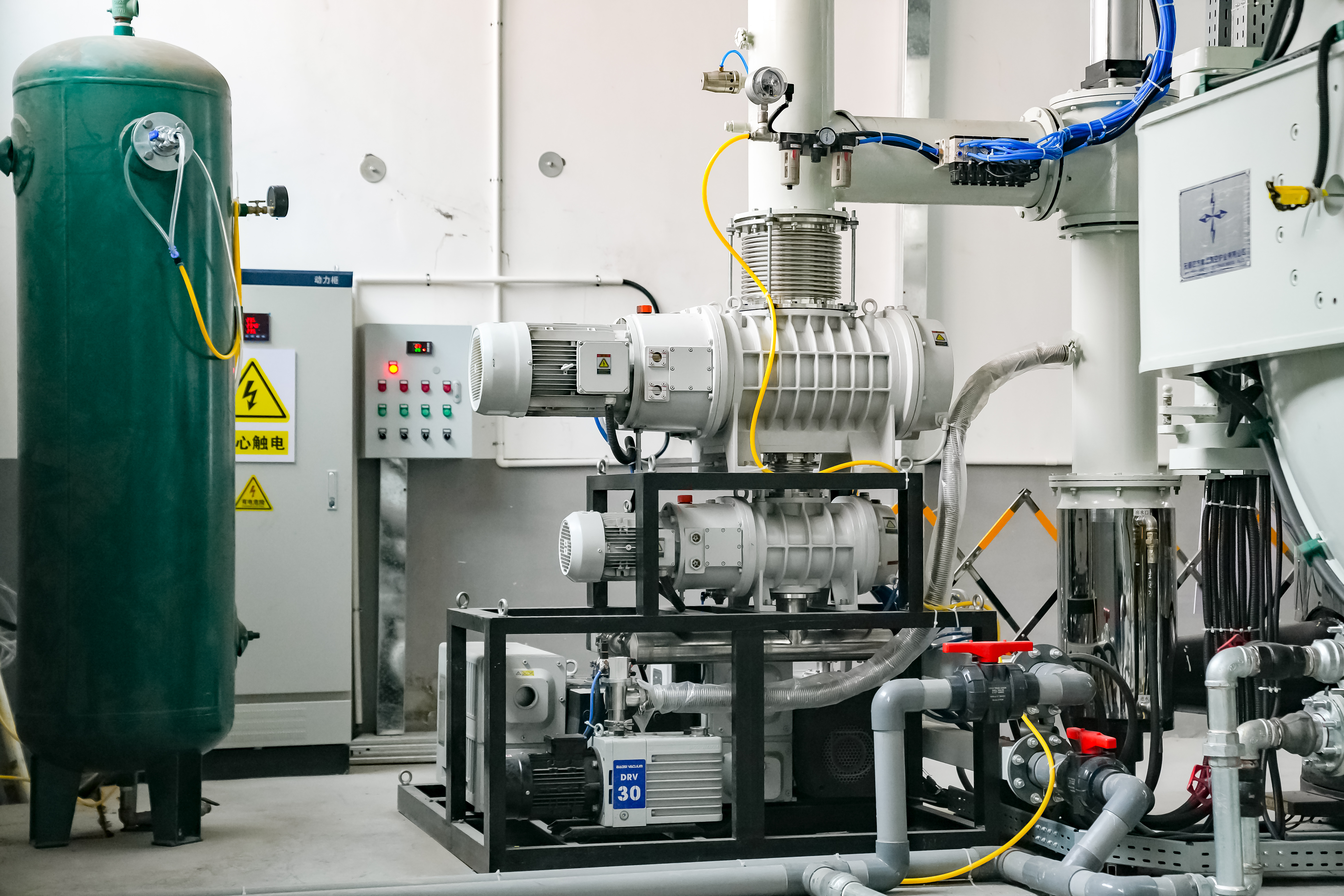
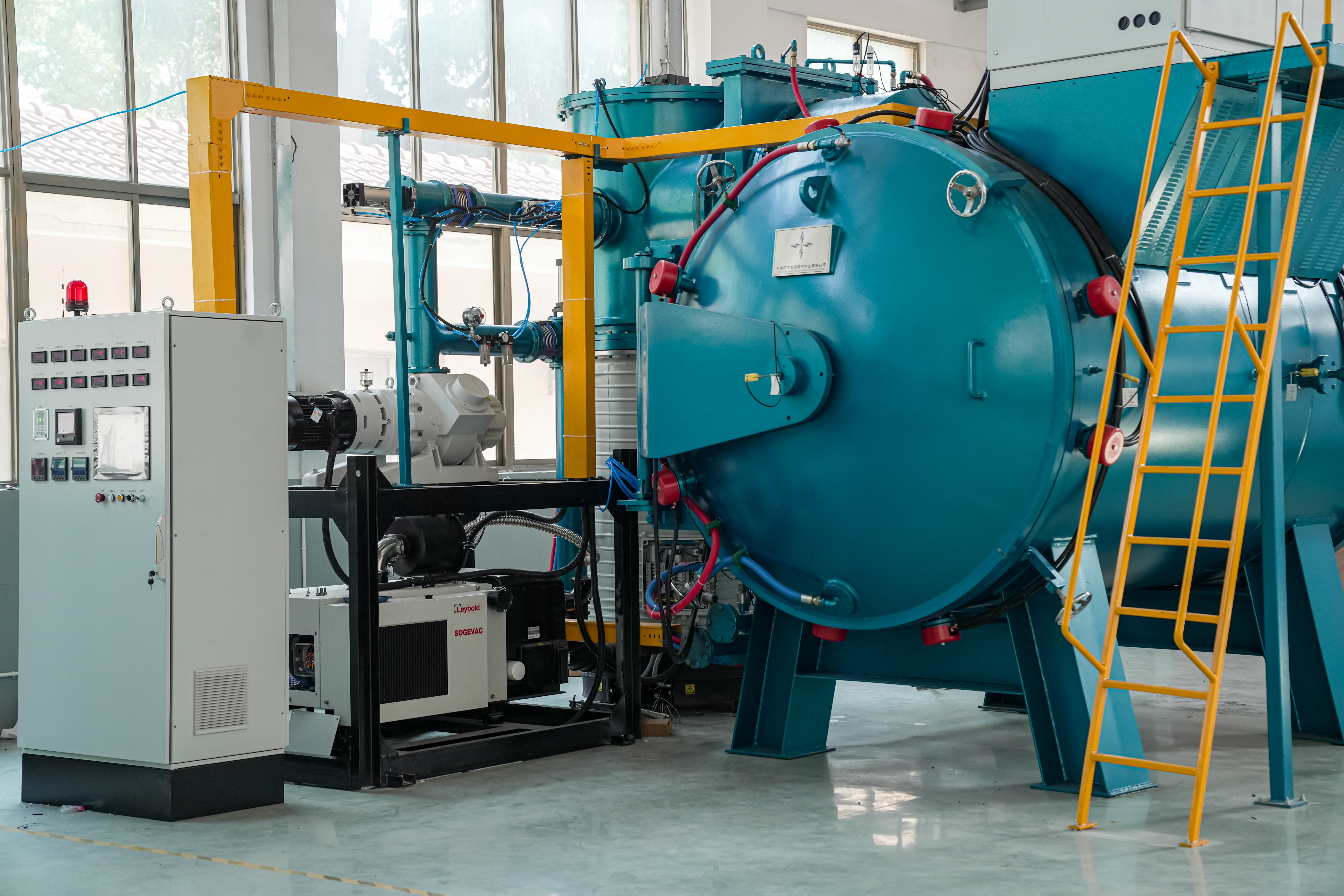
A vacuum brazing furnace represents an advanced heat treatment system specifically designed for joining metal components through high-temperature brazing processes under controlled vacuum conditions. This specialized equipment creates an oxygen-free environment that eliminates oxidation and contamination during the brazing process, resulting in superior joint quality and strength. The vacuum brazing furnace operates by removing air and other gases from the chamber, typically achieving pressures below 10^-4 torr, while precisely controlling temperature profiles that can reach up to 1300°C depending on the materials being processed. The primary functions of a vacuum brazing furnace include creating leak-tight seals, joining dissimilar metals, and producing complex assemblies that require high-strength bonds without the need for flux materials. These furnaces feature sophisticated control systems that monitor and adjust temperature, pressure, and heating rates throughout the brazing cycle. The technological features encompass advanced heating elements, typically using graphite or molybdenum, precise temperature uniformity across the work zone, and rapid cooling capabilities through gas quenching systems. Modern vacuum brazing furnace units incorporate computer-controlled programming that allows operators to create custom heating and cooling profiles for different materials and applications. The applications span across aerospace, automotive, electronics, medical devices, and industrial manufacturing sectors. In aerospace applications, vacuum brazing furnace technology enables the production of critical components such as heat exchangers, turbine blades, and structural assemblies that must withstand extreme operating conditions. The automotive industry utilizes these systems for manufacturing aluminum heat exchangers, transmission components, and electronic control modules. Electronics manufacturers rely on vacuum brazing furnace processes for creating hermetic seals in semiconductor packages and electronic housings. Medical device production benefits from the clean, contamination-free environment that ensures biocompatible joints in surgical instruments and implantable devices.

 EN
EN