Advanced Vacuum Gas Quenching Furnaces - Superior Heat Treatment Solutions for Precision Manufacturing

All Categories

Get a Free Quote

Our representative will contact you soon.
Email
Name
Company Name
Message
0/1000

vacuum gas quenching furnace

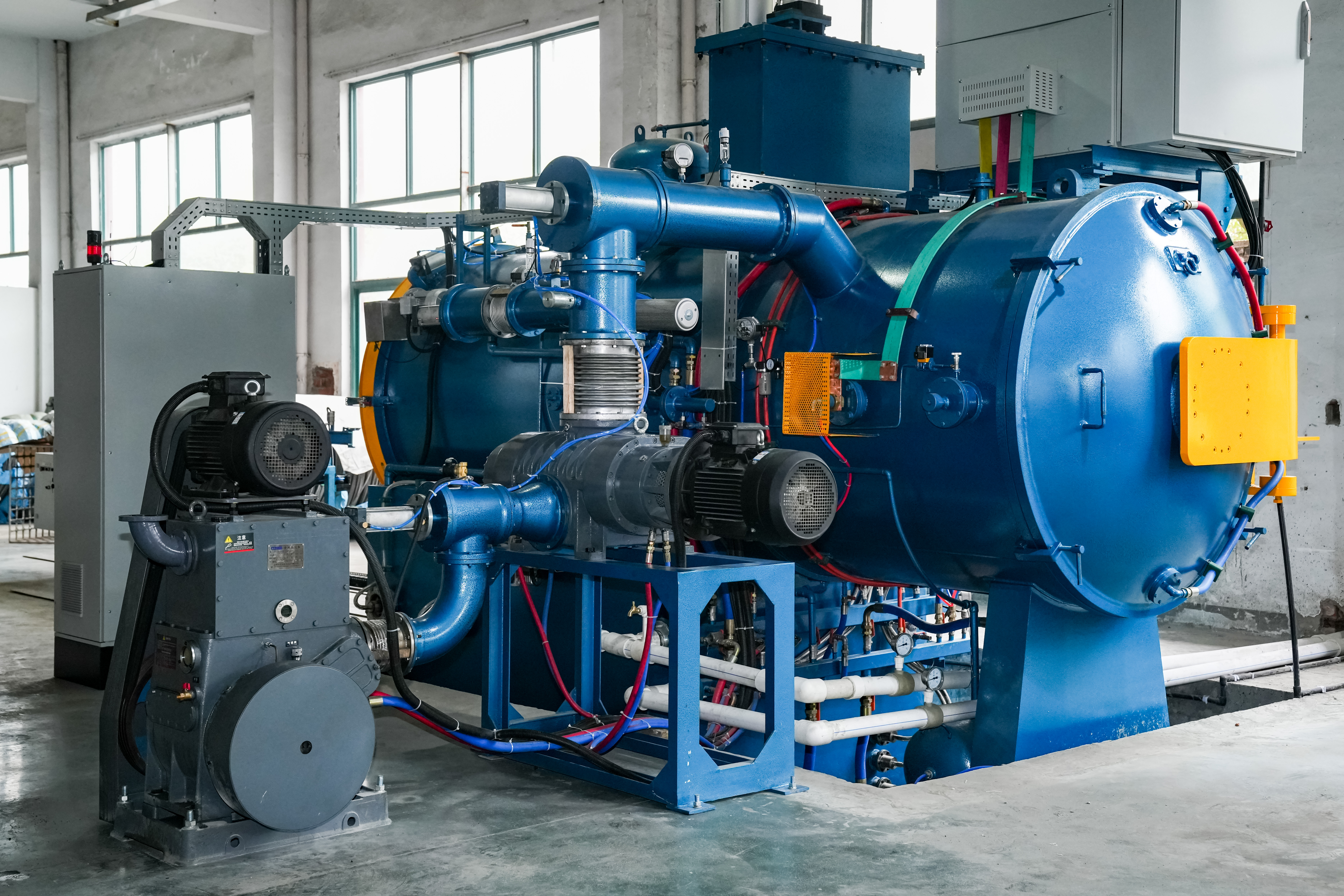
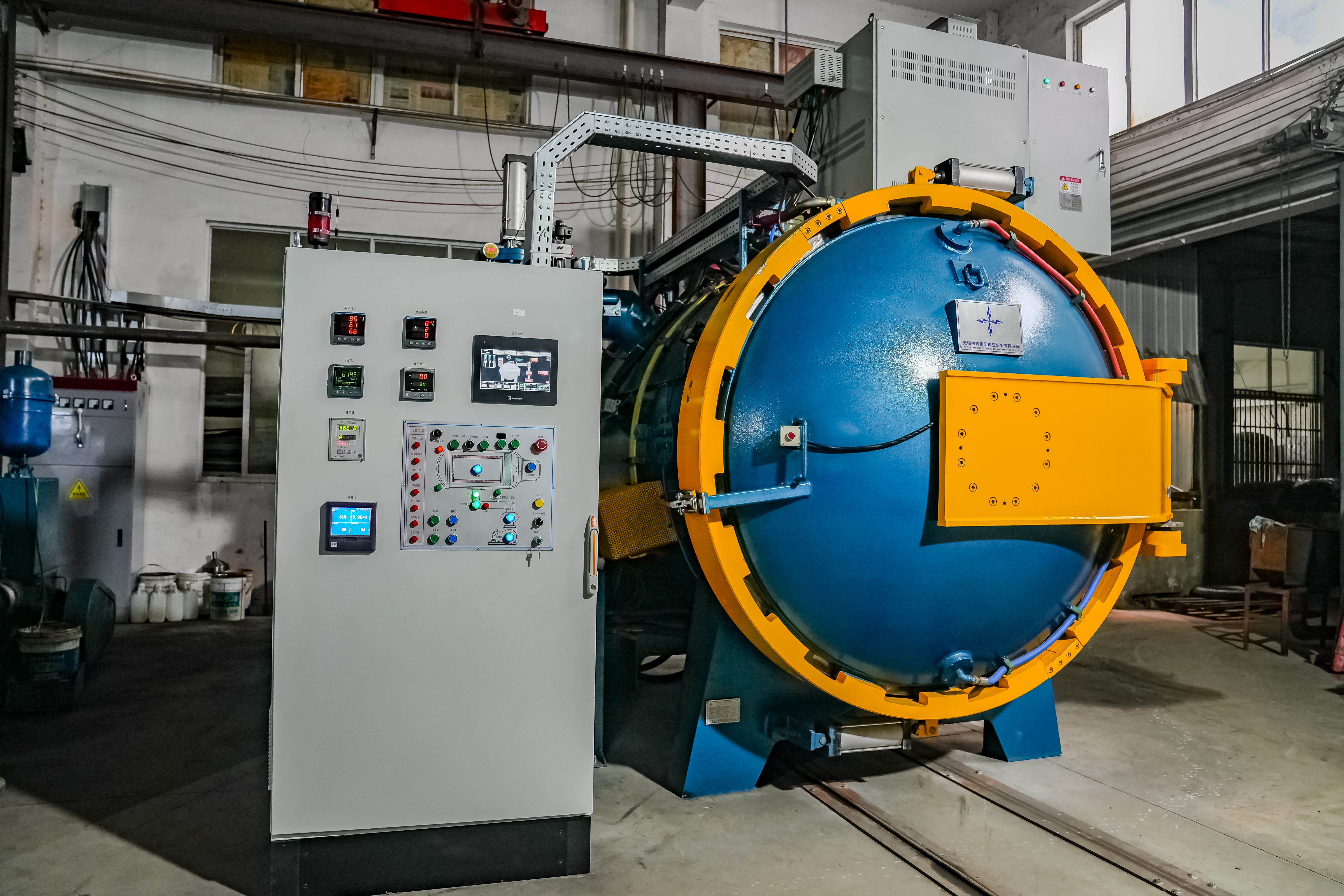
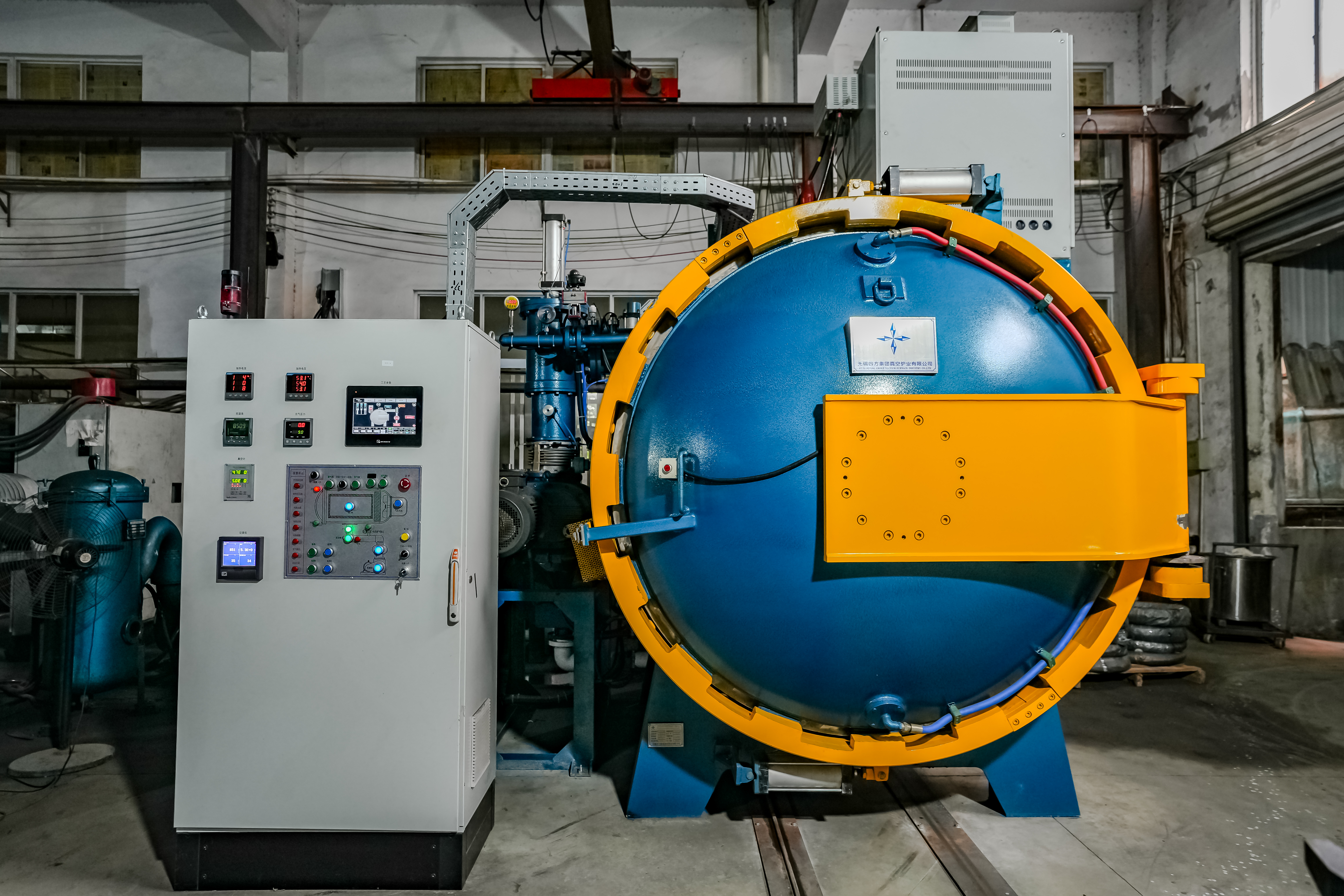
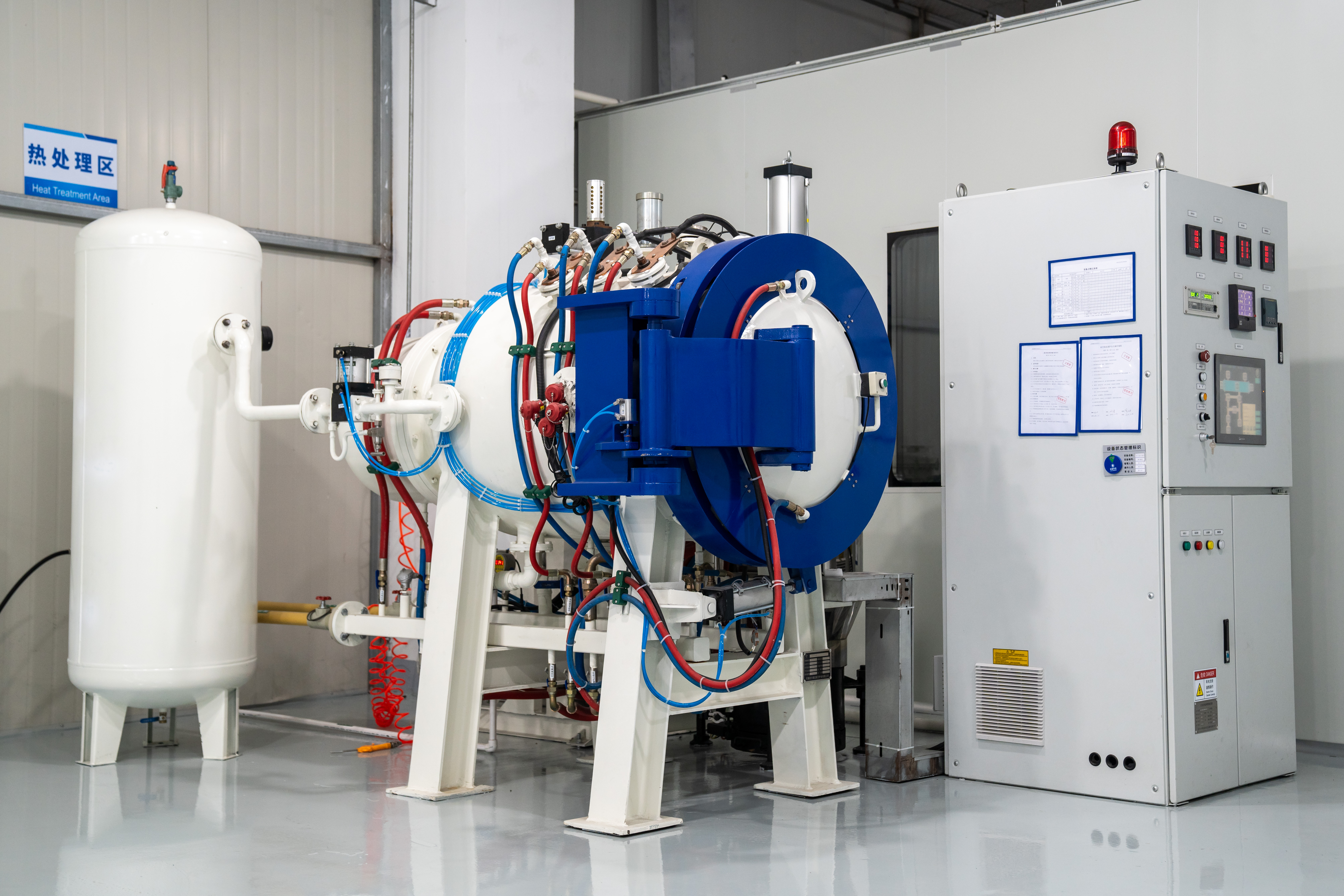
A vacuum gas quenching furnace represents a cutting-edge heat treatment solution that combines precision, efficiency, and superior metallurgical results. This advanced industrial equipment operates by creating a controlled vacuum environment where components undergo heating, followed by rapid cooling using pressurized inert gases. The vacuum gas quenching furnace eliminates atmospheric contamination during the heat treatment process, ensuring consistent and predictable outcomes for critical components. The main functions of this sophisticated system include heating workpieces to precise temperatures, maintaining uniform temperature distribution throughout the chamber, and executing controlled cooling cycles that optimize material properties. The technological features of a vacuum gas quenching furnace encompass advanced temperature control systems, precise vacuum pumping capabilities, and sophisticated gas circulation mechanisms. These furnaces typically feature programmable logic controllers that enable operators to create custom heat treatment cycles tailored to specific material requirements. The heating elements are strategically positioned to ensure uniform temperature distribution, while specialized cooling systems utilize high-pressure gas circulation to achieve rapid and controlled quenching rates. Modern vacuum gas quenching furnaces incorporate advanced monitoring systems that continuously track temperature, pressure, and gas flow parameters, providing real-time feedback for process optimization. The applications for vacuum gas quenching furnaces span across numerous industries, including aerospace, automotive, tool manufacturing, and medical device production. These systems excel in processing high-alloy steels, titanium alloys, superalloys, and other specialized materials that require precise heat treatment protocols. The vacuum environment prevents oxidation and decarburization, making it ideal for treating components that demand superior surface finish and dimensional stability. From turbine blades and gears to surgical instruments and precision tooling, the vacuum gas quenching furnace delivers exceptional results that meet stringent quality standards required by modern manufacturing operations.


New Product Recommendations

The vacuum gas quenching furnace offers numerous compelling advantages that make it an essential investment for manufacturers seeking superior heat treatment results. First and foremost, this advanced system eliminates oxidation and surface contamination that commonly occurs during conventional heat treatment processes. By operating in a controlled vacuum environment, the furnace prevents oxygen and other atmospheric gases from reacting with component surfaces, resulting in bright, clean finishes that require minimal post-processing. This capability significantly reduces manufacturing costs by eliminating secondary cleaning operations and material waste. The precision temperature control offered by vacuum gas quenching furnaces ensures consistent metallurgical properties throughout each batch. Advanced heating elements and sophisticated control systems maintain temperature uniformity within tight tolerances, typically plus or minus five degrees Celsius across the entire work zone. This level of precision translates directly into predictable mechanical properties and reduced rejection rates, improving overall production efficiency and quality assurance protocols. The controlled cooling capabilities of these systems provide manufacturers with unprecedented flexibility in achieving desired material properties. Unlike traditional oil or water quenching methods, gas quenching allows for precise control of cooling rates through variable pressure and flow adjustments. This capability enables operators to optimize hardness, toughness, and dimensional stability for specific applications without compromising other material characteristics. The result is improved component performance and extended service life in demanding applications. Environmental benefits represent another significant advantage of vacuum gas quenching furnaces. These systems eliminate the need for quenching oils and associated disposal costs, reducing environmental impact and workplace safety concerns. The closed-loop gas circulation system minimizes energy consumption while maintaining consistent process parameters, contributing to sustainable manufacturing practices and reduced operational costs. The versatility of vacuum gas quenching furnaces enables manufacturers to process a wide range of materials and component geometries within a single system. From small precision parts to large structural components, these furnaces accommodate diverse production requirements while maintaining consistent quality standards. This flexibility reduces capital equipment needs and simplifies production planning, making it an economically attractive solution for both high-volume and specialized manufacturing operations. Additionally, the automated operation capabilities of modern vacuum gas quenching furnaces minimize labor requirements while ensuring repeatable results, further enhancing productivity and profitability.

Practical Tips

What Applications Benefit Most From Small and Intermediate Steel Drums?

30

Dec

What Applications Benefit Most From Small and Intermediate Steel Drums?

Industrial packaging solutions have evolved significantly over the decades, with small and intermediate steel drums emerging as essential containers for countless applications across diverse sectors. These versatile vessels offer superior protection,...
View More
How Can Inner Coating Steel Drums Extend Shelf Life for Corrosive Products?

23

Jan

How Can Inner Coating Steel Drums Extend Shelf Life for Corrosive Products?

The storage and transportation of corrosive chemicals present significant challenges for industrial operations, requiring specialized containment solutions that can withstand aggressive substances while maintaining product integrity. Inner coating st...
View More
How Do Composite Drums Minimize Leakage Risks in High-Risk Applications?

25

Feb

How Do Composite Drums Minimize Leakage Risks in High-Risk Applications?

Industrial operations handling hazardous chemicals, volatile compounds, and sensitive materials face constant challenges in maintaining containment integrity throughout storage and transportation phases. Traditional packaging solutions often fall sho...
View More
How Does a Vacuum Heat Treatment Furnace Improve Mechanical Properties of Alloys?

25

Feb

How Does a Vacuum Heat Treatment Furnace Improve Mechanical Properties of Alloys?

Modern manufacturing industries rely heavily on advanced heat treatment processes to enhance the mechanical properties of metallic alloys. A vacuum heat treatment furnace represents one of the most sophisticated approaches to achieving superior mater...
View More

Get a Free Quote

Our representative will contact you soon.
Email
Name
Company Name
Message
0/1000

vacuum gas quenching furnace

Superior Surface Quality and Contamination Prevention

Superior Surface Quality and Contamination Prevention

The vacuum gas quenching furnace delivers unmatched surface quality by operating in a controlled, oxygen-free environment that completely eliminates oxidation and decarburization issues common in conventional heat treatment processes. This fundamental advantage stems from the system's ability to create and maintain vacuum conditions typically ranging from 10^-3 to 10^-5 mbar, effectively removing all atmospheric gases that could react with component surfaces during heating cycles. The absence of oxygen prevents the formation of oxide scales that typically require costly removal through shot blasting, pickling, or machining operations. Components emerge from the vacuum gas quenching furnace with bright, clean surfaces that maintain precise dimensional tolerances and superior surface finish characteristics. This capability proves particularly valuable when processing high-value components such as aerospace turbine blades, medical implants, and precision tooling where surface integrity directly impacts performance and service life. The contamination prevention extends beyond simple oxidation control to include elimination of other atmospheric impurities such as nitrogen, hydrogen, and carbon-bearing gases that can alter surface chemistry and compromise material properties. For manufacturers working with reactive materials like titanium alloys or specialized superalloys, this contamination-free processing environment represents the difference between acceptable and superior component quality. The economic impact of this surface quality advantage cannot be overstated, as it eliminates secondary processing operations, reduces material waste, and improves first-pass yield rates. Manufacturers report significant cost savings through reduced finishing operations and improved component acceptance rates when switching from conventional heat treatment methods to vacuum gas quenching furnaces. Furthermore, the consistent surface quality achieved through vacuum processing enhances coating adhesion for components requiring subsequent surface treatments, improving overall product performance and customer satisfaction. This superior surface quality capability makes the vacuum gas quenching furnace an indispensable tool for manufacturers committed to delivering premium-quality components that meet the most demanding specifications and performance requirements in today's competitive marketplace.
Precise Temperature Control and Uniform Heating Distribution

Precise Temperature Control and Uniform Heating Distribution

The vacuum gas quenching furnace incorporates sophisticated temperature control technologies that deliver exceptional heating uniformity and precision across the entire work zone, ensuring consistent metallurgical properties in every processed component. Advanced heating element configurations, typically utilizing graphite or molybdenum resistance heaters, provide controlled energy input that eliminates hot spots and temperature variations common in conventional furnace designs. The vacuum environment enhances heat transfer efficiency by eliminating convective losses and enabling pure radiant heating that penetrates uniformly throughout component geometries. Modern vacuum gas quenching furnaces feature multi-zone temperature control systems with independent regulation capabilities that compensate for thermal mass variations and component placement within the furnace chamber. These systems utilize precision thermocouples strategically positioned throughout the work zone to continuously monitor temperature distribution and automatically adjust heating element output to maintain uniformity within plus or minus five degrees Celsius. This level of temperature control precision enables manufacturers to achieve consistent hardness values, grain structures, and mechanical properties that meet stringent aerospace, automotive, and medical device specifications. The programmable logic controllers integrated into vacuum gas quenching furnaces allow operators to create custom heating profiles that optimize phase transformations for specific alloy compositions and component geometries. These sophisticated control systems can execute complex multi-step heating cycles with precise time and temperature relationships that maximize material performance while minimizing thermal stress and distortion. The ability to program and repeat exact heating cycles ensures batch-to-batch consistency that traditional furnace systems cannot match. The uniform heating distribution capability of vacuum gas quenching furnaces proves particularly valuable when processing large batches of components with varying sizes and thermal masses. The radiant heating mechanism and controlled atmosphere ensure that small and large parts receive identical thermal treatment, eliminating the need for segregation and multiple processing cycles. This capability significantly improves production efficiency while maintaining quality consistency across diverse component geometries. The temperature control precision also enables manufacturers to optimize energy consumption by eliminating overheating and unnecessary temperature cycling, contributing to reduced operational costs and improved environmental sustainability.
Flexible and Controlled Cooling Capabilities with Gas Quenching

Flexible and Controlled Cooling Capabilities with Gas Quenching

The vacuum gas quenching furnace revolutionizes the cooling phase of heat treatment through its sophisticated gas quenching system that provides unprecedented control over cooling rates and temperature gradients within processed components. Unlike traditional liquid quenching methods that offer limited control and can cause thermal shock, the gas quenching system utilizes high-pressure inert gases, typically nitrogen or argon, circulated at precisely controlled velocities to achieve optimal cooling characteristics for each specific application. The gas quenching process begins immediately after the heating cycle, with the furnace chamber rapidly filling with pressurized gas that circulates through carefully designed flow patterns to ensure uniform cooling across all component surfaces. The system allows operators to adjust gas pressure from atmospheric to over 20 bar, while simultaneously controlling circulation fan speeds to fine-tune cooling rates according to material requirements and component geometry. This flexibility enables manufacturers to achieve cooling rates ranging from slow air cooling to rapid quenching that approaches liquid quenching speeds, all while maintaining precise control throughout the process. The controlled cooling capability proves essential when processing complex geometries or materials prone to cracking and distortion during rapid temperature changes. By adjusting gas pressure and circulation patterns, operators can create specific temperature gradients that minimize thermal stress while achieving desired metallurgical transformations. This capability is particularly valuable for large components, thin sections, or parts with varying cross-sections that require different cooling rates in different areas to prevent warping or cracking. The gas quenching system also offers significant safety and environmental advantages compared to traditional oil or polymer quenching methods. The elimination of flammable quenching media reduces fire hazards and eliminates disposal costs associated with contaminated quenching fluids. The closed-loop gas circulation system recovers and reuses the quenching gas, minimizing operating costs while maintaining consistent process parameters throughout extended production runs. Additionally, the computer-controlled gas quenching system provides detailed process documentation and repeatability that ensures consistent results and simplifies quality control procedures. The flexibility extends to the ability to create custom cooling profiles that optimize specific material properties, such as achieving maximum hardness in wear-critical areas while maintaining toughness in stress-bearing regions, making the vacuum gas quenching furnace an invaluable tool for advanced manufacturing applications.

Get a Free Quote

Our representative will contact you soon.
Email
Name
Company Name
Message
0/1000