Industrial Vacuum Heat Treatment Equipment - Advanced Thermal Processing Solutions

All Categories

Get a Free Quote

Our representative will contact you soon.
Email
Name
Company Name
Message
0/1000

industrial vacuum heat treatment equipment

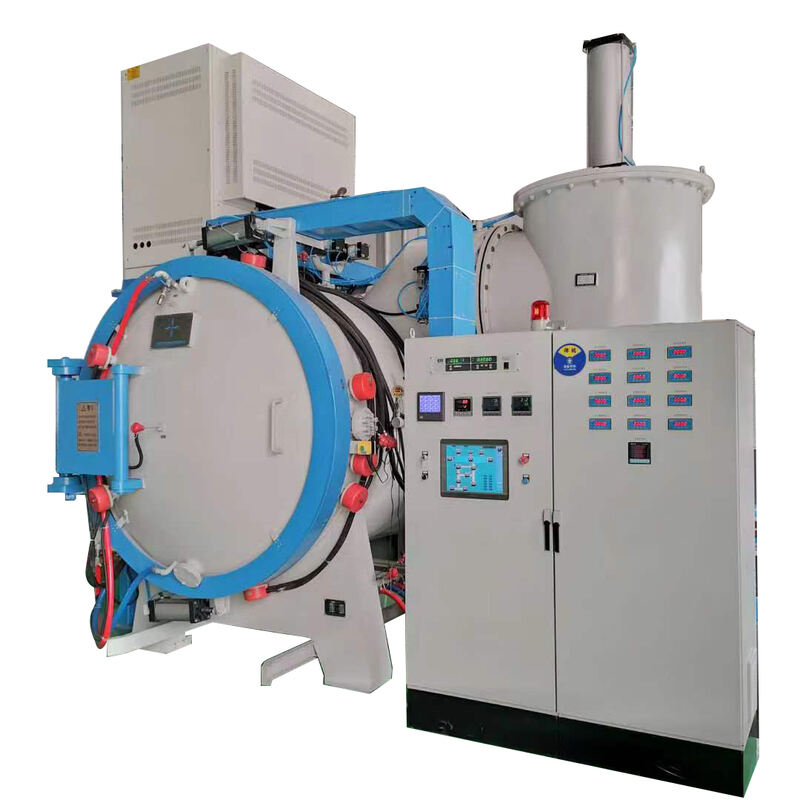
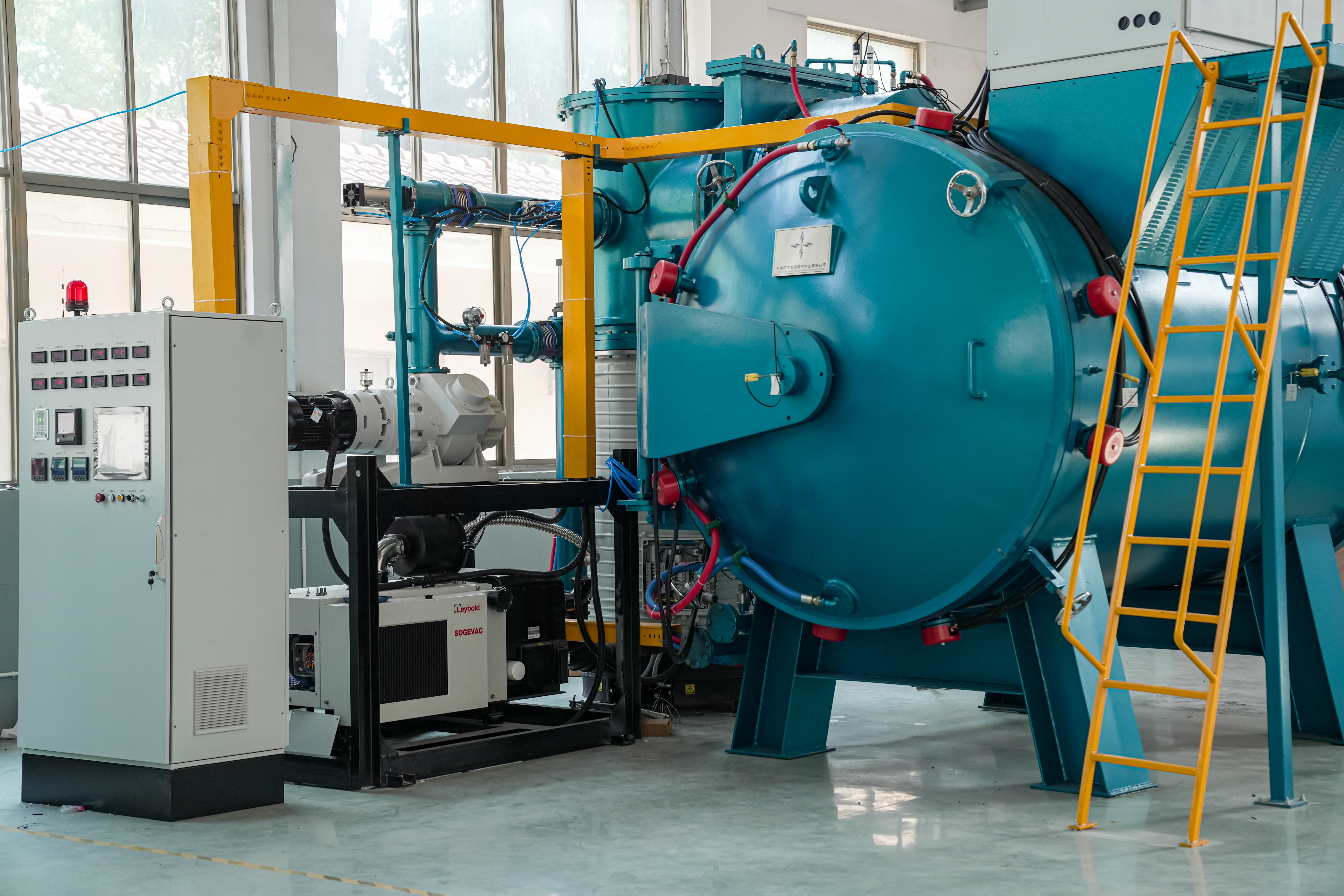
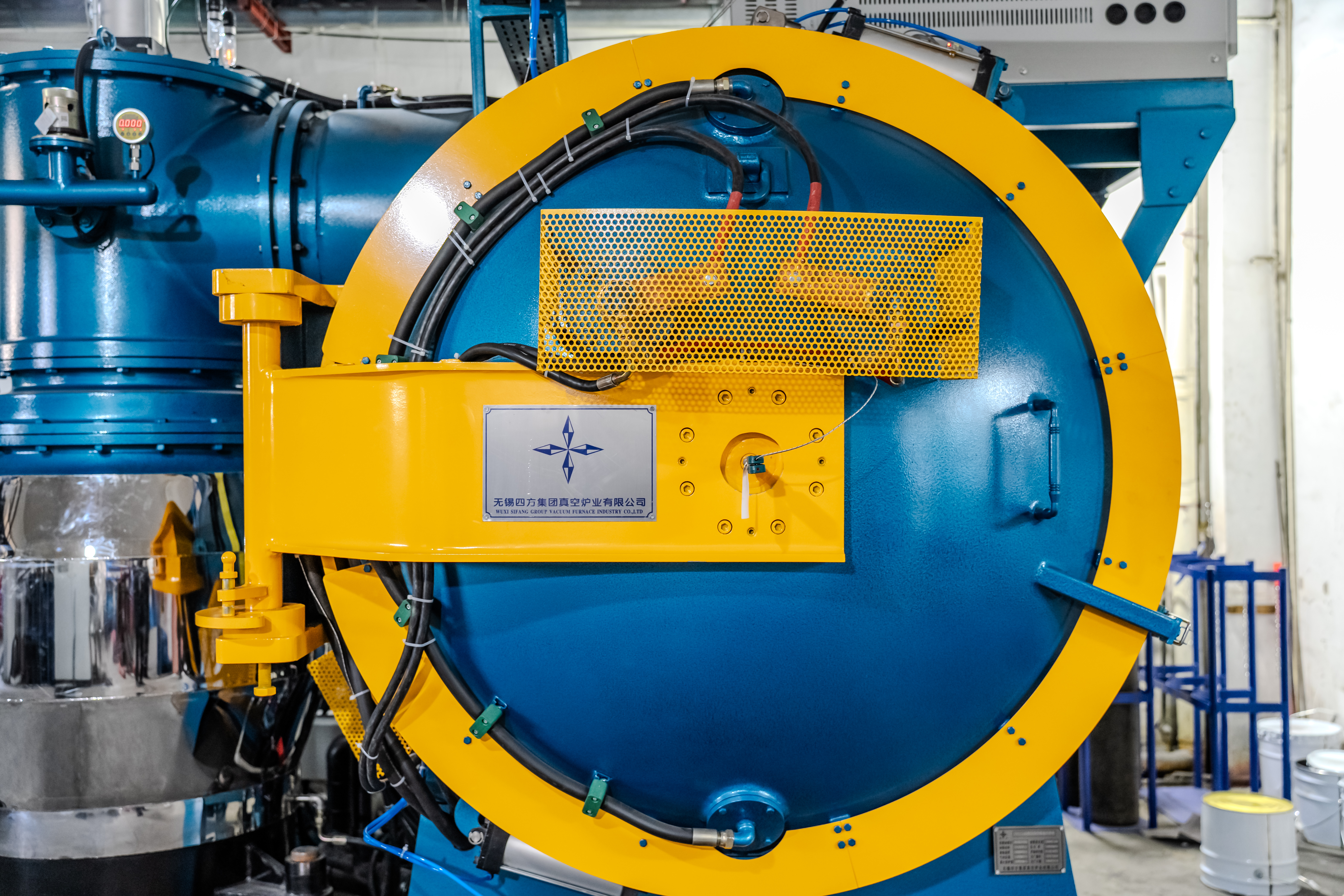
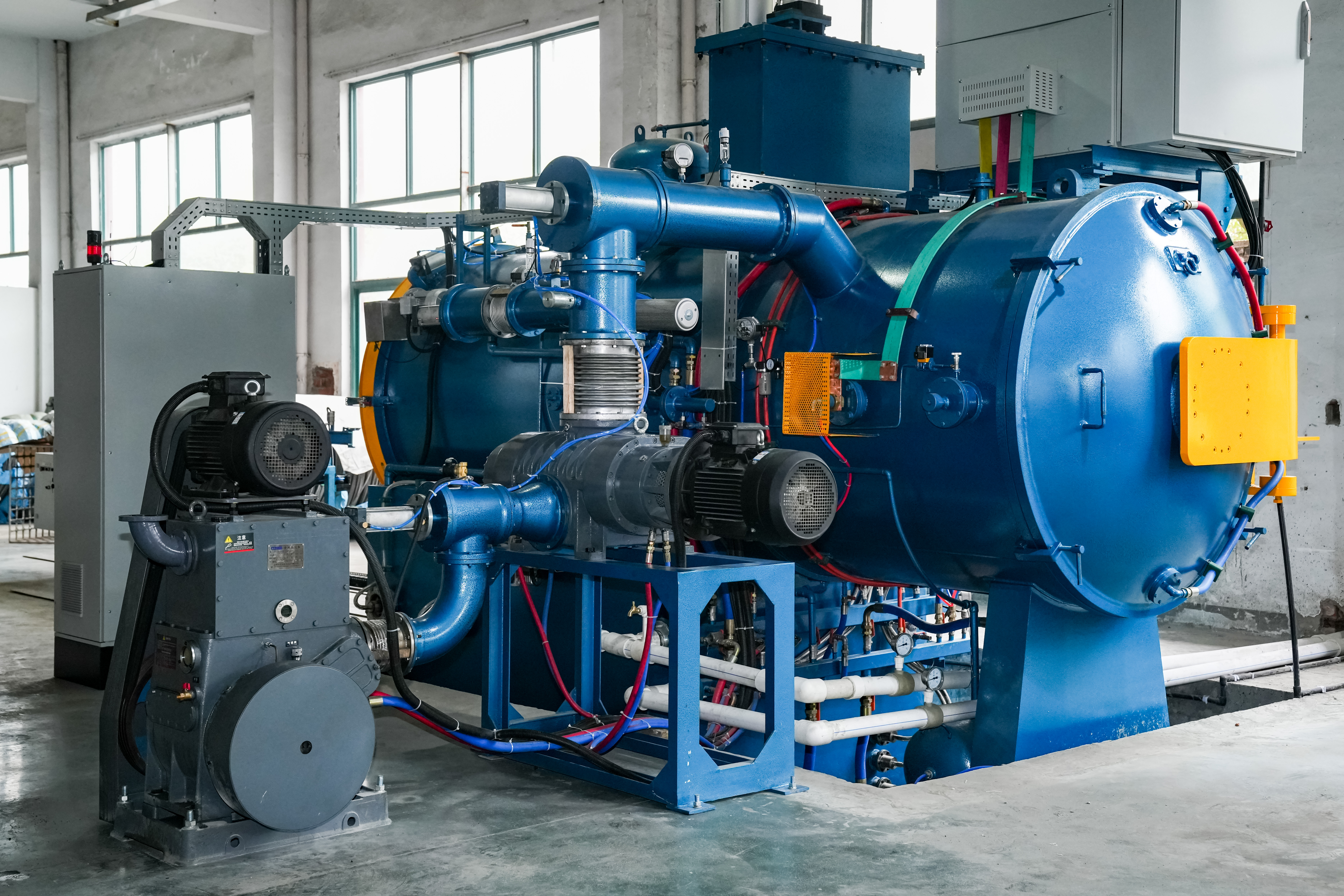
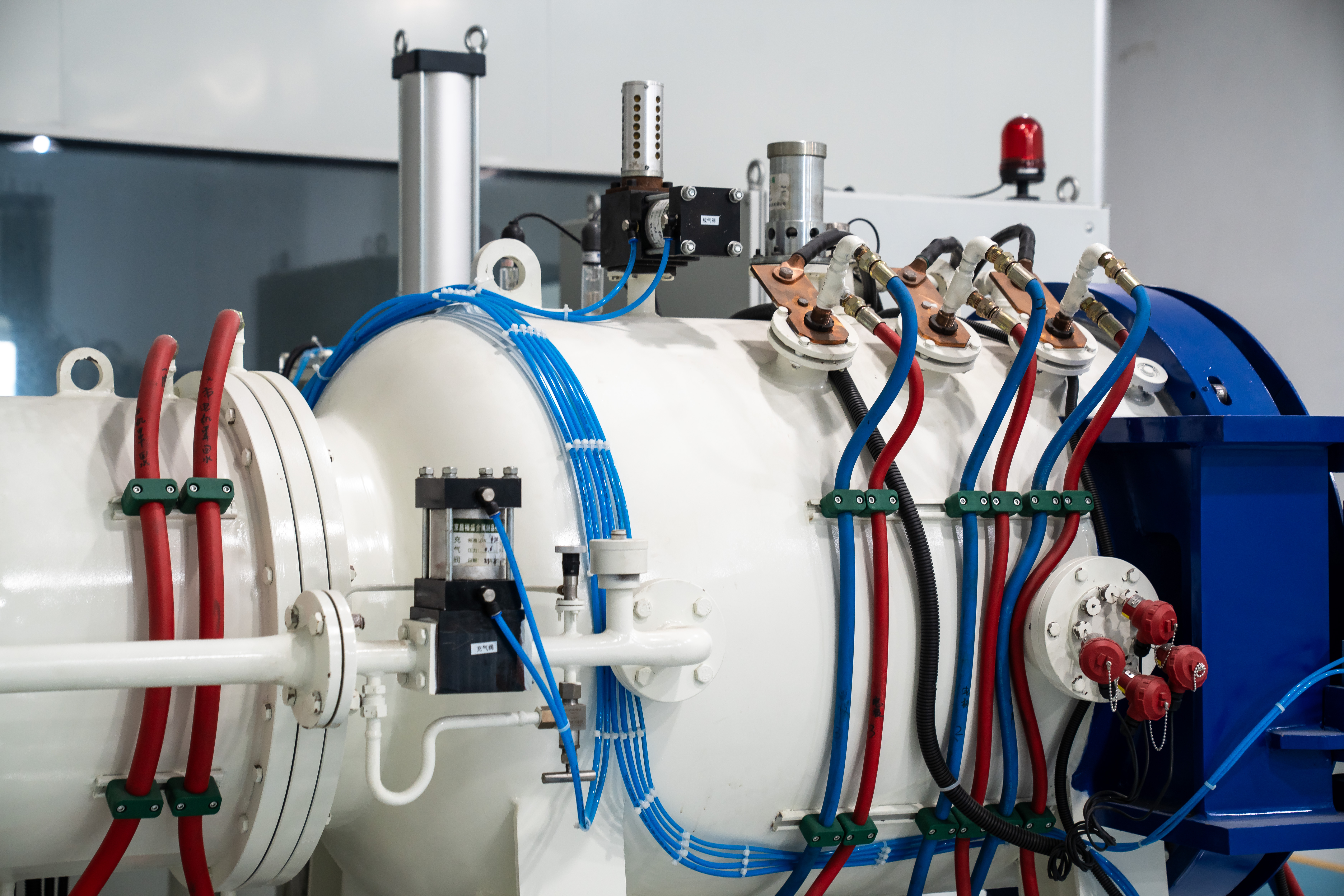
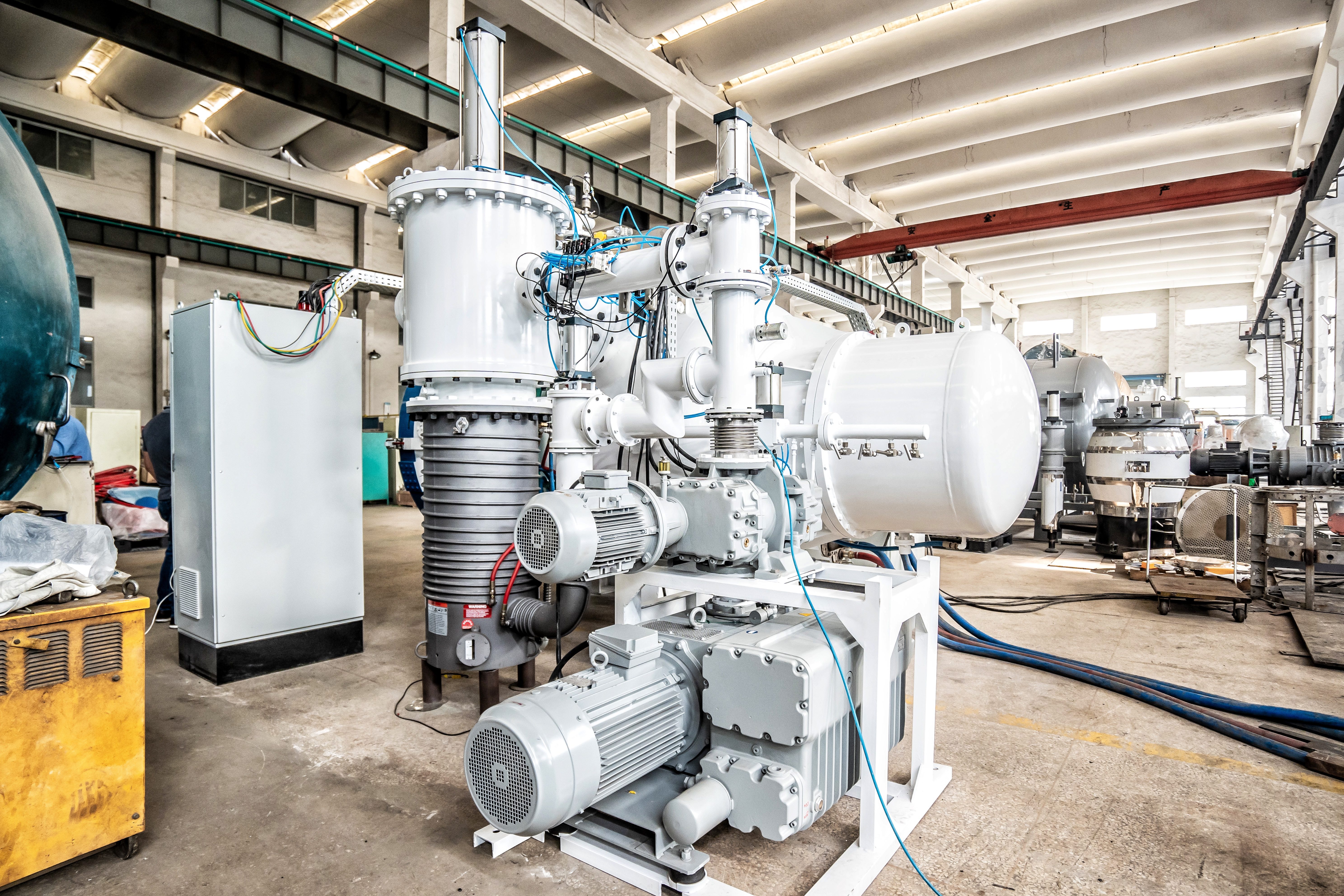
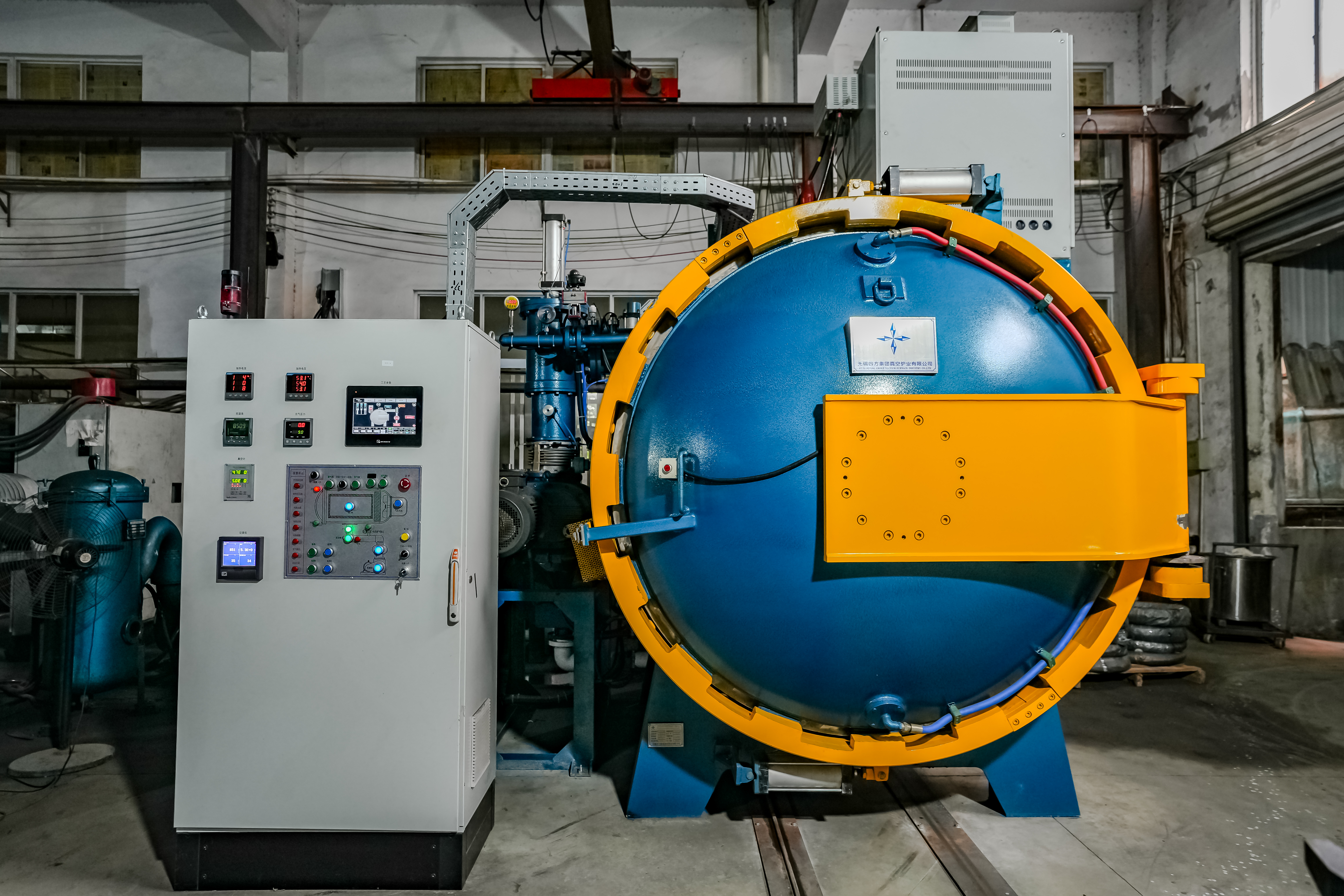
Industrial vacuum heat treatment equipment represents a critical technology in modern manufacturing, offering precise thermal processing capabilities under controlled atmospheric conditions. This sophisticated machinery operates by creating a vacuum environment where materials undergo heating, cooling, and other thermal processes without exposure to oxygen or other reactive gases. The primary function of industrial vacuum heat treatment equipment involves transforming the metallurgical properties of materials through controlled temperature manipulation in oxygen-free environments. These systems excel at hardening, tempering, annealing, and stress relieving various metals and alloys while preventing oxidation and decarburization. The technological features of industrial vacuum heat treatment equipment include advanced temperature control systems, sophisticated vacuum pumping mechanisms, and programmable process controllers that ensure consistent results. Modern units incorporate multi-zone heating elements, rapid cooling capabilities, and integrated monitoring systems that track temperature uniformity throughout the treatment chamber. These machines feature robust construction with high-quality refractory materials, precision-engineered heating elements, and sophisticated gas quenching systems that enable rapid cooling when required. The applications of industrial vacuum heat treatment equipment span across aerospace, automotive, tooling, medical device manufacturing, and precision engineering sectors. Aerospace components benefit from the superior surface finish and dimensional stability achieved through vacuum processing, while automotive parts gain enhanced durability and performance characteristics. Tool manufacturers rely on these systems to produce cutting tools with exceptional hardness and wear resistance, while medical device producers utilize vacuum heat treatment to achieve biocompatible surface properties. The equipment handles various materials including high-speed steels, stainless steels, titanium alloys, and specialized superalloys that require precise thermal processing to achieve desired mechanical properties.


Popular Products

Industrial vacuum heat treatment equipment delivers exceptional advantages that transform manufacturing processes and product quality across multiple industries. The primary benefit lies in superior surface quality preservation, as the vacuum environment eliminates oxidation and scaling that typically occurs during conventional heat treatment processes. This oxygen-free atmosphere ensures that treated components maintain their original surface finish, eliminating costly post-processing operations and reducing material waste. Manufacturers experience significant cost savings through reduced secondary machining requirements and improved yield rates. The precise temperature control capabilities of industrial vacuum heat treatment equipment enable manufacturers to achieve consistent metallurgical properties throughout entire production batches. Advanced control systems maintain temperature uniformity within tight tolerances, ensuring that every component receives identical treatment parameters. This consistency translates to predictable mechanical properties, reduced quality variations, and enhanced product reliability. Manufacturing operations benefit from improved process repeatability, which streamlines quality assurance procedures and reduces inspection requirements. Energy efficiency represents another compelling advantage of industrial vacuum heat treatment equipment, as these systems optimize thermal energy utilization through advanced insulation and heat recovery mechanisms. The controlled atmosphere reduces energy losses associated with oxidation reactions, while programmable heating profiles minimize unnecessary energy consumption. Operators can schedule treatment cycles during off-peak energy periods, further reducing operational costs. Environmental benefits emerge from the elimination of protective atmospheres that require continuous gas consumption, reducing both material costs and environmental impact. The versatility of industrial vacuum heat treatment equipment allows manufacturers to process diverse materials within a single system, maximizing equipment utilization and reducing capital investment requirements. These systems accommodate various part geometries, from small precision components to large structural elements, providing flexibility for changing production demands. Quick changeover capabilities between different treatment cycles enable efficient scheduling and reduced downtime. Improved workplace safety results from the enclosed processing environment, which eliminates exposure to high-temperature flames and hazardous gases commonly associated with conventional furnaces.

Practical Tips

What Makes a Metal Barrel Suitable for High-Temperature Applications?

26

Dec

What Makes a Metal Barrel Suitable for High-Temperature Applications?

Industrial applications requiring extreme heat resistance demand specialized equipment that can withstand temperatures often exceeding 1000°C. Metal barrels and chambers used in these high-temperature environments must possess exceptional thermal...
View More
How Does a Vacuum Brazing Furnace Improve the Strength of Metal Joints?

25

Feb

How Does a Vacuum Brazing Furnace Improve the Strength of Metal Joints?

Metal joining technologies have evolved significantly over the decades, with brazing standing out as one of the most reliable methods for creating strong, permanent connections between dissimilar materials. The advent of vacuum brazing furnace techno...
View More
Why Is a Vacuum Brazing Furnace Critical for High-Precision Component Manufacturing?

25

Feb

Why Is a Vacuum Brazing Furnace Critical for High-Precision Component Manufacturing?

High-precision component manufacturing demands exceptional joining techniques that maintain material integrity while delivering reliable, leak-proof connections. A vacuum brazing furnace represents the pinnacle of advanced thermal processing technolo...
View More
How Does a Vacuum Heat Treatment Furnace Improve Mechanical Properties of Alloys?

25

Feb

How Does a Vacuum Heat Treatment Furnace Improve Mechanical Properties of Alloys?

Modern manufacturing industries rely heavily on advanced heat treatment processes to enhance the mechanical properties of metallic alloys. A vacuum heat treatment furnace represents one of the most sophisticated approaches to achieving superior mater...
View More

Get a Free Quote

Our representative will contact you soon.
Email
Name
Company Name
Message
0/1000

industrial vacuum heat treatment equipment

Advanced Temperature Uniformity Control

Advanced Temperature Uniformity Control

The advanced temperature uniformity control system represents the cornerstone technology that sets industrial vacuum heat treatment equipment apart from conventional thermal processing solutions. This sophisticated feature ensures precise temperature distribution throughout the entire treatment chamber, eliminating hot spots and cold zones that can compromise part quality and consistency. The system employs multiple temperature sensors strategically positioned throughout the heating zone, continuously monitoring thermal conditions and providing real-time feedback to the control system. Advanced algorithms process this temperature data and automatically adjust heating element power distribution to maintain uniform thermal conditions across the entire workload. This technology becomes particularly crucial when processing large batches or components with varying thermal masses, where traditional furnaces often struggle to maintain consistent temperatures. The precision achieved through this control system directly translates to improved metallurgical properties, as every component within the treatment chamber experiences identical thermal exposure. Manufacturers benefit from reduced quality variations, enhanced product reliability, and decreased rejection rates. The system's ability to maintain temperature uniformity within plus or minus five degrees Celsius ensures that critical aerospace components, medical devices, and precision tooling achieve consistent hardness, strength, and dimensional stability. This level of control enables manufacturers to meet stringent industry specifications and regulatory requirements while optimizing production efficiency. The automated nature of the temperature uniformity control system reduces operator intervention requirements, minimizing human error and ensuring consistent results across different shifts and operators. Long-term benefits include reduced warranty claims, improved customer satisfaction, and enhanced reputation for quality manufacturing. The technology also enables manufacturers to process materials with tight metallurgical tolerances that would be impossible to achieve with conventional heat treatment methods, opening new market opportunities and applications.
Complete Atmospheric Control and Contamination Prevention

Complete Atmospheric Control and Contamination Prevention

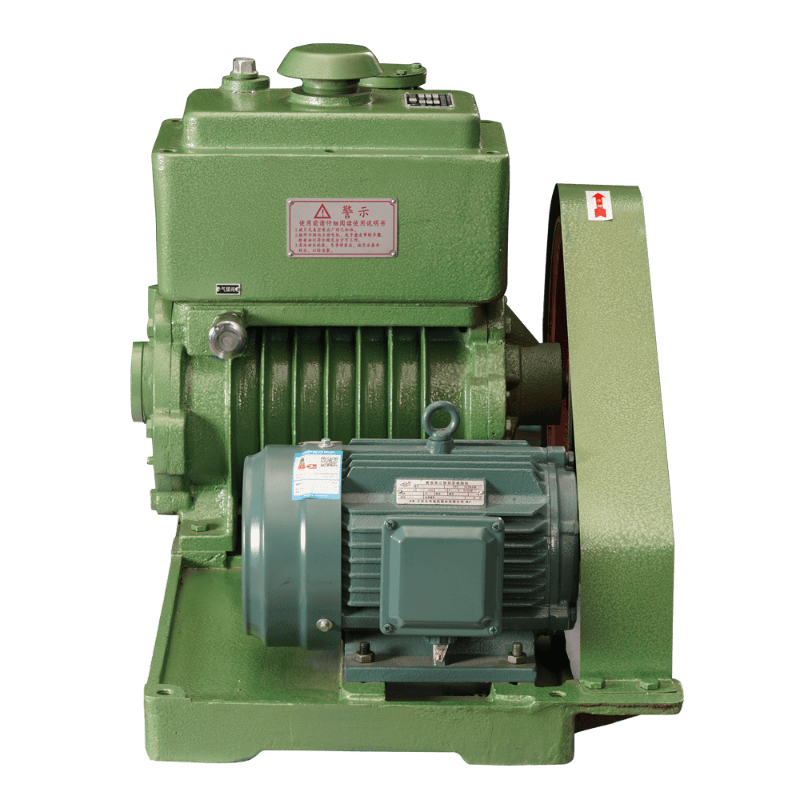
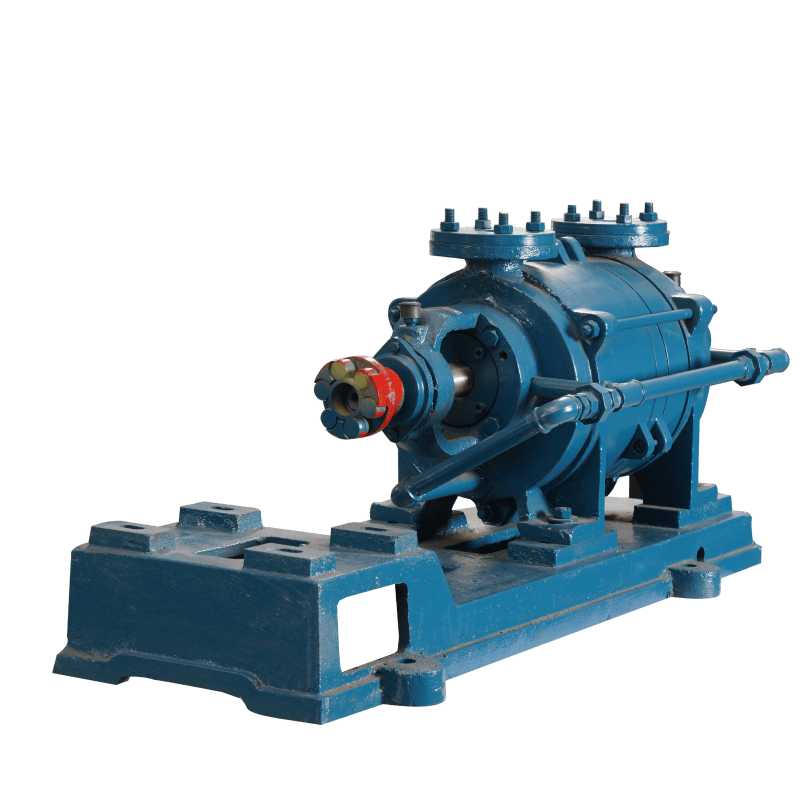
Complete atmospheric control and contamination prevention capabilities distinguish industrial vacuum heat treatment equipment as the premier choice for high-quality thermal processing applications. This comprehensive system creates and maintains ultra-clean processing environments by eliminating atmospheric contaminants that can adversely affect material properties during heat treatment cycles. The vacuum chamber design incorporates high-performance pumping systems that achieve deep vacuum levels, removing oxygen, moisture, and other reactive gases that cause oxidation, decarburization, and surface contamination. This controlled atmosphere preservation ensures that treated components maintain their original surface integrity without the formation of oxide scales or decarburized layers that require subsequent removal. The contamination prevention system extends beyond simple vacuum creation, incorporating sophisticated leak detection mechanisms and chamber purging protocols that guarantee atmospheric purity throughout the entire treatment cycle. Advanced monitoring systems continuously track vacuum levels, gas composition, and chamber cleanliness, providing operators with real-time feedback on atmospheric conditions. This level of control becomes essential when processing high-value components such as aerospace turbine blades, medical implants, and precision cutting tools that demand pristine surface conditions. The atmospheric control system enables manufacturers to process reactive materials like titanium alloys and superalloys that readily oxidize in conventional furnaces, expanding their capabilities to serve demanding markets. Cost benefits emerge through the elimination of protective atmosphere gases, post-processing cleaning operations, and material losses associated with surface contamination. The system's ability to prevent contamination also extends component service life, reducing replacement frequency and maintenance costs for end-users. Environmental advantages include reduced chemical waste generation and lower emissions compared to conventional furnaces that require continuous protective gas flow. The contamination prevention capabilities enable manufacturers to achieve surface finishes and cleanliness levels that meet stringent industry standards for aerospace, medical, and semiconductor applications, providing competitive advantages in high-value markets.
Energy Efficiency and Process Optimization

Energy Efficiency and Process Optimization

Energy efficiency and process optimization features position industrial vacuum heat treatment equipment as a sustainable and cost-effective solution for modern manufacturing operations. The sophisticated thermal management system maximizes energy utilization through advanced insulation technologies, heat recovery mechanisms, and intelligent heating strategies that minimize energy consumption while maintaining superior processing performance. Multi-layer ceramic fiber insulation systems reduce heat losses to external environments, while thermal barriers prevent energy transfer to non-critical system components. Heat recovery systems capture and redirect thermal energy from cooling cycles, preheating incoming components and reducing overall energy requirements. Programmable heating profiles optimize energy consumption by eliminating unnecessary temperature overshoot and reducing thermal cycling time. Smart control algorithms analyze part geometry, material properties, and treatment requirements to determine optimal heating strategies that minimize energy use while achieving required metallurgical results. The vacuum environment itself contributes to energy efficiency by eliminating heat losses associated with convective cooling and reducing the thermal mass that must be heated during each cycle. Variable power heating elements adjust energy output based on real-time temperature feedback, preventing energy waste from excessive heating. Process optimization extends beyond energy management to include cycle time reduction, improved throughput, and enhanced productivity. Rapid heating capabilities reduce processing times, while efficient cooling systems enable faster turnaround between treatment cycles. Automated loading and unloading systems minimize downtime and maximize equipment utilization. The optimization features enable manufacturers to schedule production runs during off-peak energy periods, taking advantage of reduced utility rates and contributing to grid stability. Long-term operational benefits include reduced carbon footprint, lower utility costs, and improved sustainability metrics that meet corporate environmental goals. The energy efficiency achievements often result in payback periods of less than three years through reduced operational costs, while simultaneously improving product quality and process consistency. These optimization capabilities provide manufacturers with competitive advantages through reduced production costs and improved profit margins.

Get a Free Quote

Our representative will contact you soon.
Email
Name
Company Name
Message
0/1000