vacuum furnace heat treatment process
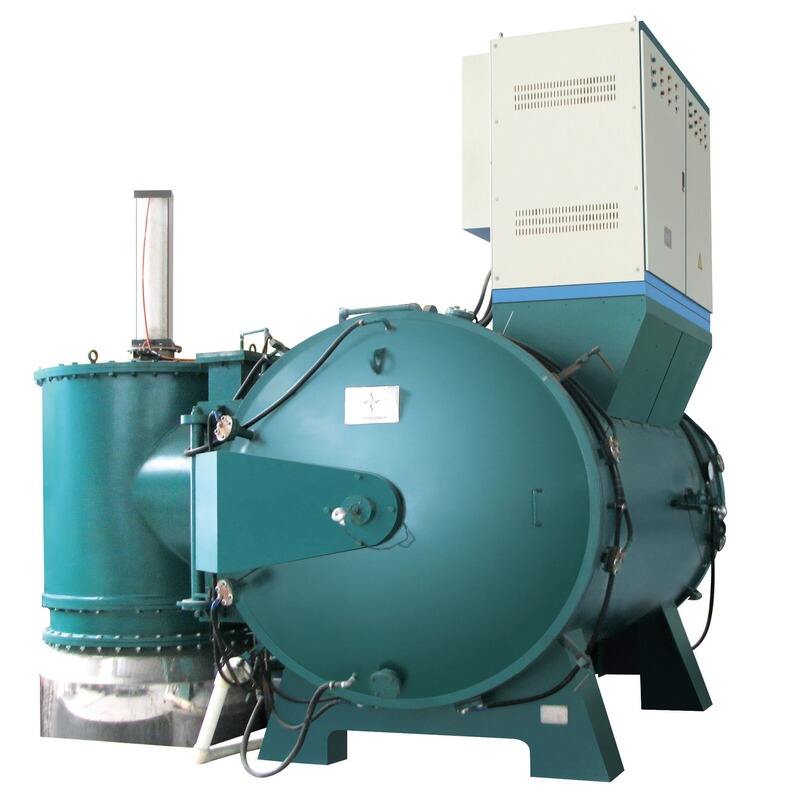
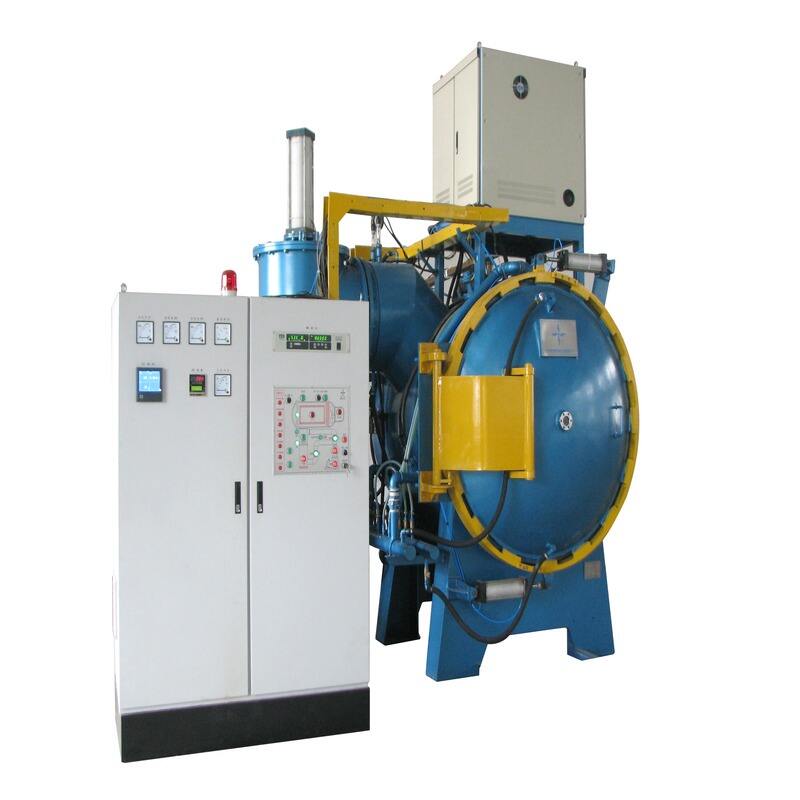
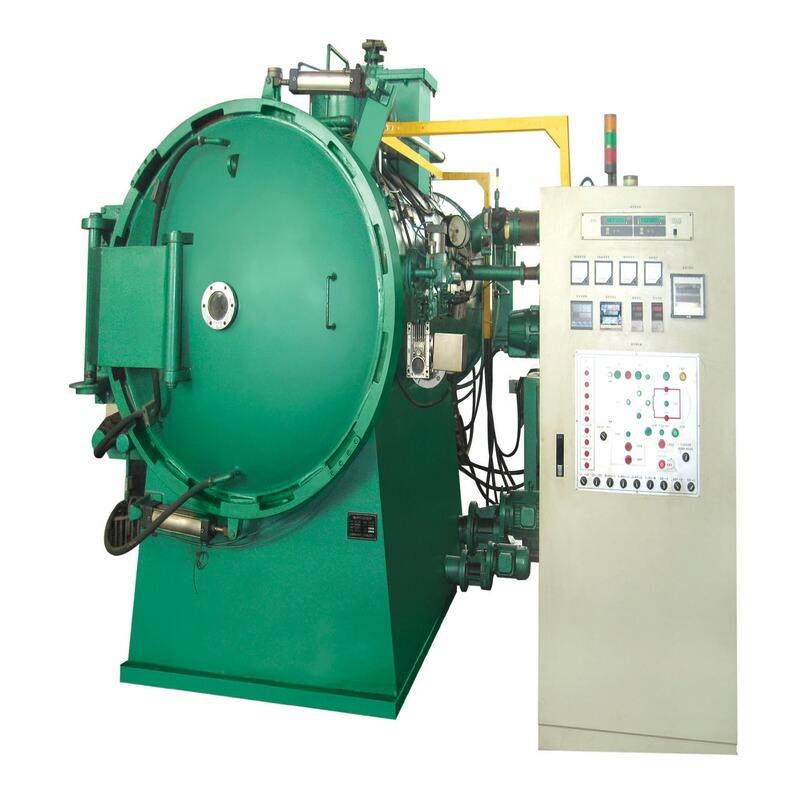
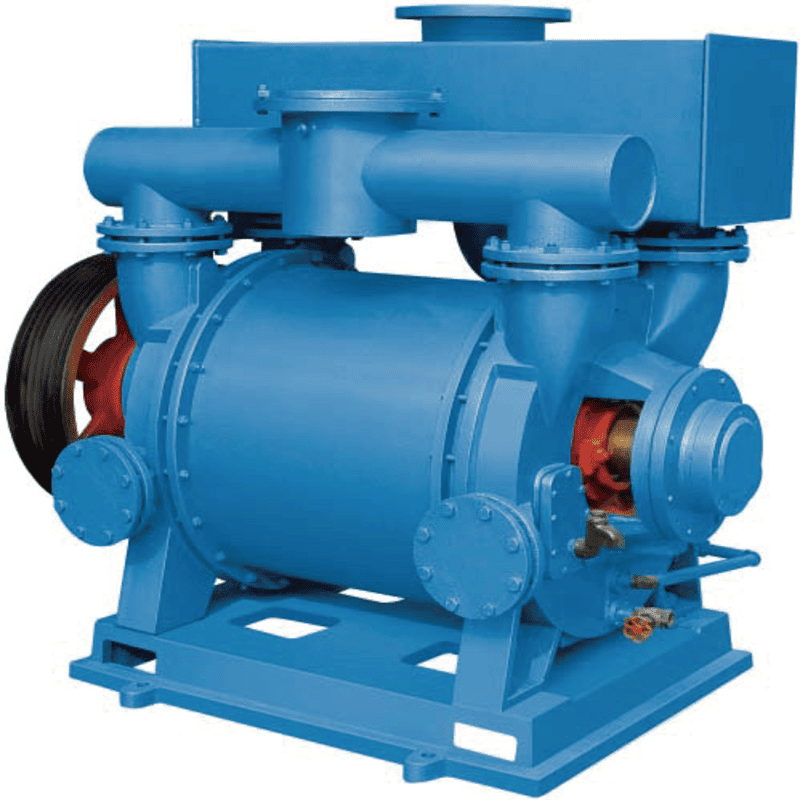
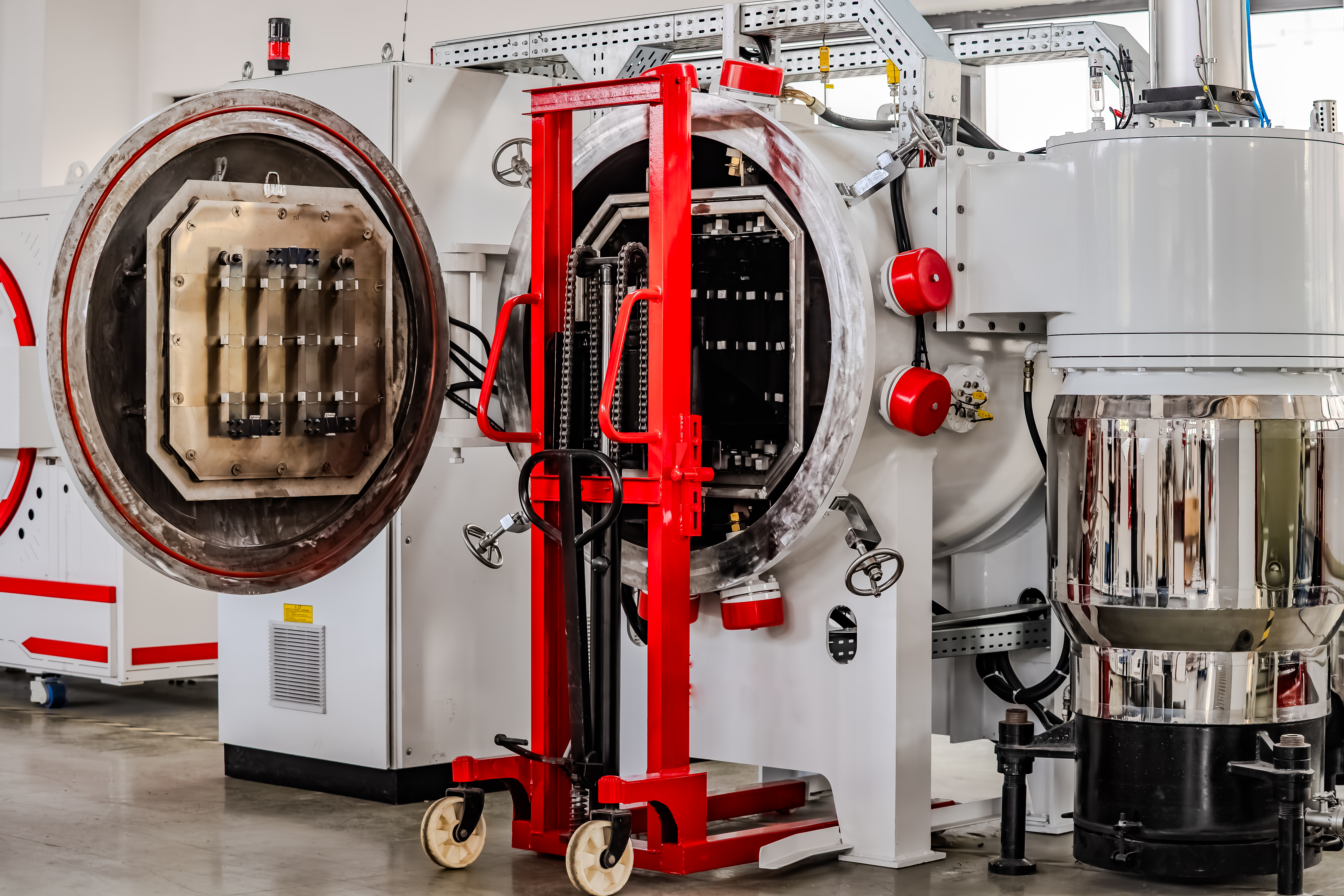
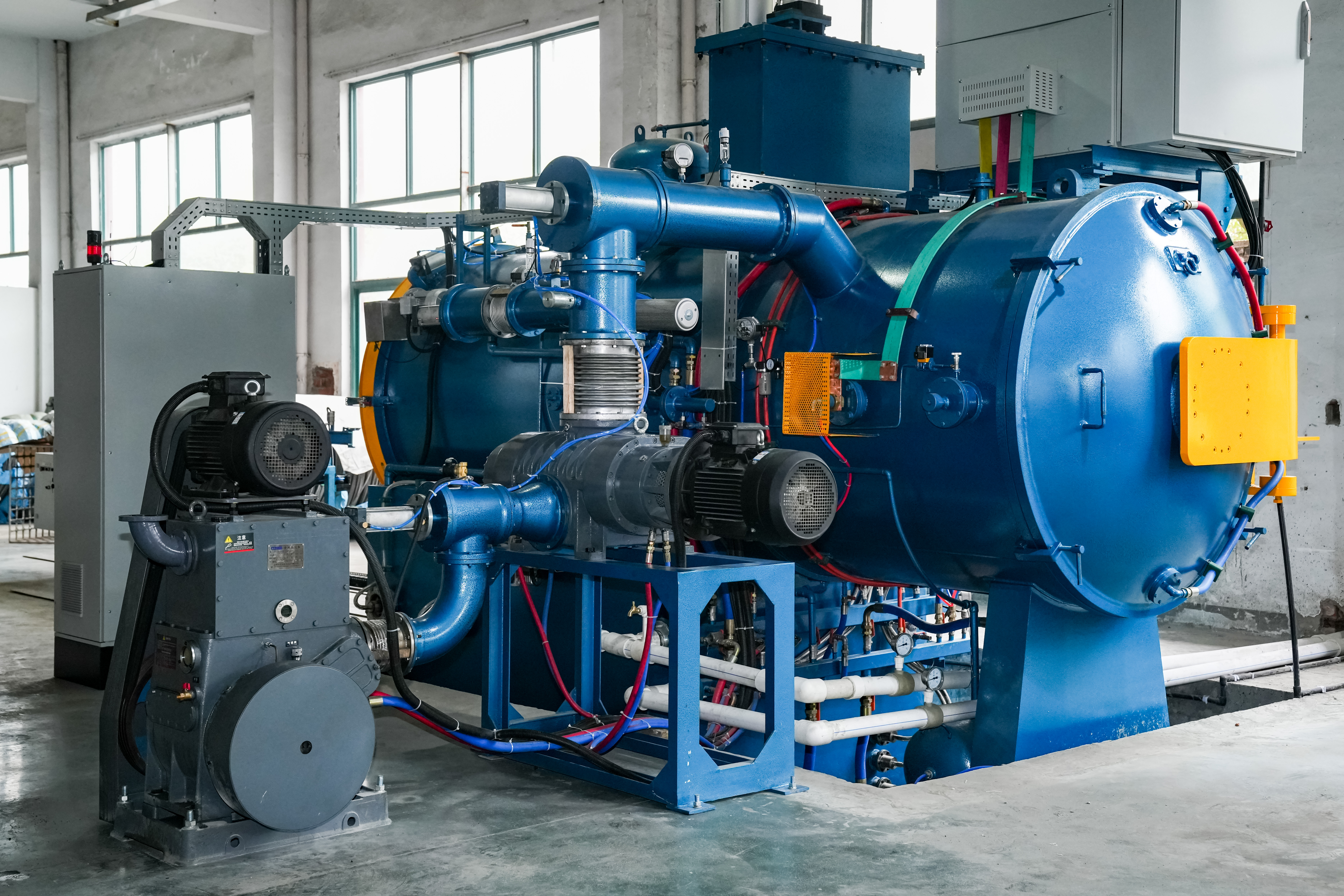
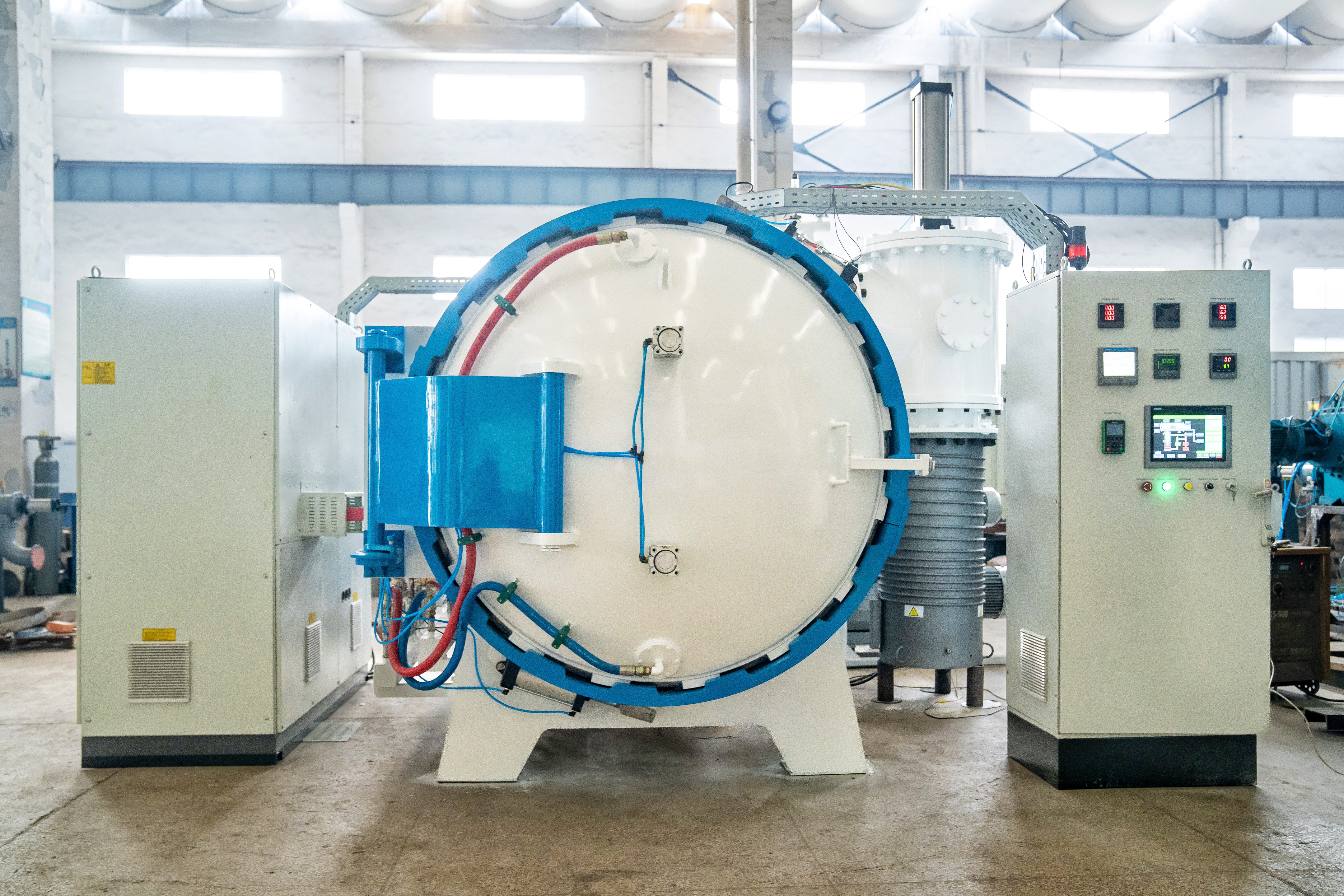
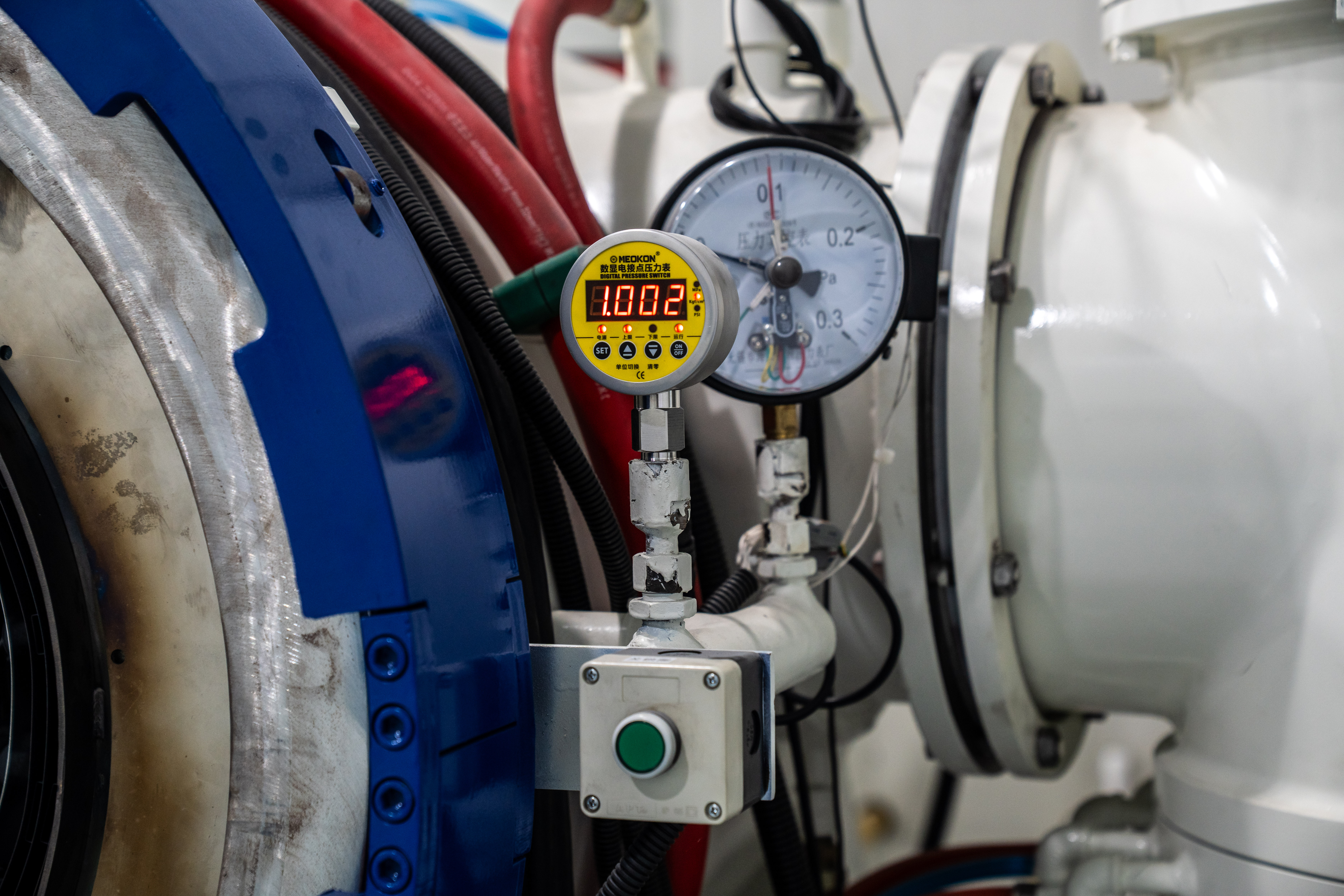
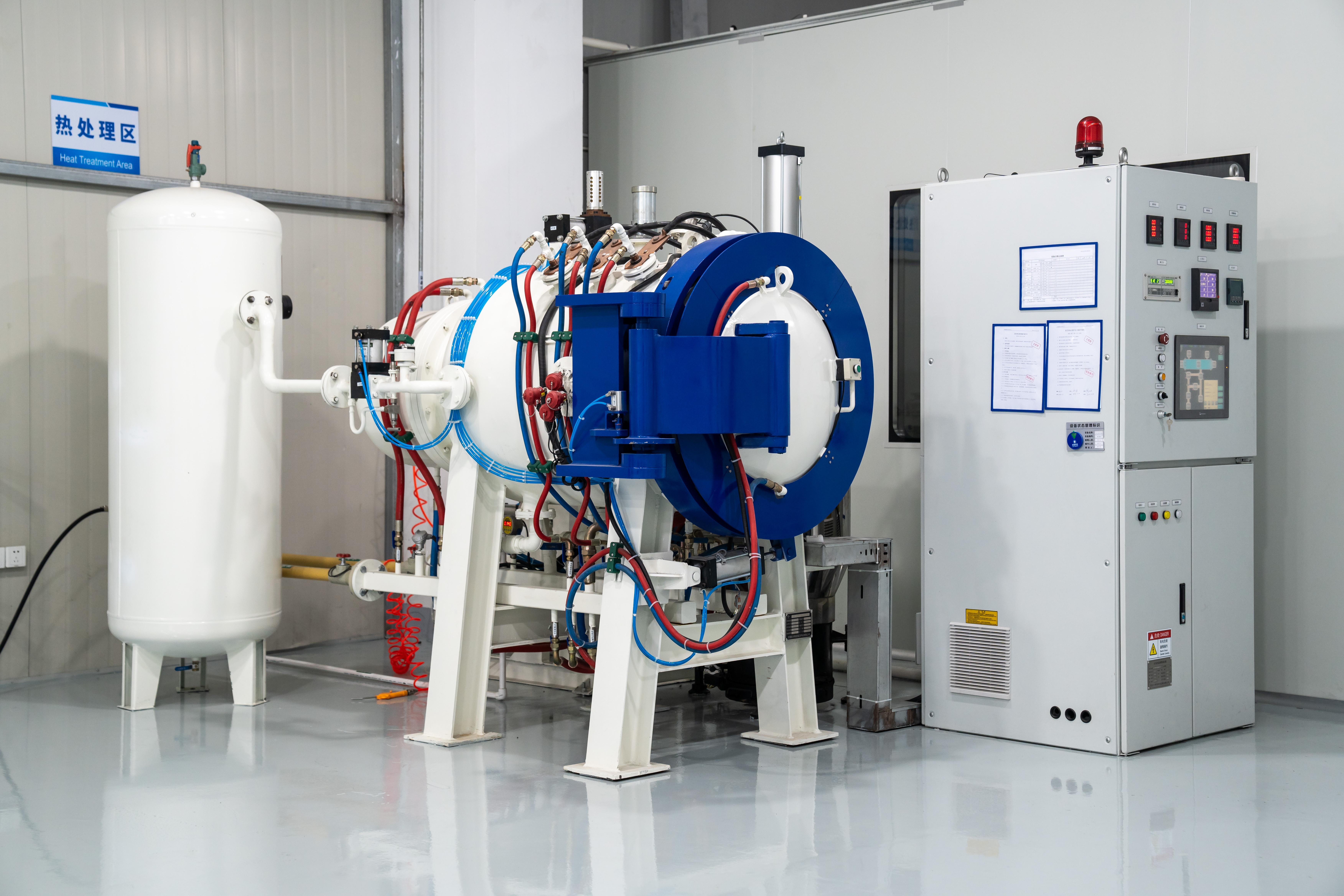
The vacuum furnace heat treatment process represents a sophisticated thermal processing method that transforms material properties under controlled atmospheric conditions. This advanced metallurgical technique operates within sealed chambers where atmospheric pressure remains significantly reduced, creating an oxygen-free environment essential for precise material modification. The vacuum furnace heat treatment process serves multiple critical functions including hardening, tempering, annealing, brazing, and sintering of various metals and alloys. The fundamental principle involves heating materials to specific temperatures while maintaining vacuum conditions, preventing oxidation and contamination that typically occurs in conventional atmospheric furnaces. The technological features of the vacuum furnace heat treatment process include programmable temperature controllers, precise pressure monitoring systems, and uniform heating elements that ensure consistent results. These furnaces incorporate advanced pumping systems that achieve vacuum levels ranging from 10-1 to 10-6 torr, depending on application requirements. The heating mechanisms utilize resistance heating, induction heating, or electron beam heating technologies, each offering distinct advantages for specific materials and geometries. Temperature uniformity within the vacuum furnace heat treatment process typically maintains variations of less than ±5°C across the working zone, ensuring consistent processing results. The applications span across aerospace, automotive, medical device manufacturing, tool and die production, and electronic component fabrication industries. Aerospace components benefit from the vacuum furnace heat treatment process through enhanced fatigue resistance and corrosion protection. Automotive parts achieve improved wear resistance and dimensional stability through this specialized processing method. Medical implants processed using vacuum furnace heat treatment exhibit superior biocompatibility and mechanical properties. The process accommodates various materials including stainless steels, titanium alloys, superalloys, and specialty metals, making it versatile for diverse industrial applications requiring superior material performance characteristics.

 EN
EN