durable vacuum tempering furnace
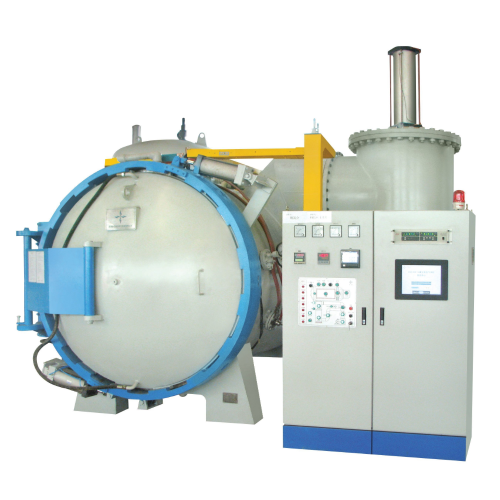
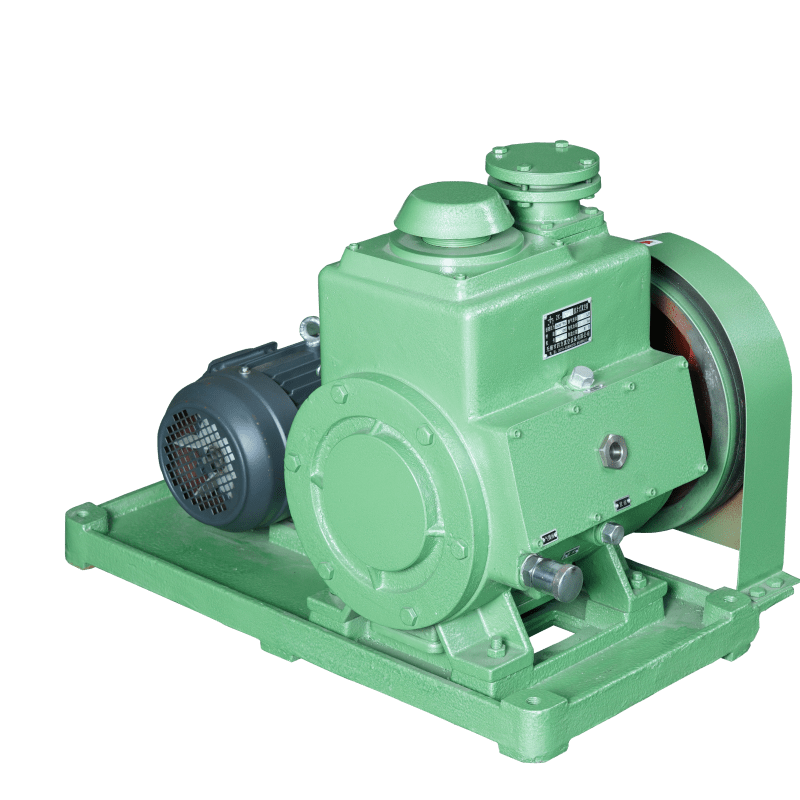
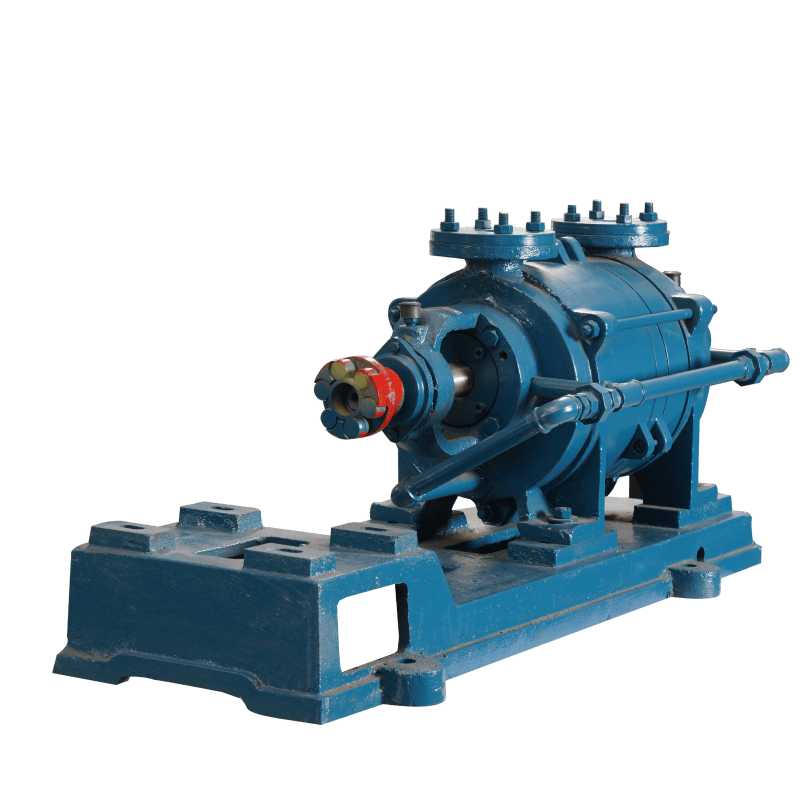
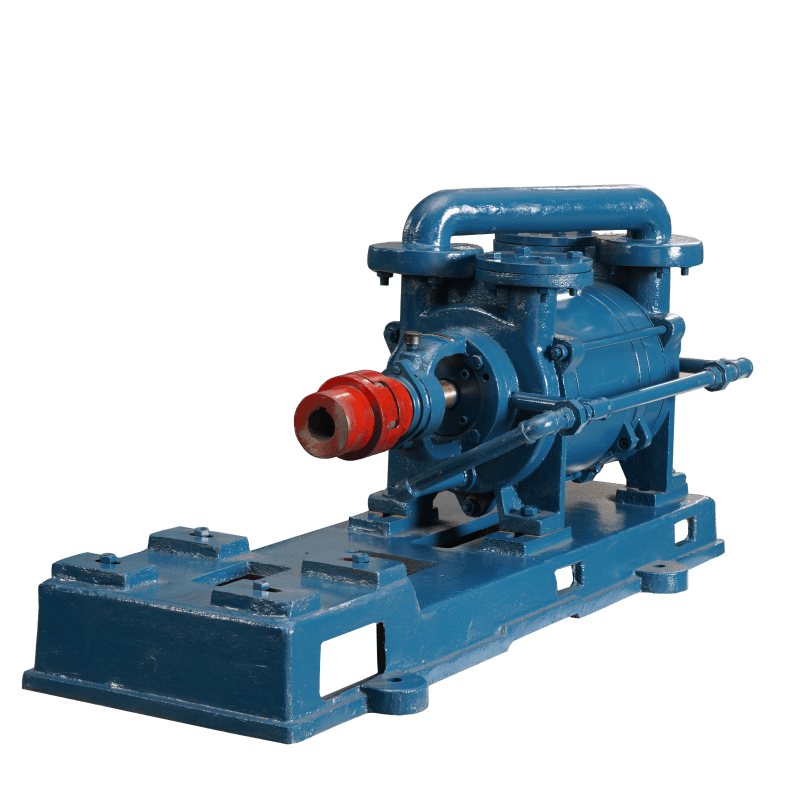
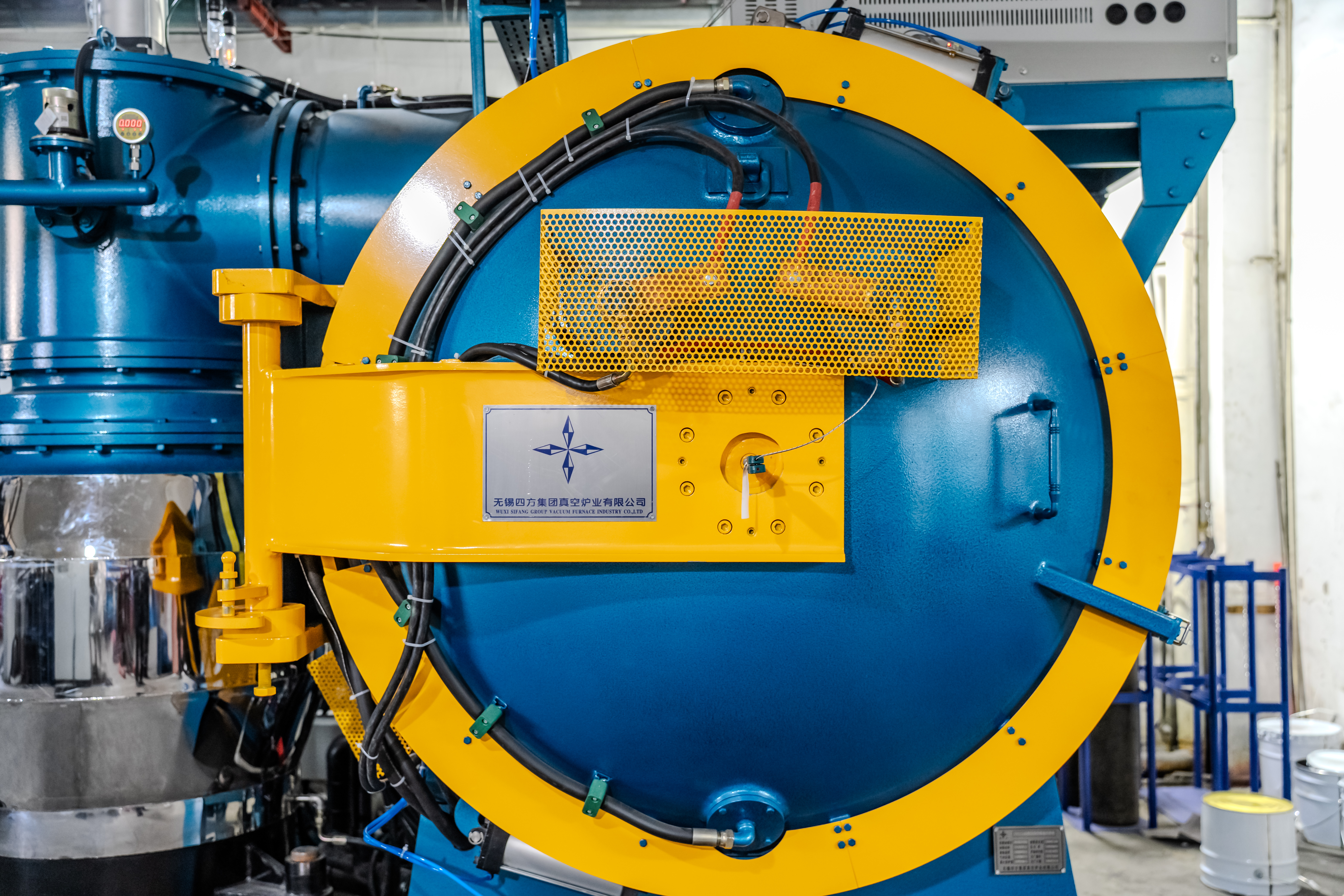
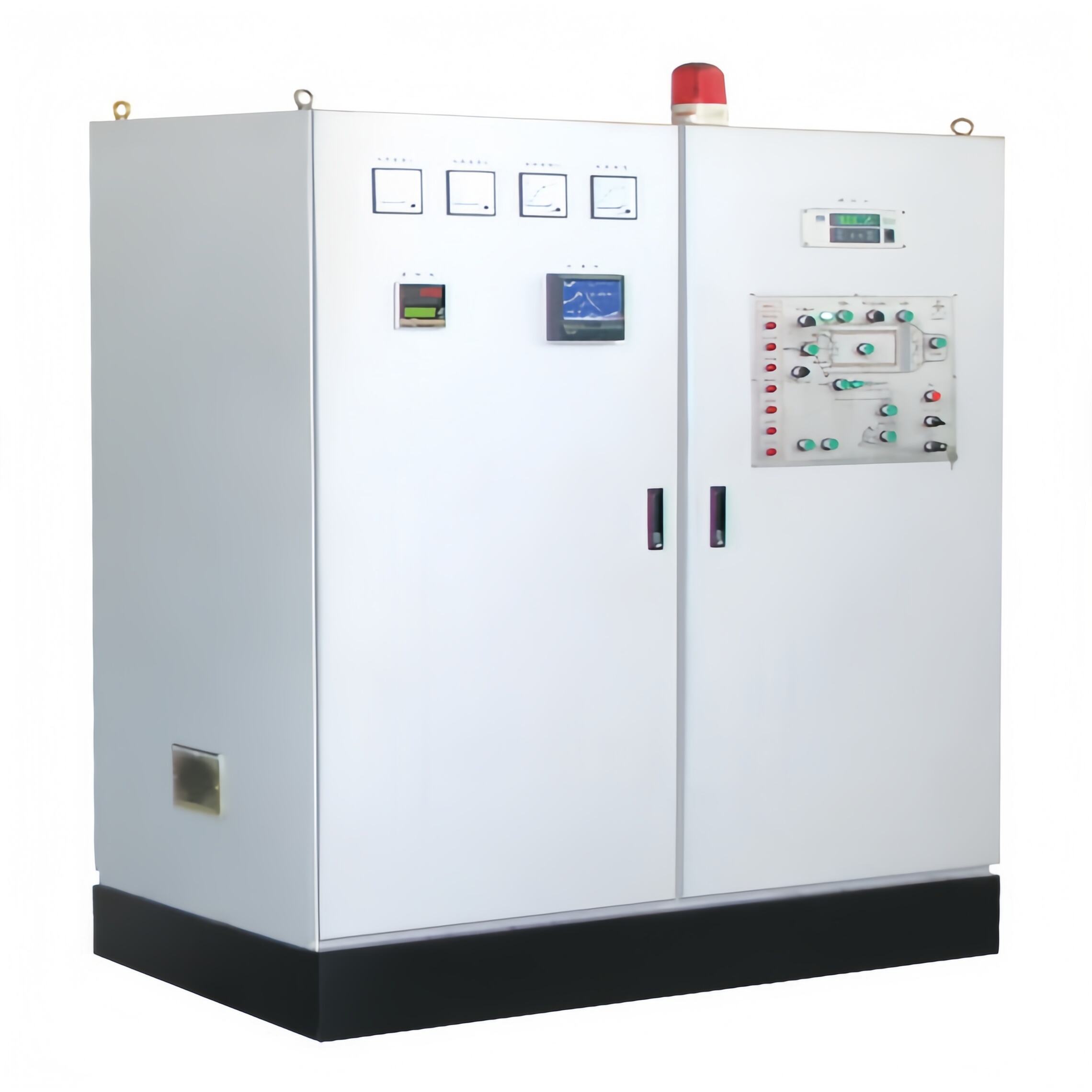
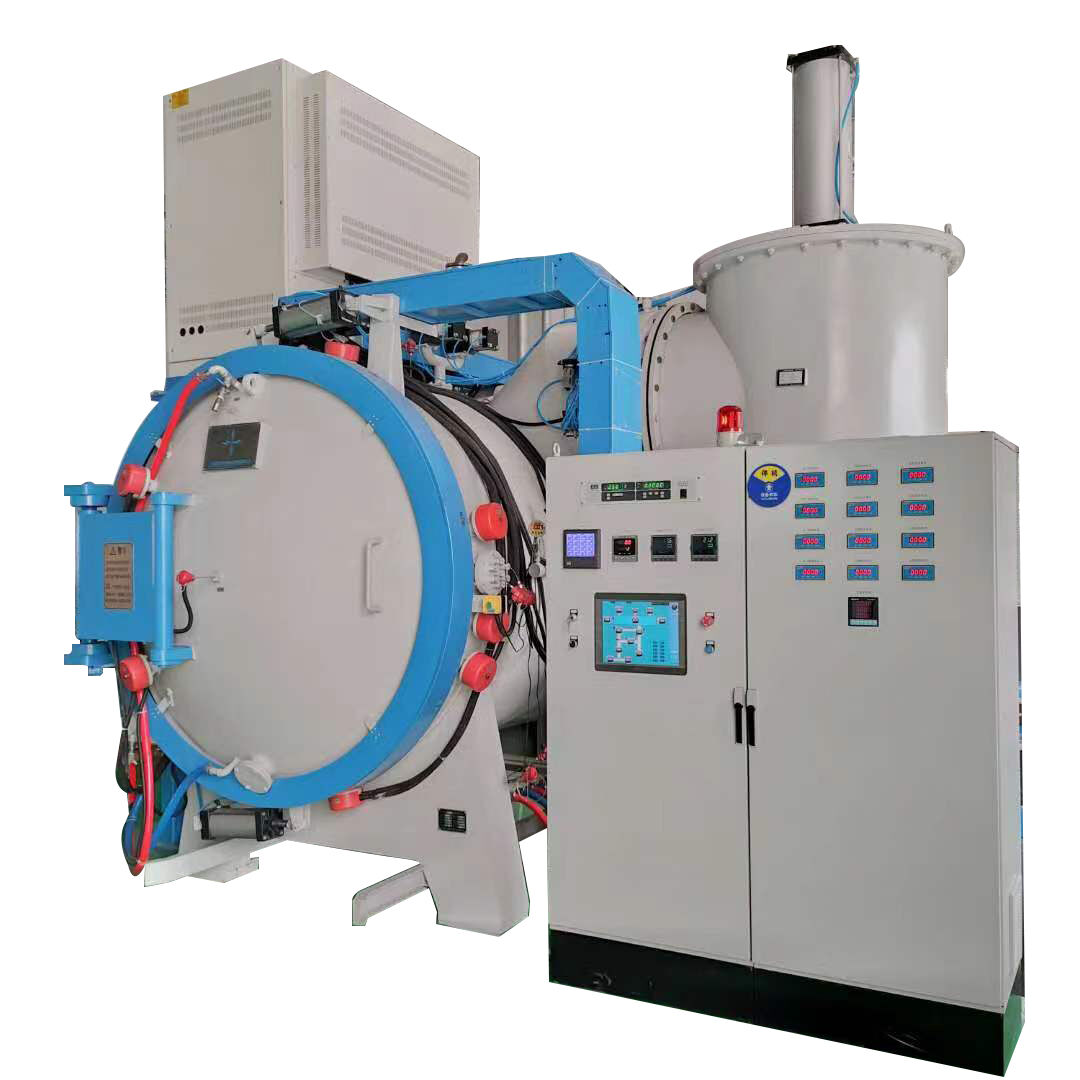
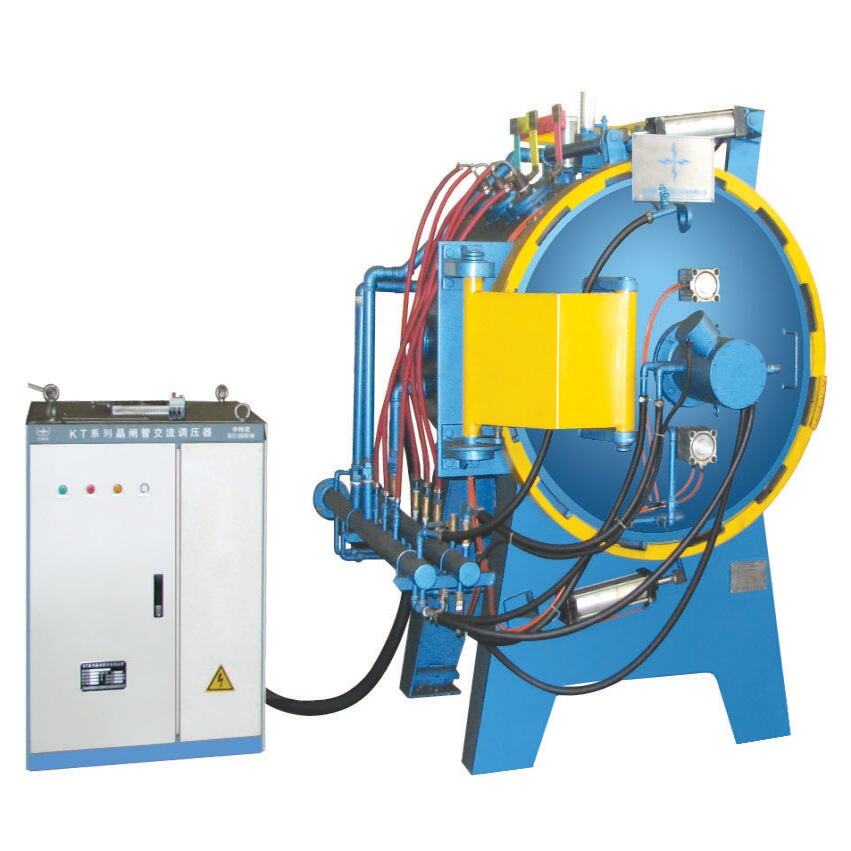
A durable vacuum tempering furnace represents advanced heat treatment technology designed to provide precise temperature control and atmospheric management for critical metalworking applications. This sophisticated equipment operates within a controlled vacuum environment, eliminating atmospheric contamination that can compromise material properties during the tempering process. The primary function centers on heating treated metals to specific temperatures below their critical point, followed by controlled cooling to achieve desired mechanical characteristics such as reduced brittleness and enhanced toughness. Modern durable vacuum tempering furnaces incorporate advanced heating elements, sophisticated temperature monitoring systems, and automated control mechanisms that ensure consistent results across multiple production cycles. The technological features include high-efficiency vacuum pumping systems capable of achieving ultra-low pressure levels, uniform heating zones that eliminate temperature gradients, and programmable logic controllers that manage complex heating and cooling profiles. These furnaces accommodate various workpiece sizes and configurations through adjustable fixture systems and multi-zone heating arrangements. Temperature uniformity typically maintains variations within ±5°C across the working volume, ensuring consistent material properties throughout processed components. Advanced insulation materials and heat recovery systems optimize energy consumption while maintaining operational efficiency. The applications span numerous industries including aerospace, automotive, tool manufacturing, medical device production, and precision engineering. Components such as cutting tools, springs, gears, surgical instruments, and critical aerospace parts benefit from the precise atmospheric control and temperature management capabilities. The durable construction incorporates corrosion-resistant materials and robust mechanical components designed for continuous industrial operation. Safety features include emergency shutdown systems, pressure monitoring, and automated leak detection to protect operators and maintain process integrity throughout extended production runs.

 EN
EN