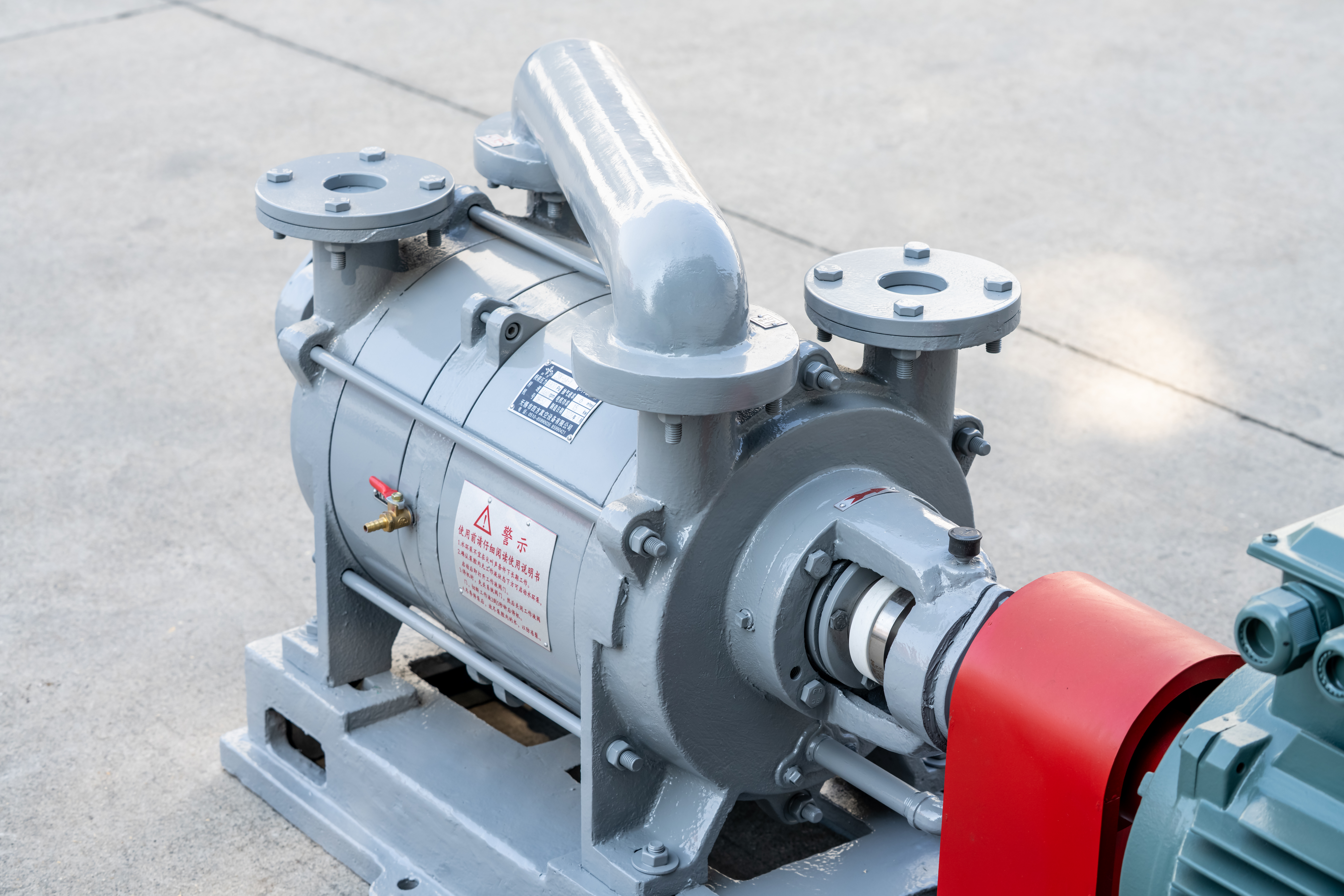
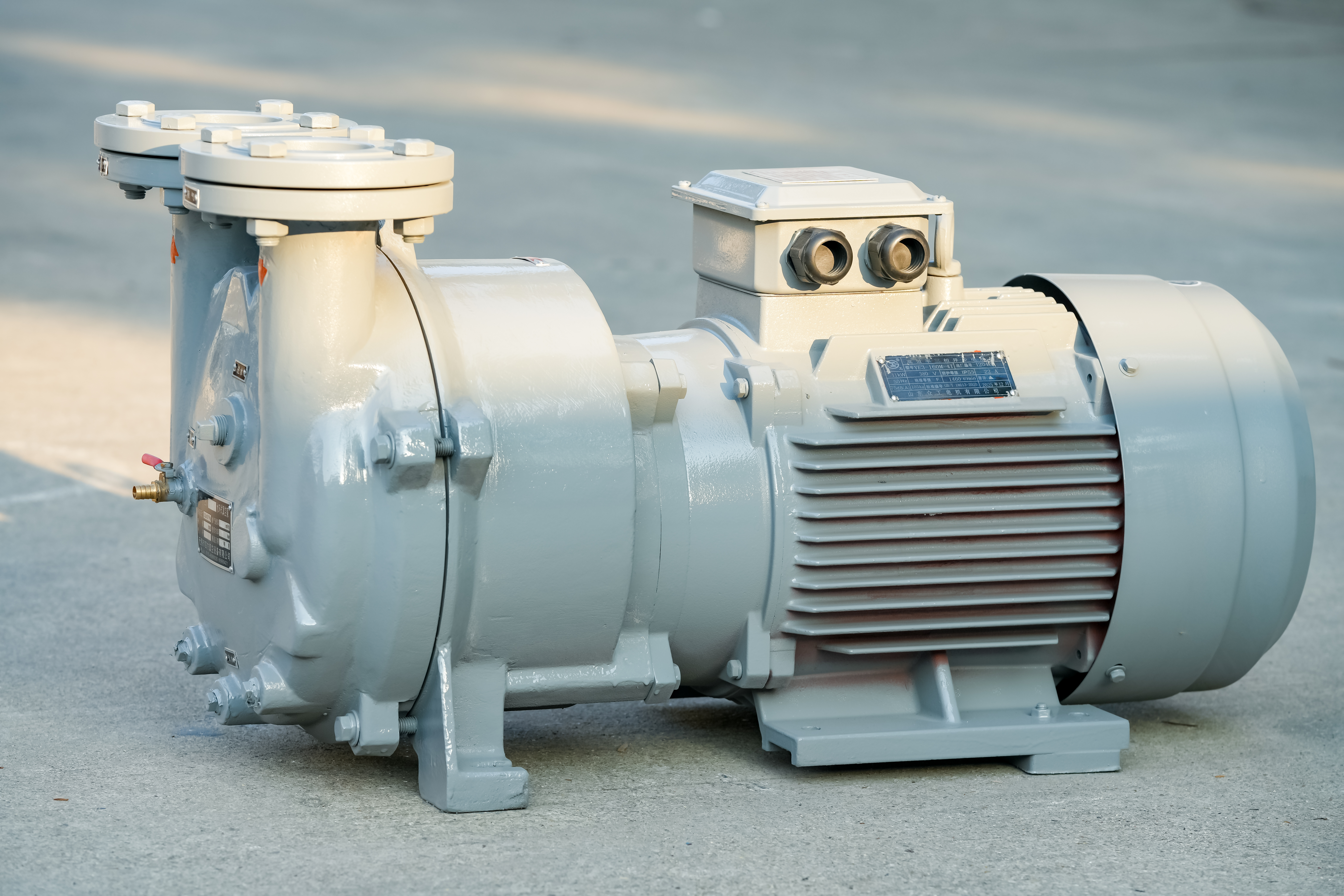
water ring vacuum pump working principle
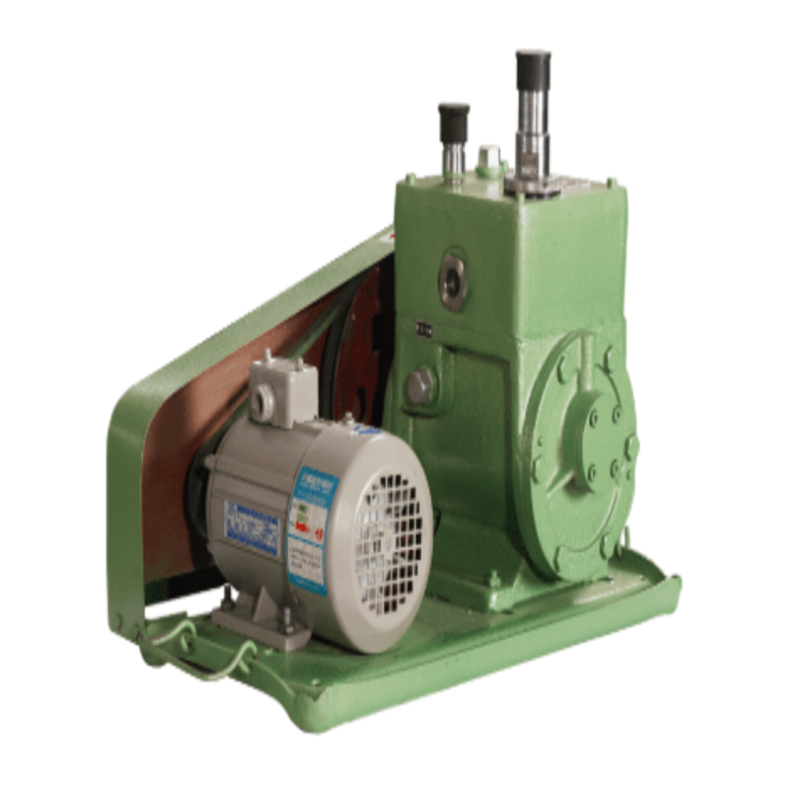
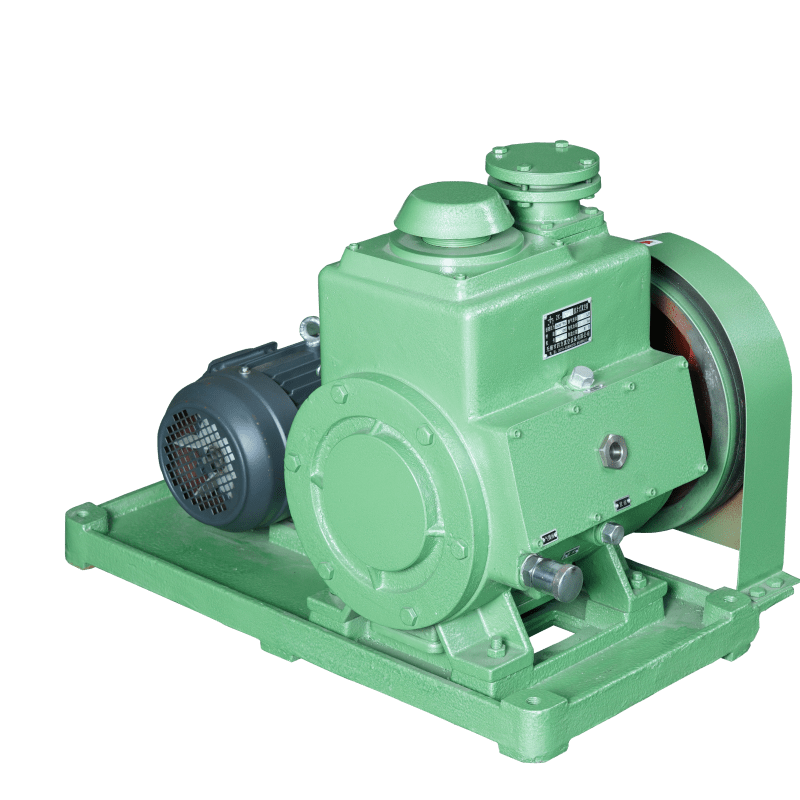
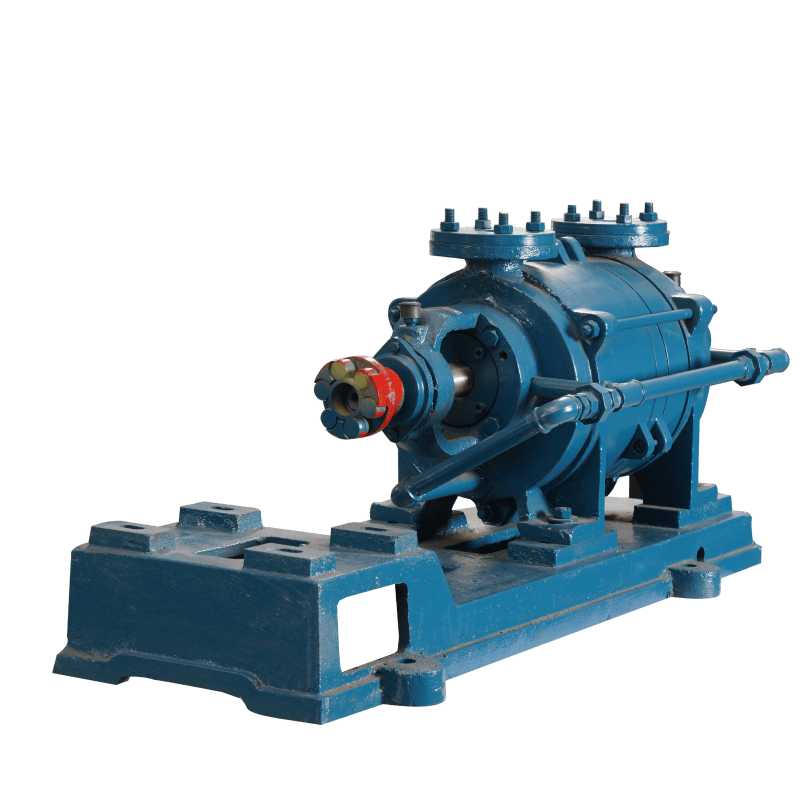
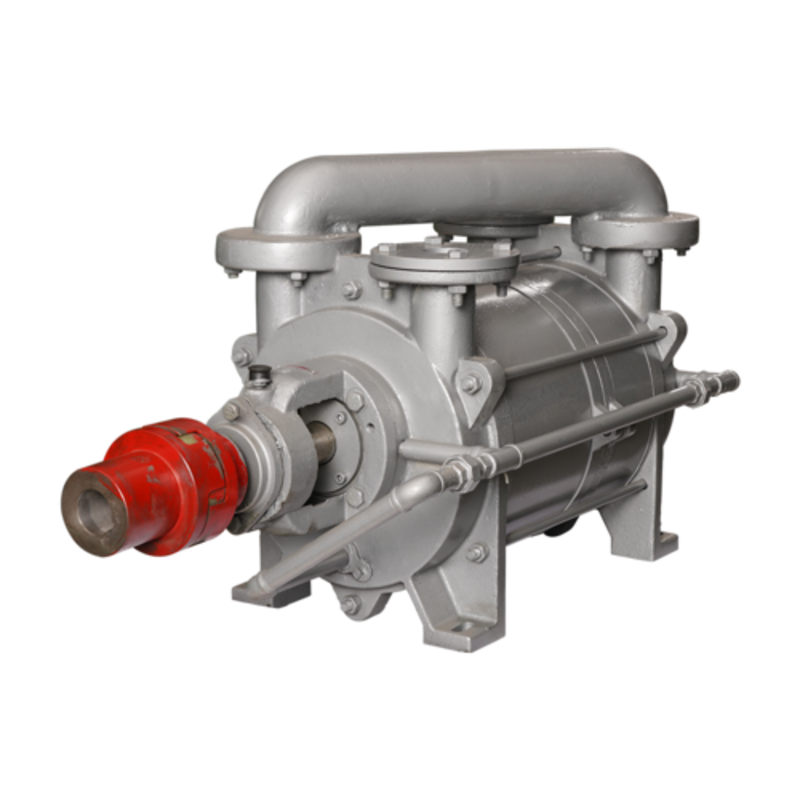
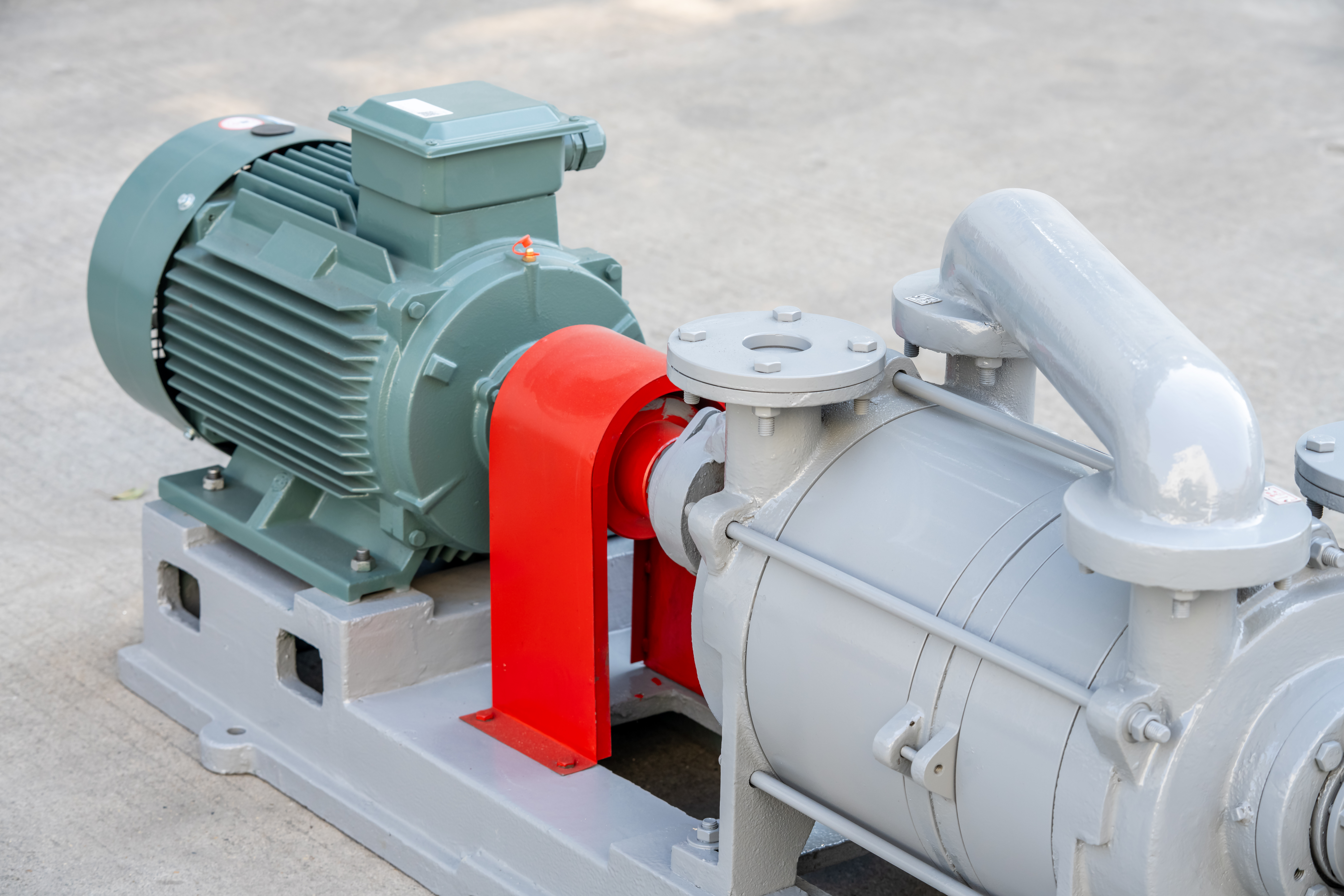
The water ring vacuum pump working principle represents a revolutionary approach to creating vacuum conditions in industrial applications. This innovative technology operates through a unique mechanism where an impeller rotates within a cylindrical casing partially filled with water. As the impeller spins, centrifugal force throws the water outward, forming a liquid ring against the pump casing walls. The water ring vacuum pump working principle creates chambers of varying volumes between the impeller blades and the water ring, enabling the compression and evacuation of gases. During rotation, these chambers alternately expand and contract, drawing in gas through the suction port and expelling it through the discharge port. The water ring vacuum pump working principle ensures continuous operation by maintaining the water seal while simultaneously cooling the compressed gases. This technology offers exceptional reliability due to its simple construction with minimal moving parts. The main functions include gas evacuation, vapor condensation, and pressure regulation across diverse industrial processes. Technological features encompass isothermal compression, which prevents overheating of sensitive gases, and the ability to handle wet vapors without damage. The water ring vacuum pump working principle eliminates the need for oil lubrication, making it environmentally friendly and suitable for applications requiring contamination-free operation. Applications span pharmaceutical manufacturing, chemical processing, food packaging, paper production, and environmental remediation. The pump's ability to handle corrosive gases when constructed with appropriate materials makes it invaluable in harsh industrial environments. Additionally, the water ring vacuum pump working principle provides consistent performance across varying atmospheric conditions, ensuring reliable vacuum generation regardless of ambient temperature fluctuations or seasonal changes.

 EN
EN