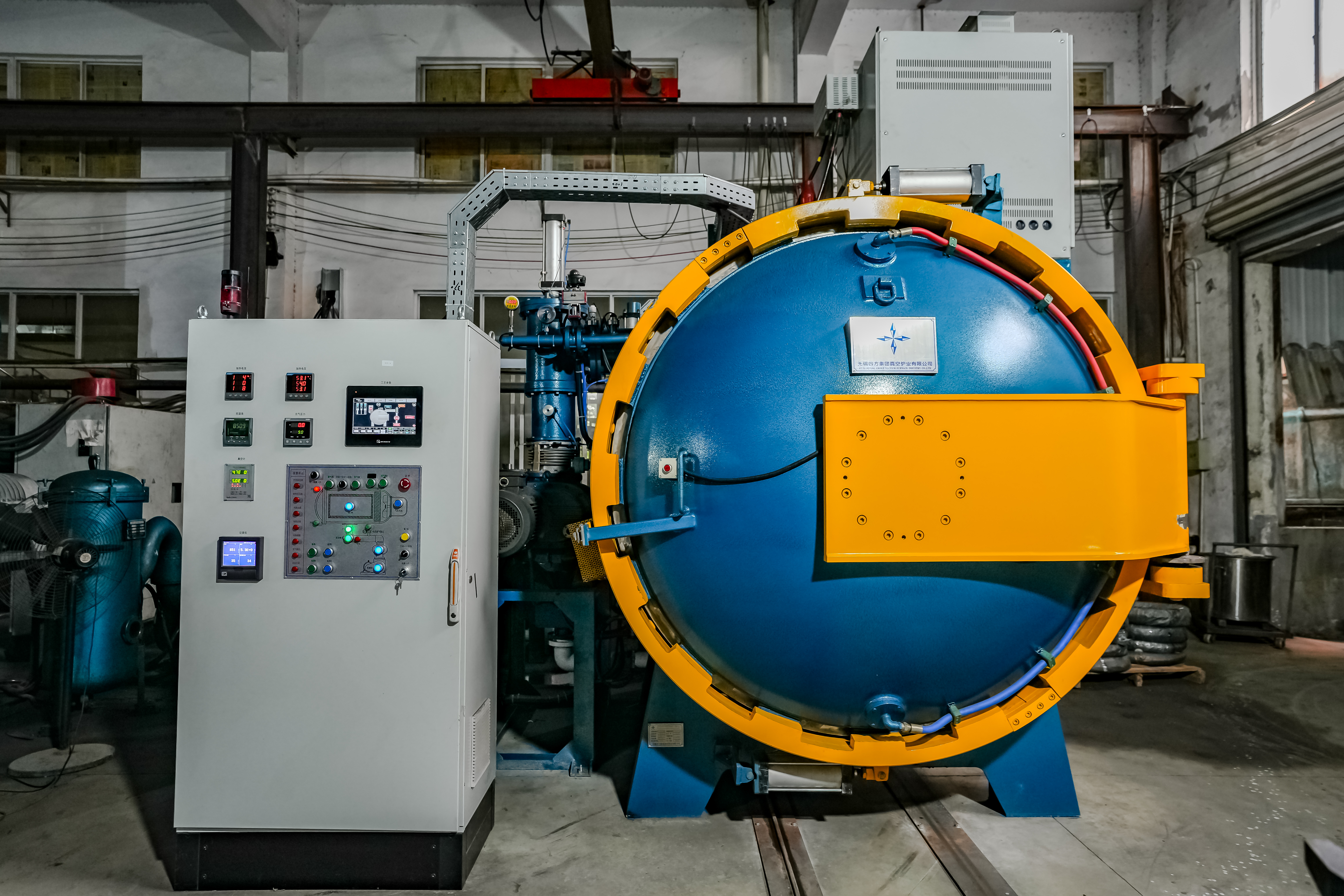
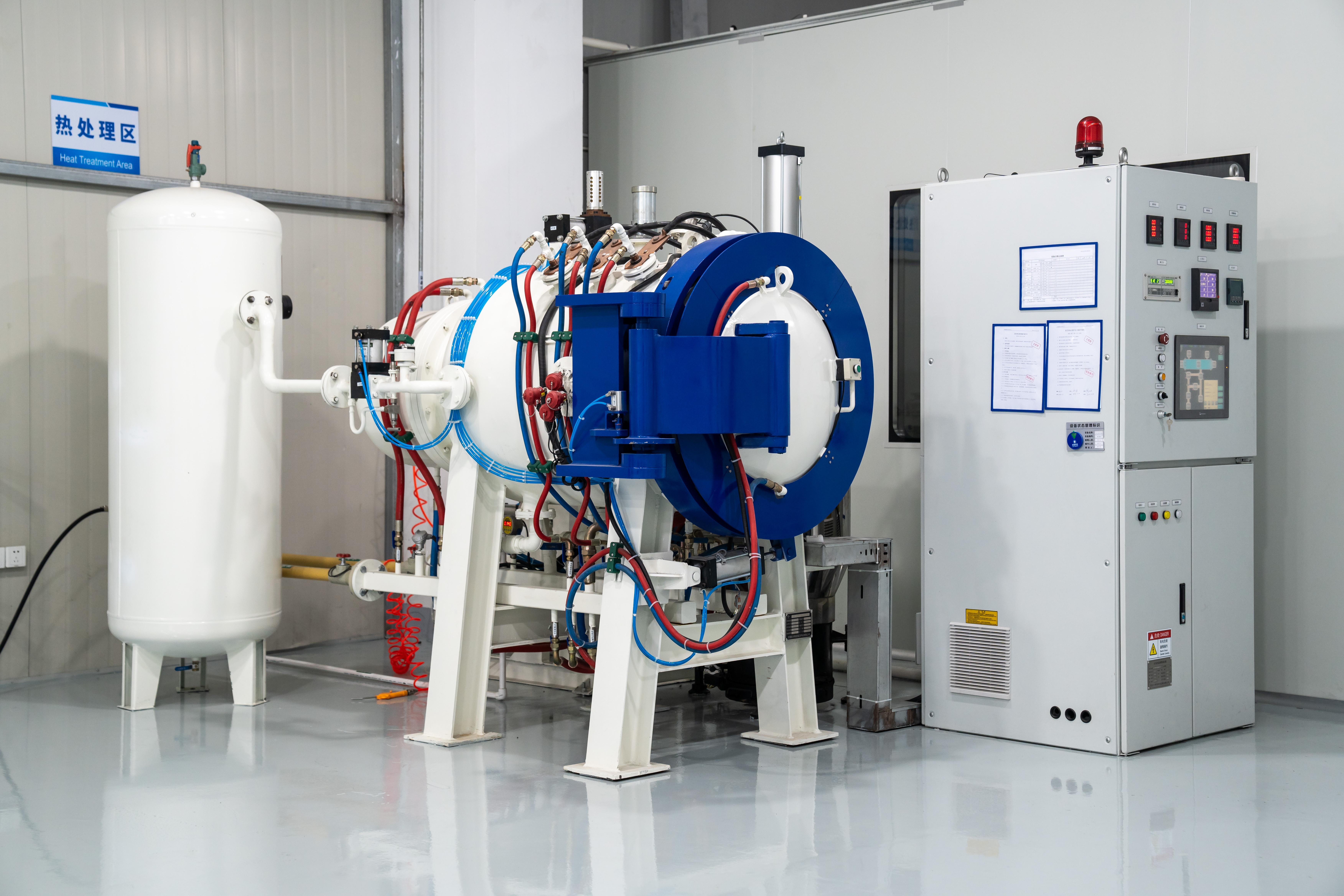
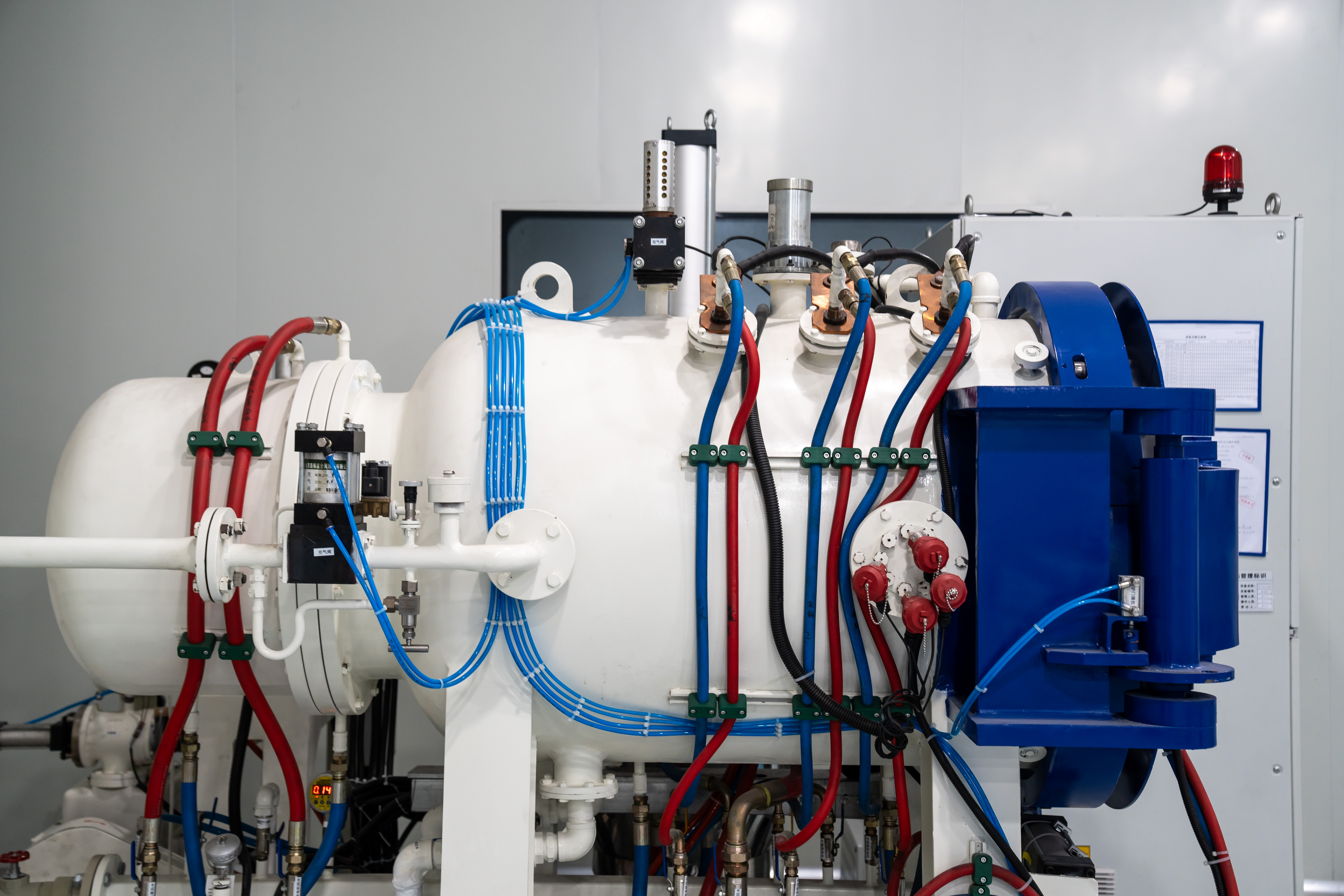
industrial vacuum heat treatment furnace
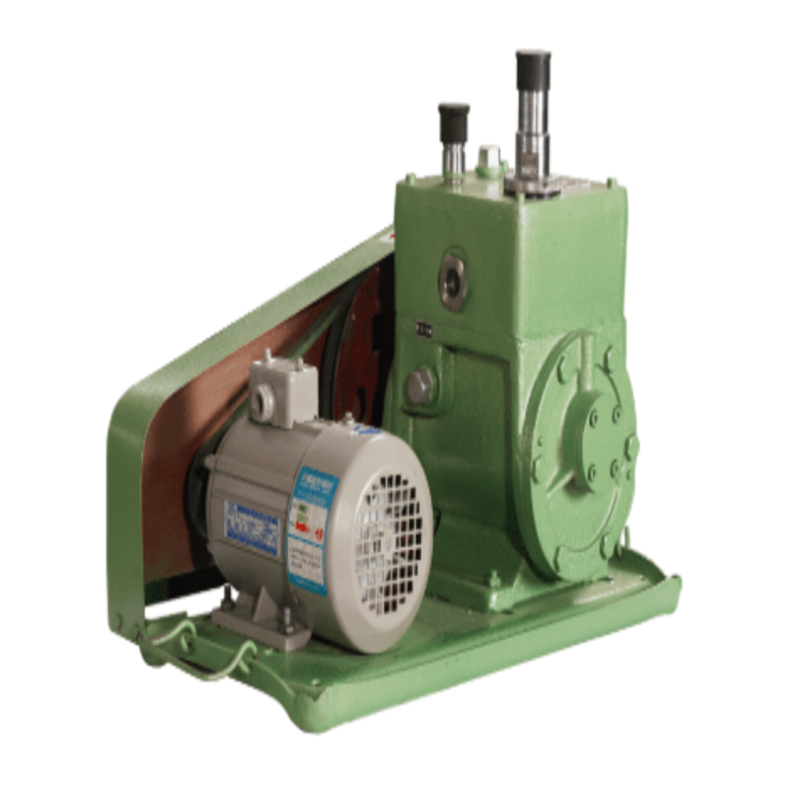
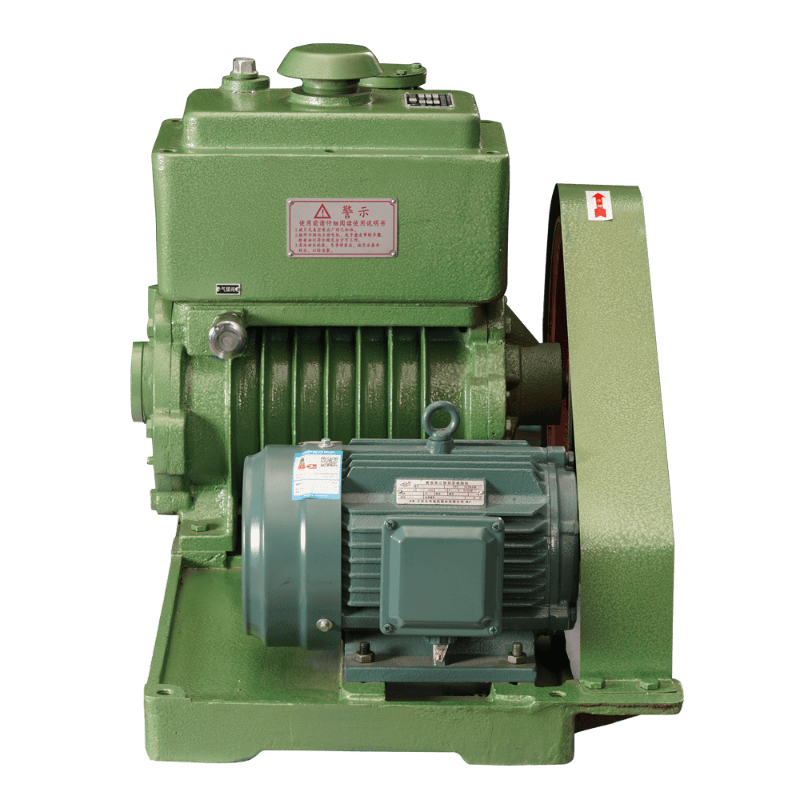
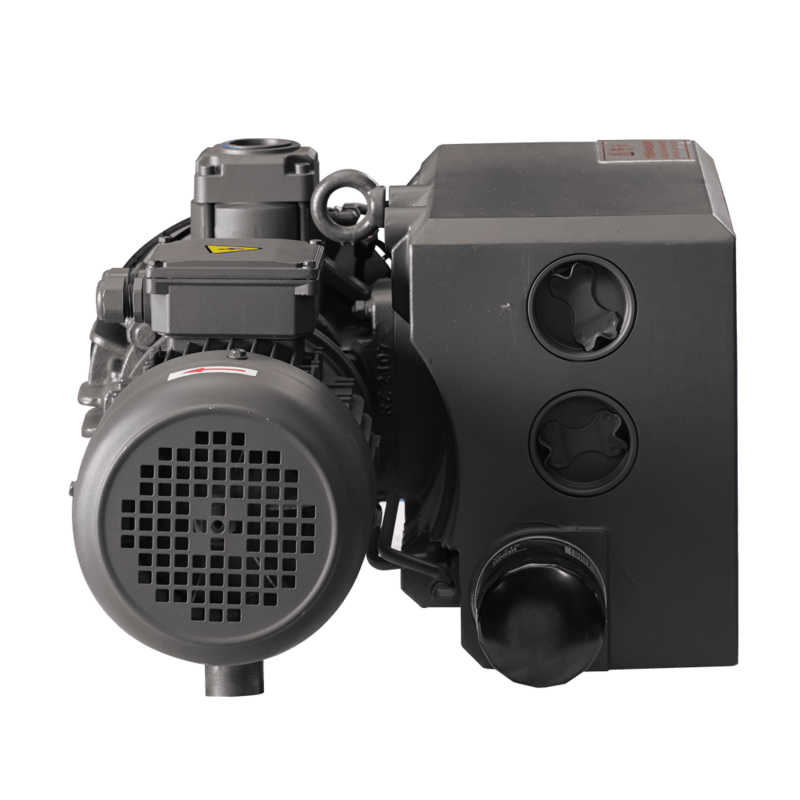
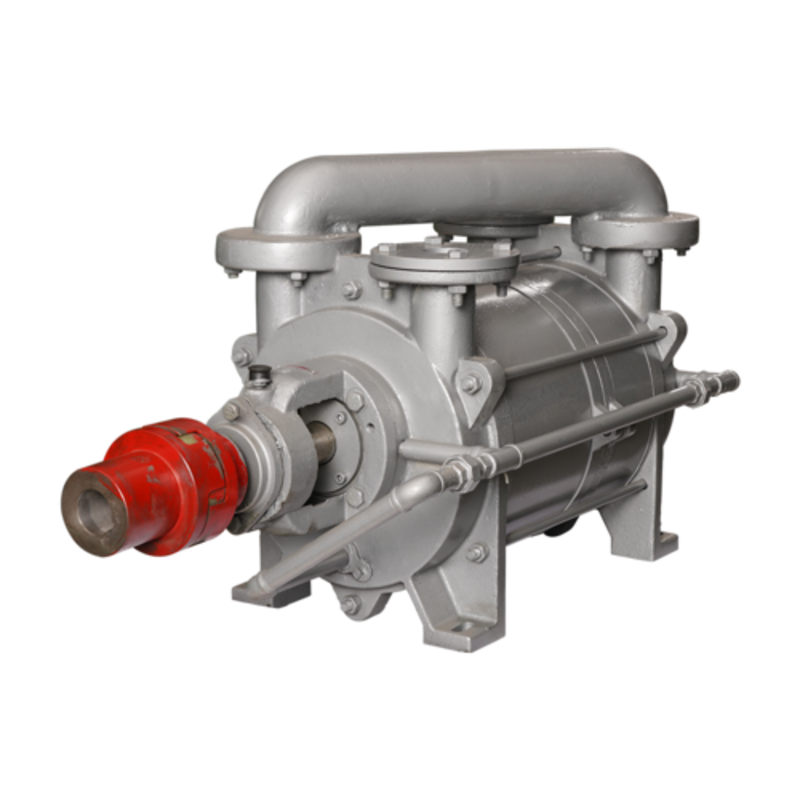
An industrial vacuum heat treatment furnace represents a sophisticated thermal processing system that operates within a controlled vacuum environment to achieve precise metallurgical transformations. This advanced equipment removes atmospheric gases during the heating process, creating an oxygen-free environment that prevents oxidation and contamination of treated materials. The primary functions of an industrial vacuum heat treatment furnace include annealing, hardening, tempering, stress relieving, and brazing of various metal components and alloys. These furnaces utilize specialized vacuum pumping systems, typically achieving pressures ranging from 10^-2 to 10^-5 torr, ensuring optimal processing conditions. The technological features encompass advanced temperature control systems with programmable logic controllers, uniform heating elements distributed throughout the chamber, and sophisticated cooling mechanisms including gas quenching capabilities. Modern industrial vacuum heat treatment furnace systems integrate computerized monitoring and data logging functions, enabling precise process documentation and quality assurance. The heating elements, often constructed from molybdenum or graphite, provide exceptional temperature uniformity across the entire work zone. Applications span across aerospace, automotive, tool manufacturing, medical device production, and precision engineering sectors. These furnaces effectively process high-speed steels, stainless steels, titanium alloys, and superalloys used in critical applications. The vacuum environment eliminates decarburization, surface oxidation, and unwanted chemical reactions that commonly occur in conventional atmosphere furnaces. Batch processing capabilities accommodate various component sizes and shapes, while continuous monitoring ensures consistent results. The industrial vacuum heat treatment furnace technology enables manufacturers to achieve superior metallurgical properties, enhanced surface quality, and improved dimensional stability in their products, making it an indispensable tool for modern manufacturing processes requiring precise thermal treatment protocols.

 EN
EN