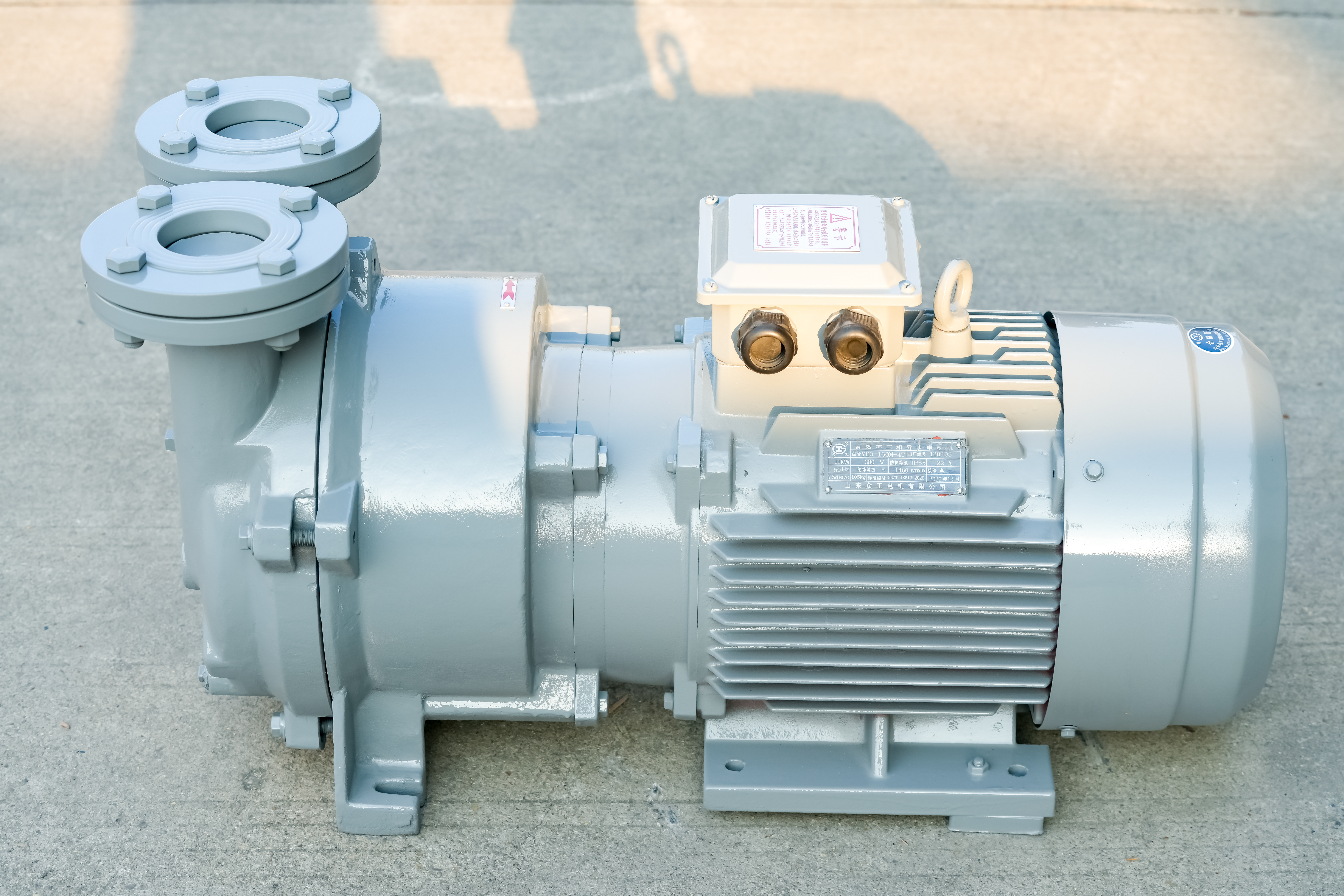
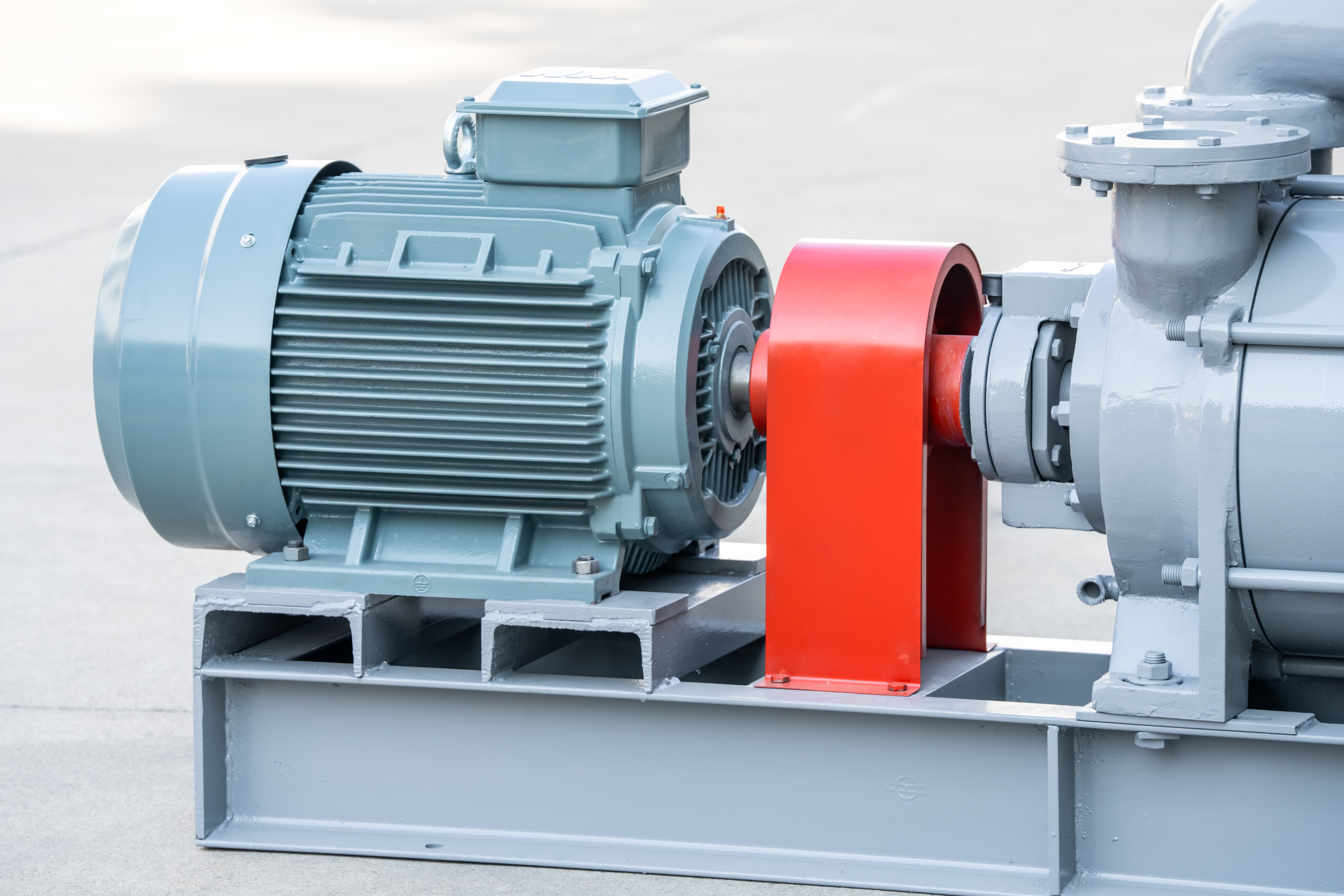
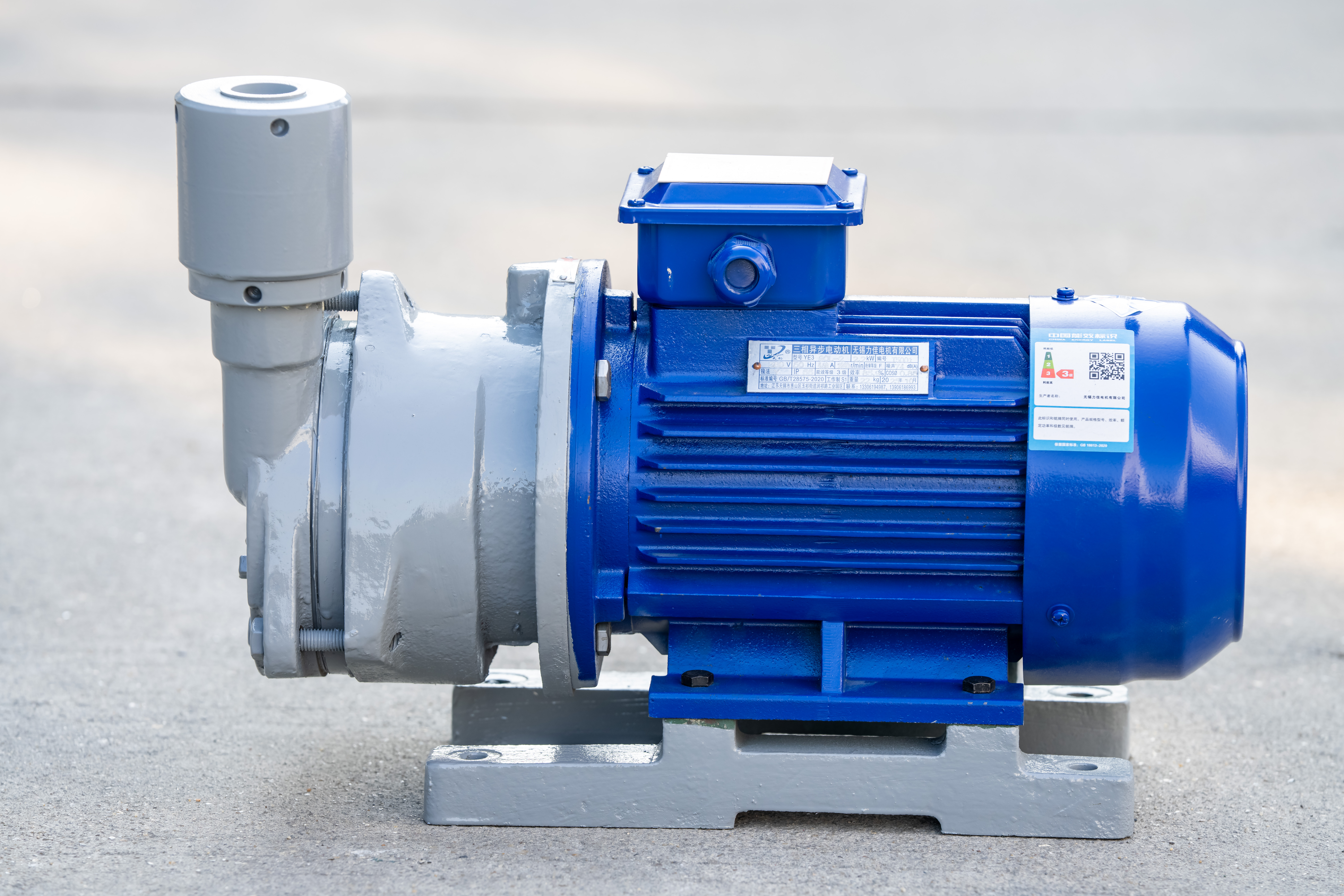
small liquid ring vacuum pump
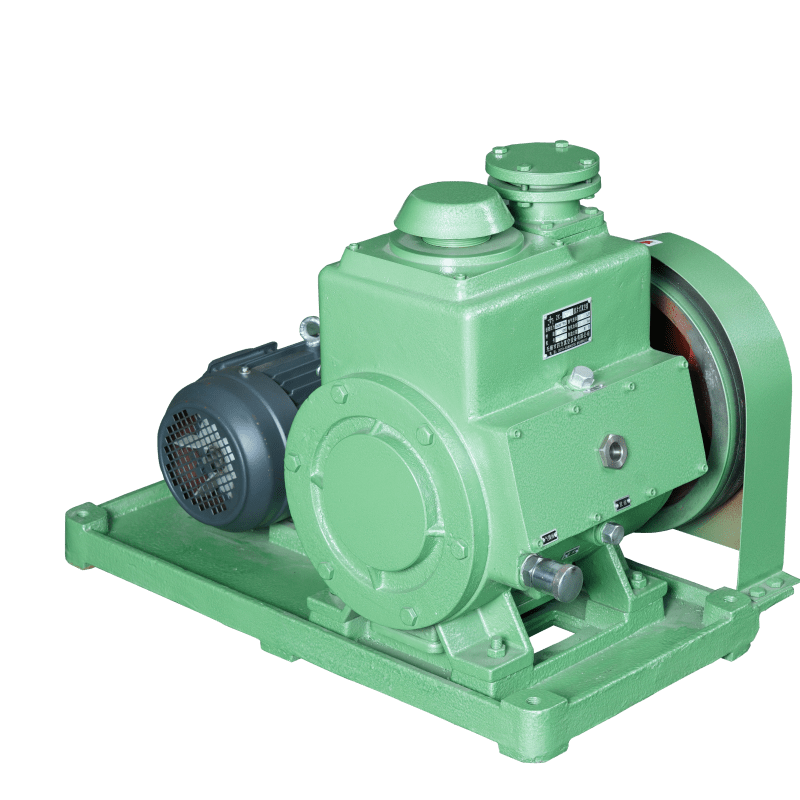
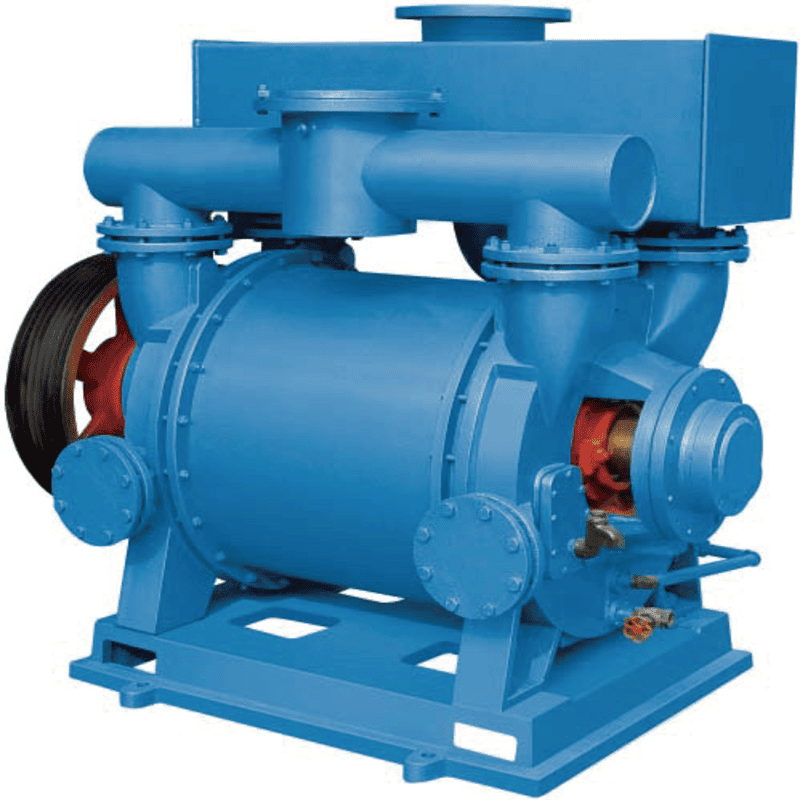
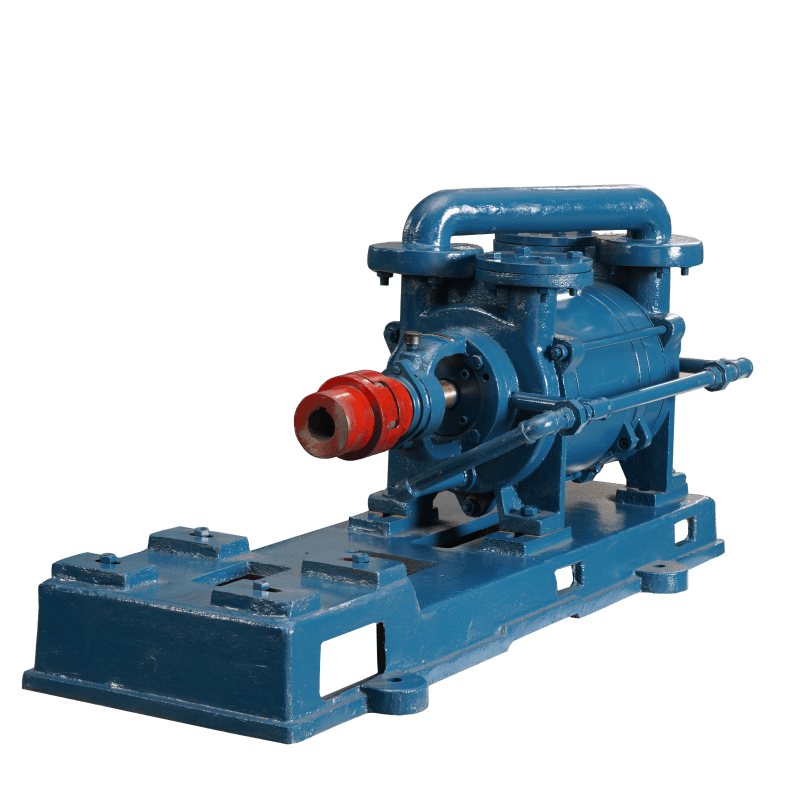
A small liquid ring vacuum pump represents an innovative solution for creating vacuum conditions in compact industrial and commercial applications. This specialized equipment operates on the principle of using a liquid, typically water, to form a rotating ring within the pump chamber that creates the necessary vacuum effect. The small liquid ring vacuum pump utilizes centrifugal force generated by an impeller to maintain the liquid ring position, effectively sealing the compression chambers and enabling consistent vacuum generation. The fundamental design incorporates a cylindrical casing with an eccentrically mounted impeller that rotates to create the liquid ring formation. As the impeller spins, the liquid is thrown outward by centrifugal force, creating a series of sealed chambers between the impeller blades and the liquid ring surface. The main functions of a small liquid ring vacuum pump include extracting air and gases from sealed systems, maintaining specific pressure levels in processing equipment, and providing reliable vacuum conditions for various industrial processes. These pumps excel in handling wet gases, vapors, and even small amounts of liquid carryover without damage to internal components. The technological features distinguish the small liquid ring vacuum pump from other vacuum technologies through its robust construction and simplified operation. Unlike dry vacuum pumps, these units can handle condensable vapors and moisture without requiring expensive filtration systems or frequent maintenance interventions. The liquid ring serves as both the sealing medium and cooling agent, preventing overheating during extended operation periods. Modern small liquid ring vacuum pump designs incorporate advanced materials and precision manufacturing techniques to optimize performance while minimizing energy consumption. The compact footprint makes these pumps ideal for installations where space constraints limit equipment selection options, while maintaining the reliability and performance characteristics expected from larger vacuum systems.

 EN
EN